






More than just an ordinary headache, migraine is a neurological condition that can disrupt everyday life, affect concentration and make even simple activities difficult. Understanding its causes, warning signs and treatment options can help people take better care of their health and reduce the frequency of painful attacks.
A headache can make it difficult to concentrate, work or enjoy everyday activities, but a migraine can be far more overwhelming. For millions of people around the world, migraine attacks bring intense head pain, nausea, sensitivity to light and sound, and sometimes visual disturbances that can last for hours or even several days.
Despite being a common health condition, migraine is frequently misunderstood. Many people mistake it for an ordinary headache and attempt to manage the pain without understanding what is happening inside their bodies. However, migraine is a neurological disorder that requires proper attention, lifestyle management and, in some cases, medical treatment.
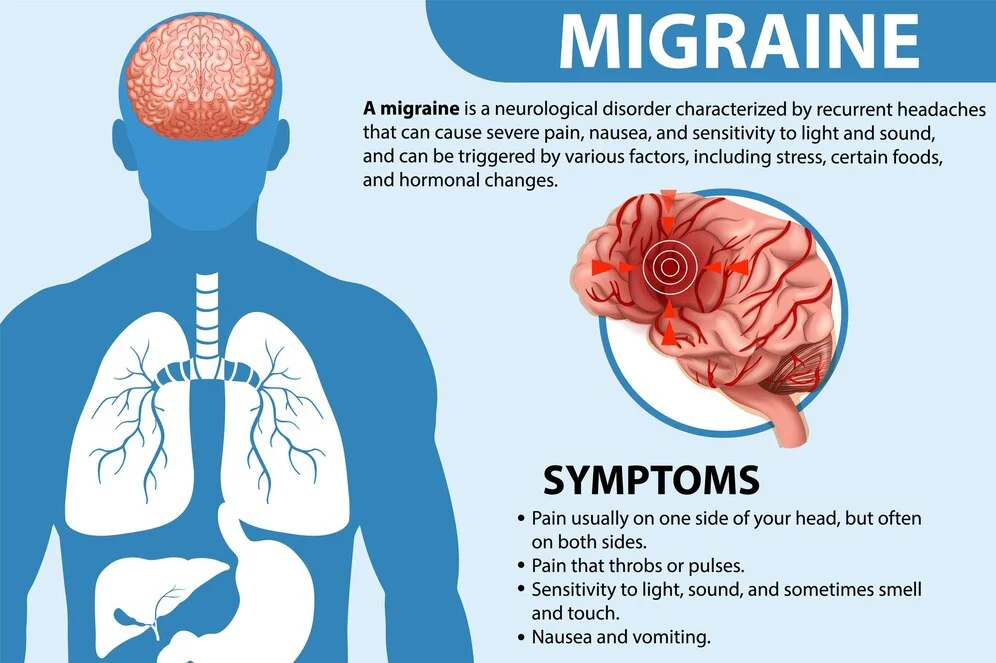
Migraine is a condition that causes recurring attacks of moderate to severe headache. The pain is often described as throbbing or pulsating and frequently affects one side of the head, although it can occur on both sides. Unlike a typical tension headache, migraine pain may become worse during everyday physical activities such as walking, climbing stairs or bending down.
A migraine attack can last between four hours and 72 hours. Some people experience attacks occasionally, while others suffer several times a month. The severity and frequency can vary considerably from person to person.
One of the most important things to understand about migraine is that it does not always begin with head pain. Some people experience warning signs hours or even days before an attack. These may include unusual tiredness, frequent yawning, mood changes, food cravings, thirst and neck stiffness.
Others experience a condition known as migraine with aura. This can involve flashing lights, zigzag patterns, blind spots, tingling sensations or temporary difficulties with speech. These symptoms usually develop gradually and can last up to an hour.
During an attack, people may experience throbbing head pain, nausea, vomiting, dizziness, sensitivity to bright lights, loud sounds and strong smells. Concentrating on work, using a computer or even having a normal conversation may become difficult.
Several factors can trigger migraine attacks. Stress, irregular sleeping patterns, dehydration, skipping meals, hormonal changes, bright sunlight, excessive screen exposure and certain foods can all contribute. Weather changes and strong smells may also trigger symptoms in some individuals.
Identifying personal triggers is one of the most useful ways to manage migraine. Keeping a headache diary can help people recognise patterns by recording their meals, sleeping habits, stress levels, activities and headache episodes.
Taking care of yourself during a migraine attack is equally important. Resting in a dark and quiet room can help reduce sensitivity to light and sound. Drinking water regularly, applying a cold compress to the forehead and avoiding excessive screen exposure may also provide relief. Gentle breathing exercises and relaxation techniques can help when stress contributes to symptoms.
Diet and hydration also play an important role in overall migraine management. Drinking sufficient water throughout the day and eating balanced meals at regular times can help prevent dehydration and hunger-related headaches. Fruits such as bananas, watermelon, oranges and berries, along with vegetables, whole grains, eggs, fish and nuts, can form part of a healthy diet.
Caffeine requires particular attention. Small amounts may help some people during an early migraine attack, but excessive consumption or suddenly stopping regular caffeine intake can trigger headaches.
Regular lifestyle habits may help reduce the frequency of attacks. Maintaining consistent sleeping hours, exercising moderately, managing stress, avoiding skipped meals and taking breaks from screens can make a meaningful difference over time.
Although home-care measures can provide comfort, people experiencing frequent or severe migraine attacks may need medical treatment. Doctors may recommend pain-relieving medicines or specific migraine treatments, depending on the individual’s symptoms and medical history. Preventive medication may also be considered for people who experience frequent attacks.
However, painkillers should not be taken too frequently, as overuse can actually cause additional headaches and make migraine more difficult to manage.
It is also important to recognise when a headache requires urgent medical attention. A sudden, extremely severe headache, new weakness, difficulty speaking, confusion, seizures, loss of vision or fever accompanied by a stiff neck should never be ignored. These symptoms may indicate a serious medical emergency rather than an ordinary migraine.
Living with migraine can be physically and emotionally exhausting, particularly when repeated attacks interfere with work, family responsibilities and social activities. Nevertheless, migraine is a manageable condition, and people do not have to accept recurring pain as an unavoidable part of everyday life.
Understanding the symptoms, recognising personal triggers, maintaining healthy routines and seeking appropriate medical care can help people regain control of their health. Sometimes, small changes in daily habits can become an important first step towards fewer attacks, better comfort and a healthier life.








+ There are no comments
Add yours