







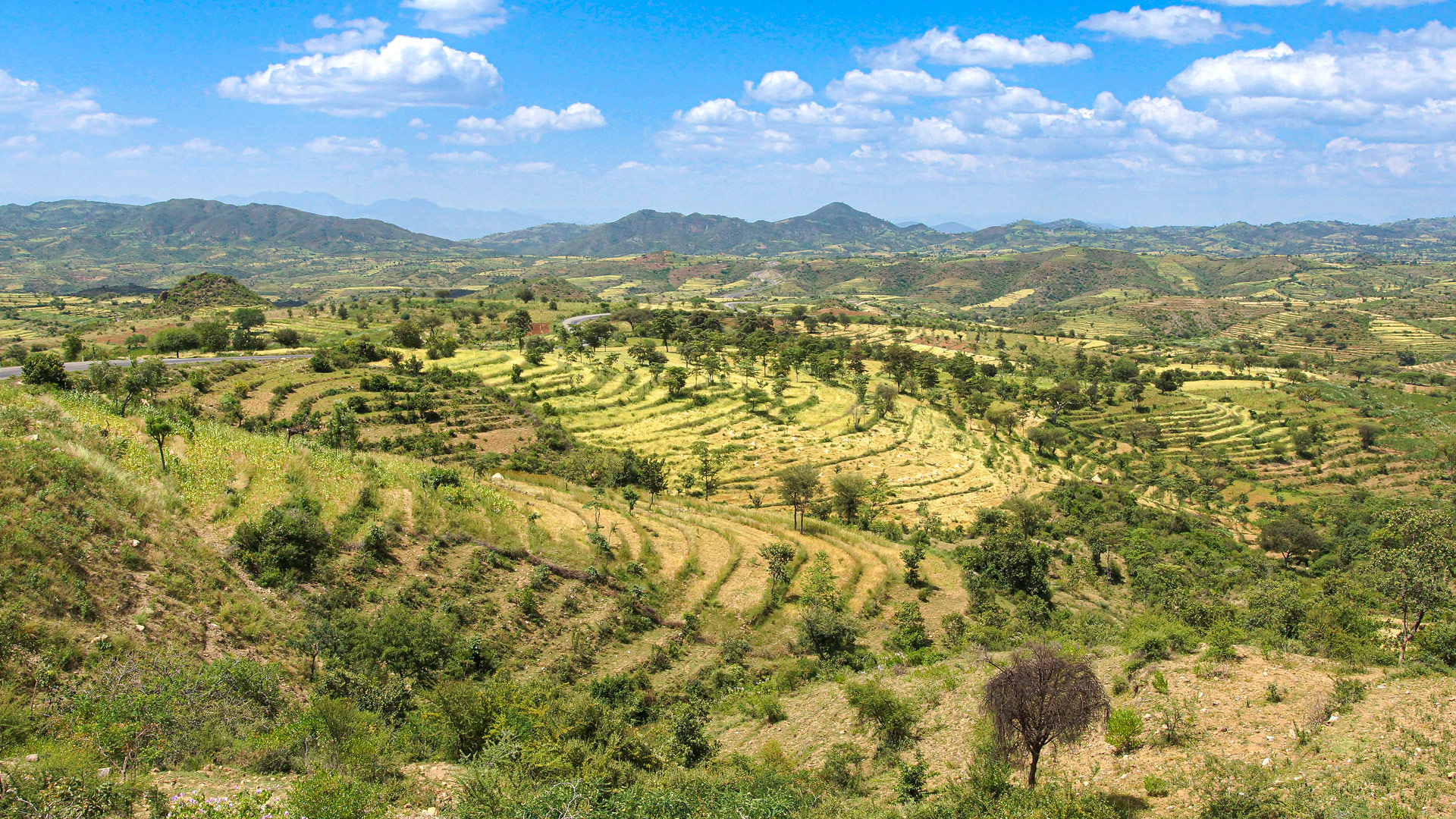
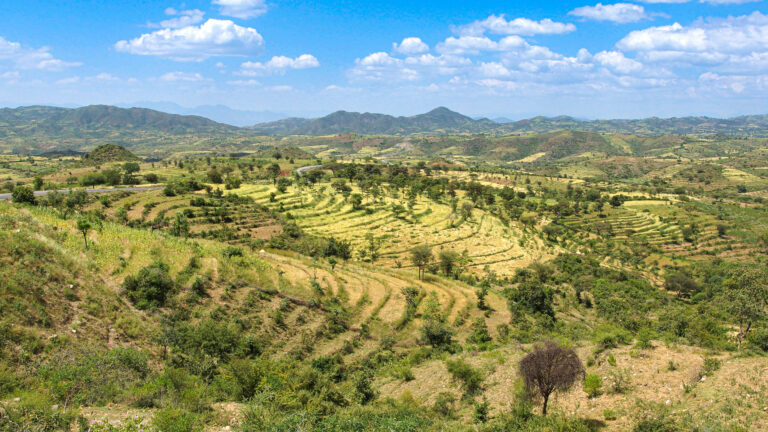
In the remote southwestern corner of Ethiopia, where the Omo River winds through dry plains, green valleys and rugged landscapes, lies one of Africa’s most culturally diverse regions. Known as the Omo Valley, this extraordinary destination offers travellers an opportunity to discover communities whose languages, customs, traditional knowledge and ways of life have developed over generations. Far removed from the crowded streets of major cities, the region reveals a fascinating connection between people, nature and cultural identity.
Often described as one of Africa’s most remarkable cultural destinations, the wider South Omo region is home to more than a dozen ethnic communities, each with distinctive traditions, clothing, languages and social practices. The Mursi, Hamar, Karo, Bodi, Dassanech, Nyangatom, Ari and Banna are among the communities that contribute to the region’s extraordinary diversity. Their lifestyles reflect centuries of adaptation to a challenging environment where rivers, rainfall, livestock and agricultural land play important roles in everyday survival.
A Region Where Every Community Has Its Own Identity
One of the most fascinating aspects of the Omo Valley is the diversity of its people. Although these communities share the same broad geographical region, their cultural identities are distinct, shaped by their histories, environments and social traditions.
The Mursi community is particularly well known internationally for the traditional lip plates worn by some women. These clay or wooden ornaments have cultural and social significance, although practices and individual preferences vary. Mursi communities also have strong connections to cattle herding, agriculture and established systems of social organisation.
The Hamar people, who live around areas such as Turmi and Dimeka, are recognised for their distinctive hairstyles, colourful beadwork and traditional ceremonies. One of their best-known cultural practices is the bull-jumping ceremony, a rite of passage associated with the transition of young men into adulthood. It is an important community event involving families, social relationships and traditional responsibilities.
The Karo, also known as Kara, live along the banks of the Omo River. They are particularly known for artistic body painting, using natural pigments and designs that reflect cultural expression and personal identity. Their settlements offer remarkable views of the river and surrounding landscapes.
The Dassanech communities live towards the southern part of the region, near the Omo River delta and Lake Turkana. Their livelihoods have traditionally depended on livestock, fishing and agriculture. The Bodi, also known as Me’en, have strong pastoral traditions, with cattle playing an important role in their economic and cultural life.
These communities should not be viewed as attractions belonging to another era. They are living societies with individual aspirations, changing lifestyles and their own perspectives on education, development and the future.
The Omo River: The Lifeline of Traditional Communities
The Omo River is central to understanding life in the valley. Flowing southwards through southwestern Ethiopia, it eventually empties into Lake Turkana, which lies largely in Kenya. For generations, its seasonal flooding has supported farming, grazing and other activities essential to communities living along its banks.
Traditional flood-retreat agriculture has been particularly important. As floodwaters recede, fertile land becomes available for planting crops such as sorghum and maize. Livestock herding also remains a major livelihood, with cattle, goats and sheep providing food, wealth and social value.
In an environment where rainfall can be unpredictable, local communities have developed detailed knowledge of seasonal patterns, water sources, grazing areas and agricultural conditions. Their traditional knowledge represents an important form of environmental adaptation.
However, changes to the river system have created serious challenges. The construction of the Gibe III Dam upstream and the development of large-scale irrigation and agricultural projects have altered the natural flooding patterns of the Omo River. Researchers and community advocates have raised concerns about the consequences for traditional farming, grazing land and food security. The effects are complex, and communities have experienced different challenges depending on their location and livelihoods.
Markets, Crafts and Everyday Life
For travellers seeking a closer understanding of local culture, the traditional markets of South Omo offer an especially interesting experience. Towns such as Jinka, Turmi, Dimeka and Key Afer serve as important meeting points where people from surrounding communities gather to trade agricultural produce, livestock, clothing, jewellery and handmade goods.
These markets are not organised performances for tourists. They are important spaces for commerce, communication and social interaction. Visitors may encounter colourful bead necklaces, leather products, traditional accessories, household items and locally grown food.
Traditional crafts also reveal the creativity and practical knowledge of the region’s communities. Jewellery made from beads and other materials, leatherwork, decorative objects and handmade household products reflect local skills passed between generations.
Food is another important part of everyday life. Sorghum, maize, milk and meat feature in different local diets, while communities near the river also depend on fish and other available resources. Eating habits vary considerably across the region, reflecting different environments and cultural traditions.
Ancient Human History Beneath the Landscape
Beyond its cultural diversity, the Omo region has enormous importance for understanding human history. The Lower Valley of the Omo is a UNESCO World Heritage Site, inscribed in 1980 because of its extraordinary prehistoric fossil discoveries.
Archaeological and palaeontological research in the region has uncovered important remains of ancient human ancestors, animals and stone tools. These discoveries provide valuable evidence about human evolution, environmental change and early technological development over millions of years.
The Omo-Kibish area is particularly significant for the discovery of early Homo sapiens fossils, including the famous Omo remains. Such findings have contributed substantially to scientific understanding of the origins and development of modern humans.
For travellers interested in archaeology and anthropology, the region offers a fascinating connection between the present and the distant past. It is a reminder that this part of Ethiopia is not only a destination for cultural exploration but also an important landscape in the scientific study of humanity.
Nature, Wildlife and Dramatic Landscapes
The Omo Valley is also a destination of striking natural beauty. Its scenery includes dry grasslands, riverbanks, wooded areas, hills and wide open plains. The landscape changes dramatically between seasons, with greener surroundings during wetter periods and more arid conditions during drier months.
Mago National Park and Omo National Park are among the region’s important natural attractions. Their environments support wildlife and provide opportunities for nature-focused exploration. Depending on the location and season, visitors may encounter various bird species, antelopes and other wildlife.
The Omo River itself creates a remarkable contrast with the surrounding dry landscapes. Its banks support vegetation, farming and settlements, making the river an essential ecological feature as well as a source of livelihood.
Tourism and the Challenge of Cultural Preservation
Tourism has introduced the Omo Valley to international audiences, attracting visitors interested in traditional communities, photography, anthropology and cultural travel. Jinka is an important gateway to the wider South Omo region, while Turmi and other towns provide access to surrounding communities.
However, cultural tourism requires sensitivity and responsibility. Photographing residents without permission, treating traditional ceremonies as entertainment or reducing entire communities to a collection of unusual customs can create uncomfortable and disrespectful encounters.
Responsible visitors should travel with knowledgeable local guides, ask permission before taking photographs, respect community rules and support locally owned businesses. Tourism can provide income and opportunities, but its benefits should reach the people whose culture and knowledge make the region distinctive.
Preserving cultural heritage does not mean preventing communities from changing. It means ensuring that local people have the freedom and resources to decide how their traditions, land and future should develop.
A Changing Future for the Omo Valley
The Omo Valley is experiencing significant social and economic changes. Education, mobile technology, improved transport, urban connections and new employment opportunities are influencing younger generations. Some people are maintaining traditional livelihoods, while others are exploring new professions and ways of life.
These developments bring opportunities but also difficult questions about land rights, cultural continuity, environmental protection and access to essential resources. Research by scholars working with South Omo communities highlights the importance of listening to local voices rather than assuming that outside observers understand what development should look like.
The future of the region will depend partly on whether economic progress can coexist with environmental sustainability and the rights of the communities who have called this landscape home for generations.
A Travel Experience Beyond Ordinary Tourism
The Omo Valley is not simply a destination for photographs or an opportunity to witness unfamiliar customs. It is a place where visitors can learn about cultural diversity, human history, traditional knowledge and the realities of communities navigating a changing world.
Its markets, river landscapes, archaeological importance and living traditions make it one of Ethiopia’s most distinctive travel regions. Yet its greatest significance lies in the people who continue to shape its identity.
For travellers looking beyond conventional sightseeing, the Omo Valley offers a deeper kind of journey one that encourages curiosity, respect and understanding. It reveals that cultural heritage is not something preserved only in monuments or museums. It lives in languages, family traditions, daily work, community relationships and the choices people make about their future.






+ There are no comments
Add yours