







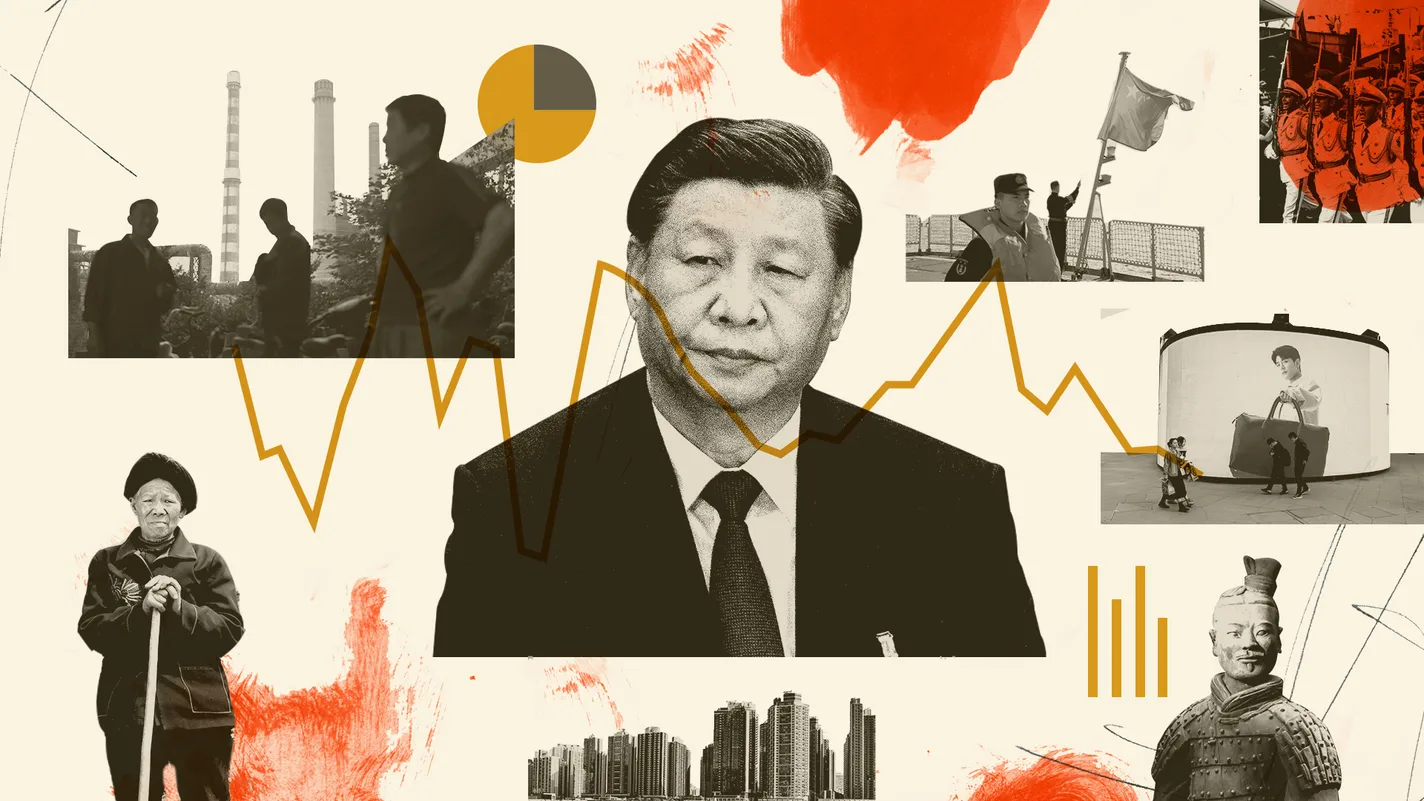
China is entering a new phase in its economic development as growth slows and policymakers confront a range of structural challenges. For decades, China’s economy expanded at an extraordinary pace, transforming the country into the world’s second-largest economy and lifting hundreds of millions of people out of poverty. However, recent economic trends suggest that the era of rapid double-digit growth is fading, forcing leaders to adapt to a more moderate and sustainable growth model.
Under the leadership of President Xi Jinping, the Chinese government has acknowledged that the country must shift its economic priorities. Slower global demand, rising debt levels, and demographic changes are all contributing to a more cautious economic outlook. Experts say China’s aging population and shrinking workforce could affect productivity and limit the pace of future expansion.
One of the most significant challenges facing the Chinese economy is the ongoing crisis in the property sector. For many years, real estate development was a major driver of growth, supporting construction, investment, and employment. However, several major property developers have faced financial difficulties due to high debt levels and falling housing demand. The financial struggles of companies such as Evergrande Group have raised concerns about risks to the wider financial system and investor confidence.
In addition to domestic challenges, China is also dealing with growing economic competition and geopolitical tensions. Trade disputes and technology restrictions involving countries such as the United States have created pressure on Chinese industries, particularly in high-tech manufacturing. Limitations on semiconductor exports and advanced technologies have encouraged China to invest more heavily in developing its own domestic technology sector.
Despite these difficulties, the Chinese government is working to reshape the economy by promoting innovation and domestic consumption. Policymakers are encouraging growth in emerging industries such as renewable energy, electric vehicles, and artificial intelligence. These sectors are expected to play a crucial role in China’s long-term economic strategy as the country seeks to move beyond its traditional reliance on heavy industry and exports.
At the same time, authorities are attempting to maintain financial stability and avoid major economic shocks. Regulatory reforms, targeted stimulus measures, and support for small businesses are being introduced to strengthen the economy during this transition period. Government officials believe these policies will help China maintain steady growth while reducing long-term financial risks.
Economists say China’s economic transition will have global implications. As one of the world’s largest trading nations, shifts in China’s growth pattern can influence global supply chains, commodity markets, and international investment flows. While the country continues to face economic challenges, its ability to adapt to this new reality will play a significant role in shaping the future of the global economy.







+ There are no comments
Add yours