







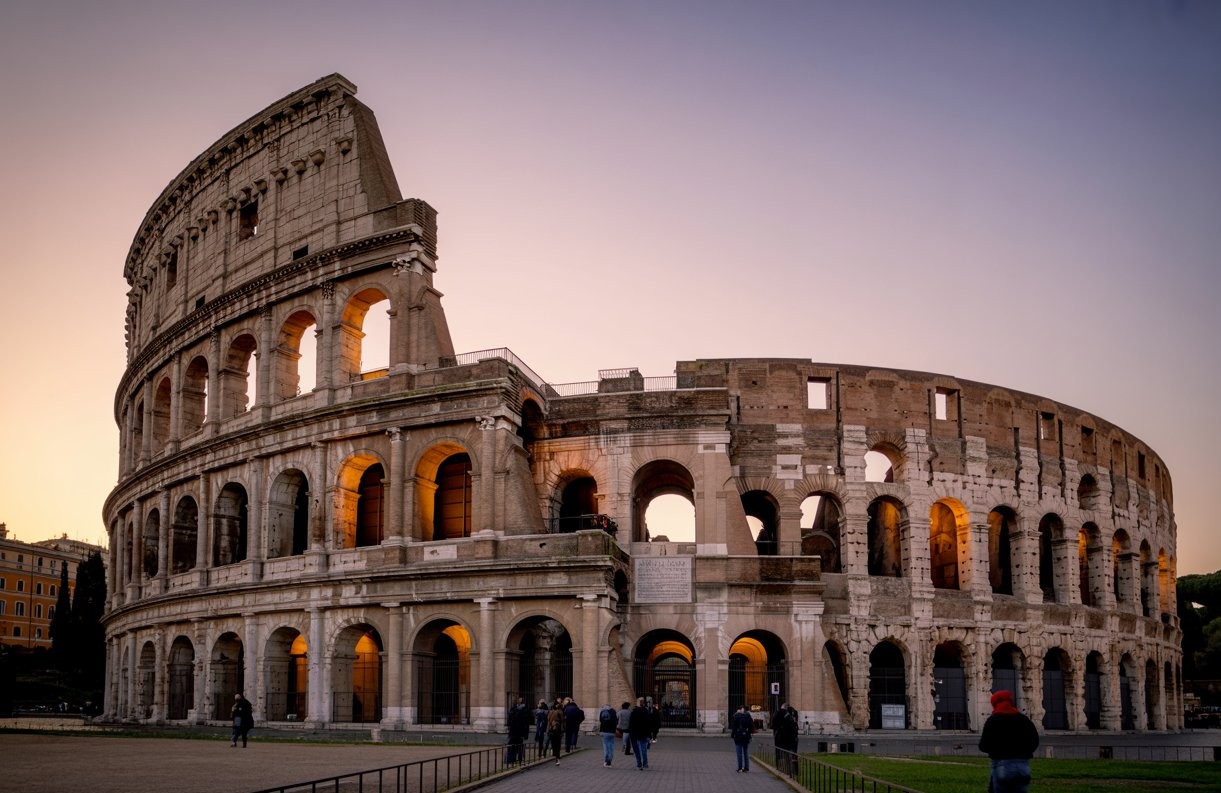
Italy, one of the world’s most visited countries, is now facing a growing challenge — over-tourism. Cities and iconic destinations that attract millions of visitors every year are struggling to balance tourism growth with the preservation of culture, environment, and everyday life for local residents.
From historic cities like Venice and Florence to coastal gems and heritage sites, the pressure of excessive tourism has led authorities to introduce strict new measures. These steps include limiting the number of visitors at popular attractions, introducing entry fees in certain areas, and restricting access during peak hours to reduce overcrowding.
In cities such as Venice, where narrow streets and fragile architecture are constantly under strain, local officials have taken significant action to manage tourist flow. Day-tripper fees and controlled entry systems are being used to ensure that the city does not become overwhelmed during peak seasons. Similar strategies are being explored in other major destinations across the country.
The problem of over-tourism has not only affected infrastructure but also the daily lives of residents. Rising housing costs, crowded public spaces, and environmental stress have made it increasingly difficult for locals to maintain a normal lifestyle. In response, authorities are now prioritizing sustainable tourism models that protect both cultural heritage and community well-being.
At the same time, Italy remains committed to welcoming international visitors, as tourism plays a crucial role in its economy. However, the focus is shifting toward “quality tourism” rather than mass tourism, encouraging travelers to explore lesser-known destinations and travel in a more responsible way.
Experts believe these measures may help restore balance between tourism and preservation. By controlling visitor numbers and promoting sustainable practices, Italy aims to protect its world-famous landmarks for future generations while still sharing its rich history with the world.
In conclusion, Italy’s approach to over-tourism reflects a global challenge faced by many popular destinations. As travel demand continues to rise worldwide, the need for responsible tourism has never been more important.










+ There are no comments
Add yours