







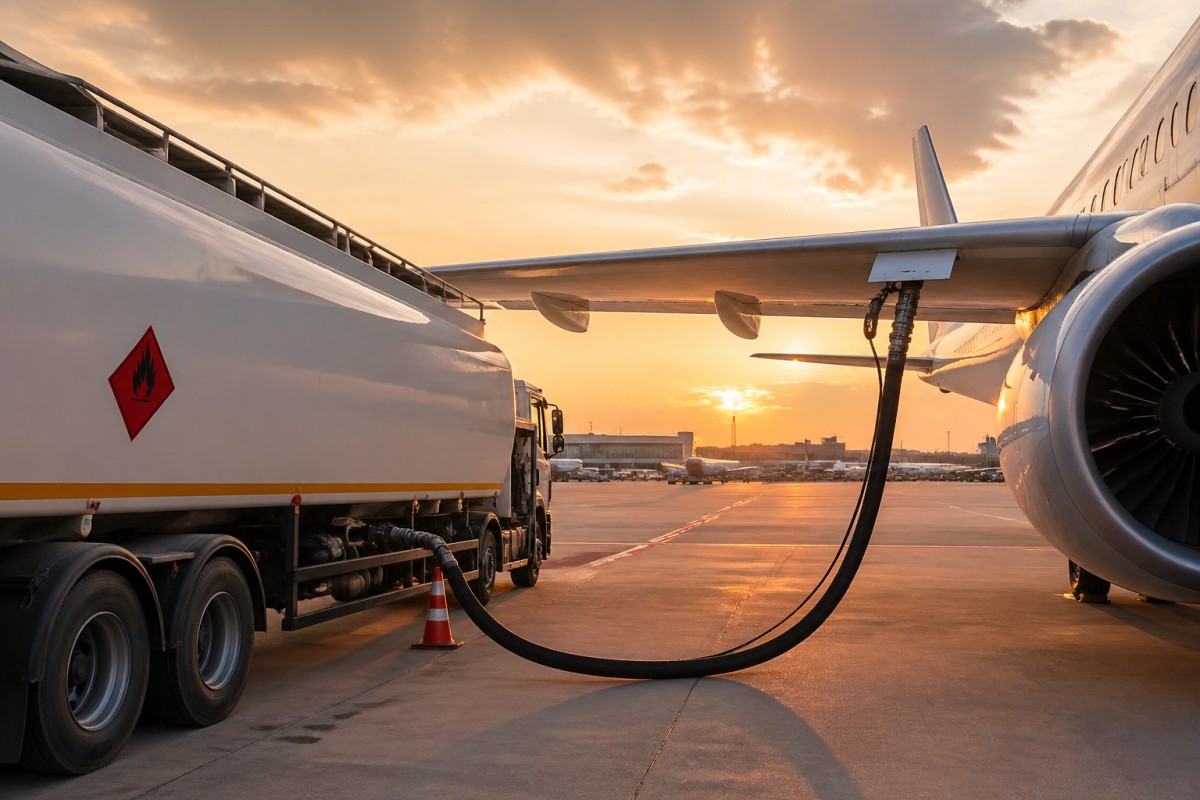
A potential aviation fuel supply crunch is emerging as a serious threat to the large-scale air operations planned for the 2026 Hajj season, raising concerns among airlines, travel operators, and aviation stakeholders involved in transporting pilgrims to Saudi Arabia.
Industry representatives warn that tightening global fuel supply, fluctuating prices, and logistical constraints could place significant pressure on flight schedules during one of the world’s largest annual aviation movements. Each year, hundreds of thousands of pilgrims travel by air to perform the Hajj pilgrimage, making it one of the most complex coordinated airlifts in global aviation.
Officials involved in Hajj operations say early planning is already underway, but uncertainty in fuel availability could increase operational costs and disrupt flight planning if the situation worsens. Airlines operating special Hajj charters typically rely on tightly scheduled rotations, leaving little room for delays or fuel-related adjustments.
Aviation analysts note that global jet fuel markets have been volatile due to geopolitical tensions, supply chain disruptions, and shifting production levels among major oil-exporting regions. Any sustained imbalance, they say, could directly impact pricing and availability for large charter operations.
Stakeholders are particularly concerned about secondary airports and regional carriers, which often operate on thinner margins compared to major international airlines. Rising fuel costs could force some operators to reduce capacity or seek government support to maintain scheduled services during the pilgrimage season.
Travel agencies managing Hajj packages have also expressed concern, warning that increased operational costs could eventually affect package pricing for pilgrims, particularly in price-sensitive markets.
Despite the warnings, aviation authorities in several countries involved in Hajj logistics have reassured that contingency planning is ongoing. Discussions are reportedly underway with fuel suppliers and airline partners to secure priority allocations ahead of peak travel periods.
Experts emphasize that while the situation is not yet critical, early coordination will be key to avoiding disruption. They stress that the Hajj airlift is not only a logistical operation but also a deeply sensitive religious and humanitarian undertaking that requires stability and precision.
For now, stakeholders continue to monitor global fuel trends closely, with the hope that coordinated planning and supply management will prevent any major disruption to the 2026 Hajj pilgrimage air operations.








+ There are no comments
Add yours