





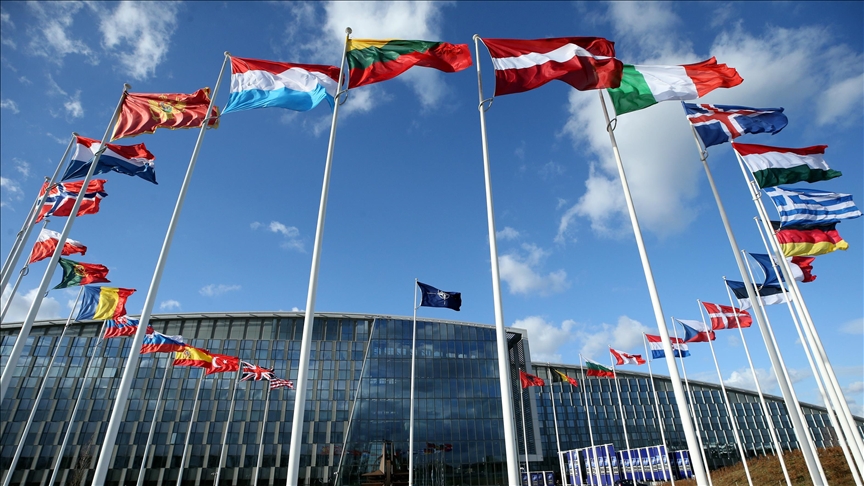
European Union leaders are increasingly focused on strengthening the bloc’s collective defence strategy as concerns grow over regional security challenges and long-term reliance on NATO. Discussions among member states have intensified in recent weeks, reflecting a broader effort to build a more coordinated and self-reliant European defence framework.
At the centre of the debate is the EU’s mutual defence commitment, which obliges member countries to support one another in the event of external threats. While this principle already exists within EU treaties, officials are now examining how to make it more operational and effective in practice, especially in response to evolving geopolitical risks.
The push comes at a time of heightened global instability, with ongoing conflicts and cyber threats increasing pressure on European governments to reassess their security readiness. Some leaders argue that Europe must reduce its dependence on NATO and the United States by developing stronger independent defence capabilities, including better coordination of military resources, intelligence sharing, and rapid response systems.
Others within the bloc remain cautious, warning that duplicating NATO structures could create inefficiencies or weaken existing alliances. They emphasize that NATO continues to be the cornerstone of European security, and any new EU defence initiatives should complement rather than replace it.
Despite differing views, there is broad agreement that Europe needs to adapt to a changing security environment. Recent events have highlighted vulnerabilities in areas such as cyber defence, critical infrastructure protection, and hybrid warfare tactics. As a result, investment in defence technology, joint military projects, and strategic autonomy has become a growing priority.
The European Commission and key member states are expected to present further proposals aimed at improving defence coordination later this year. These may include increased joint funding mechanisms, expanded defence research programs, and stronger cooperation between national armed forces.
Analysts say the current debate marks a significant shift in Europe’s strategic thinking. While the EU has traditionally focused on economic integration, security concerns are now playing a much larger role in shaping policy discussions.
As geopolitical uncertainty continues, the outcome of these talks could define the future of European defence policy for years to come, determining how the EU balances cooperation with NATO while building its own independent strategic capabilities.



+ There are no comments
Add yours