







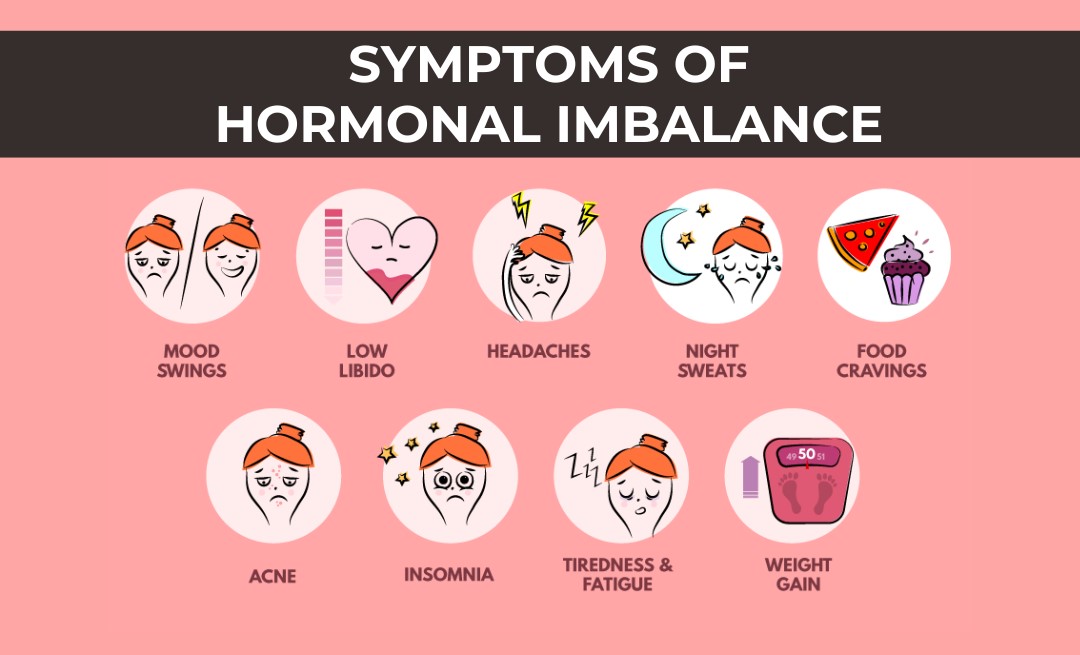
Hormonal imbalances often develop quietly, building over time before more obvious symptoms appear. While many women associate hormonal issues with irregular periods, weight gain, or mood swings, nutritionists say one of the earliest and most overlooked warning signs is far more subtle: persistent morning fatigue, even after a full night’s sleep.
Waking up tired on occasion is normal, but when fatigue becomes a daily pattern, it may signal that the body’s hormonal rhythms are out of sync. Hormones such as cortisol, often called the “stress hormone,” follow a natural cycle. Ideally, cortisol levels rise in the early morning to help the body wake up and feel alert. When this cycle is disrupted due to stress, poor diet, or irregular sleep energy levels can remain low, making mornings feel unusually difficult.
Sleep itself plays a critical role in maintaining hormonal balance. Women experiencing imbalance may notice inconsistent sleep patterns, difficulty falling asleep, or waking frequently during the night. Over time, this disrupted sleep can affect other hormones, including melatonin and insulin, creating a cycle that worsens fatigue and impacts overall health.
Nutritionists point out that lifestyle factors are often at the root of these early symptoms. High sugar intake, excessive caffeine, and irregular eating patterns can interfere with blood sugar stability, which in turn affects hormones. Chronic stress is another major contributor, as it keeps cortisol levels elevated at the wrong times of day, preventing the body from fully resting and recovering overnight.
Morning fatigue is often dismissed as a result of a busy lifestyle, but ignoring it can allow deeper imbalances to develop. As hormone disruption progresses, women may begin to notice additional symptoms such as brain fog, low mood, cravings, or changes in metabolism. Addressing the issue early can prevent more significant health challenges later.
Improving hormonal balance often starts with small, consistent changes. Nutritionists recommend prioritizing regular sleep schedules, reducing processed foods, and including balanced meals with protein, healthy fats, and fiber. Managing stress through activities such as light exercise, mindfulness, or time outdoors can also help regulate cortisol levels. In some cases, professional guidance may be necessary to identify specific deficiencies or underlying conditions.
Ultimately, the body often signals imbalance long before more serious symptoms arise. Recognizing persistent morning fatigue as a potential early warning sign allows women to take proactive steps toward restoring balance and supporting long-term well-being.









+ There are no comments
Add yours