







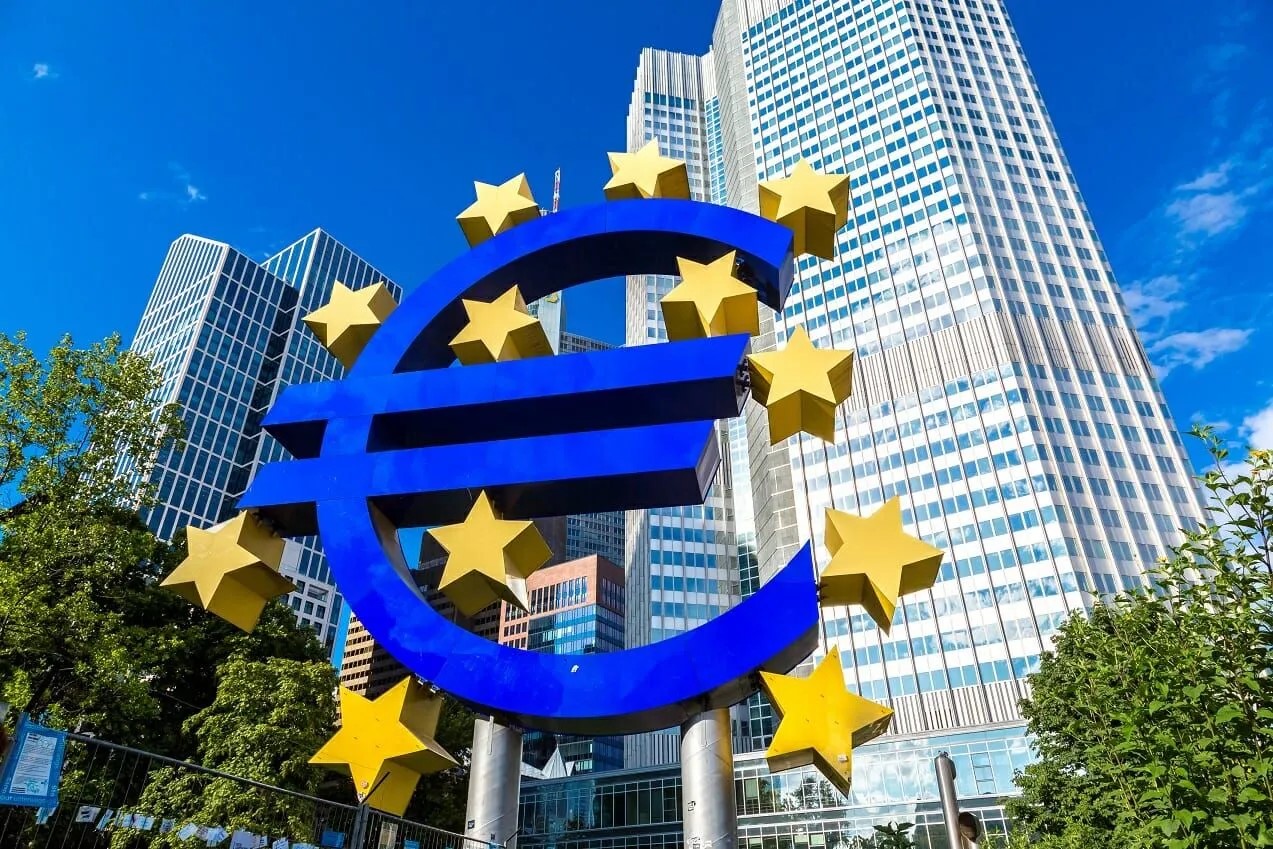
The European Central Bank is widely expected to raise interest rates in June as policymakers continue their efforts to bring inflation under control across the eurozone. Despite earlier signs of easing price pressures, inflation remains above the central bank’s target, prompting officials to maintain a cautious and firm stance on monetary policy.
The anticipated rate hike reflects ongoing concerns that inflation could stay elevated for longer than previously expected. While energy and supply chain pressures have moderated compared to earlier peaks, underlying inflation particularly in services continues to show resilience. This has complicated the ECB’s path forward, forcing policymakers to balance the need to curb prices without placing excessive strain on economic growth.
Economists remain divided on what comes after the expected June increase. Some believe the central bank may need to continue tightening policy if inflation proves stubborn, while others argue that weakening economic conditions could limit the scope for further rate hikes. This uncertainty has left investors closely watching incoming data and central bank signals for clues about the future direction of policy.
At the same time, the broader economic outlook for the eurozone appears to be softening. Growth is forecast to slow this year, as higher borrowing costs weigh on business investment and consumer spending. Manufacturing activity has shown signs of weakness in several major economies, and consumer confidence remains fragile amid ongoing cost-of-living pressures.
The combination of persistent inflation and slowing growth presents a challenging environment for the ECB. Raising rates too aggressively could risk pushing the economy toward stagnation, while moving too slowly may allow inflation to remain entrenched. As a result, policymakers are expected to proceed carefully, emphasizing data-driven decisions in the months ahead.
For businesses and households, the impact of higher interest rates is already being felt through increased loan costs and tighter financial conditions. If rates continue to rise, these pressures are likely to intensify, potentially dampening economic activity further.
With inflation still above target and growth losing momentum, the ECB faces a delicate balancing act. The decisions made in the coming months will play a critical role in shaping the region’s economic trajectory and determining how quickly price stability can be restored.











+ There are no comments
Add yours