






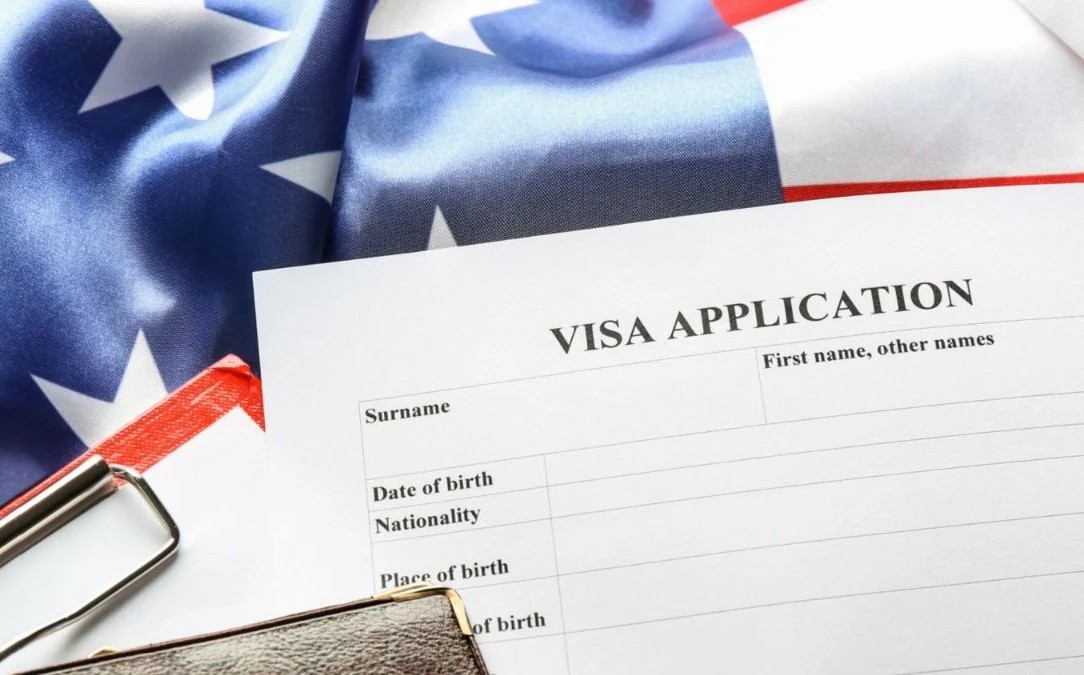
In recent years, evolving visa policies across major regions have significantly reshaped global travel patterns, affecting millions of tourists, students, and expatriates worldwide. Governments are continuously updating entry requirements to balance national security, economic interests, and migration control, but these changes often have wide-reaching effects on international mobility.
Countries in the Middle East, Europe, and the United Kingdom have introduced a range of visa reforms aimed at streamlining entry procedures while tightening oversight. For example, Saudi Arabia has expanded and modified its visa system as part of broader economic reforms designed to boost tourism and diversify its economy. While some categories have become more flexible, others now involve stricter documentation and renewal processes, especially for long-term visitors and workers.
In Europe, Schengen Area nations have increasingly emphasized digitalization and security checks, introducing advanced screening systems and updated application requirements. These measures are intended to improve border security and manage migration more effectively, but they have also led to longer processing times in some cases, affecting travel plans for both tourists and business travelers.
The United Kingdom has also revised its immigration and visa policies following broader political and economic shifts in recent years. Stricter work visa rules and changes in student migration policies have influenced the flow of international talent, particularly from non-European countries. While these reforms aim to control net migration and prioritize skilled workers, they have also created uncertainty for applicants navigating the system.
For expatriates, visa policy changes can have a direct impact on career stability and long-term residency plans. Sudden adjustments in renewal requirements or eligibility criteria may force individuals to reconsider employment opportunities or relocation decisions. Similarly, tourists may face changes in entry fees, documentation rules, or stay duration limits, which can influence travel demand.
Economically, visa policies play a crucial role in shaping tourism revenue and international business travel. Countries with more flexible and efficient visa systems often attract higher numbers of visitors, boosting hospitality, aviation, and retail sectors. Conversely, stricter or unclear policies can discourage travel and reduce cross-border economic activity.
Experts suggest that the future of global travel will increasingly depend on digital visa systems, international cooperation, and streamlined application processes. While governments continue to prioritize security and regulation, there is growing recognition of the need to maintain openness and accessibility in a highly connected world.
Ultimately, visa policy changes reflect a delicate balance between control and connectivity. As nations adapt to shifting political and economic realities, their decisions will continue to shape how freely people move across borders in the years ahead.







+ There are no comments
Add yours