





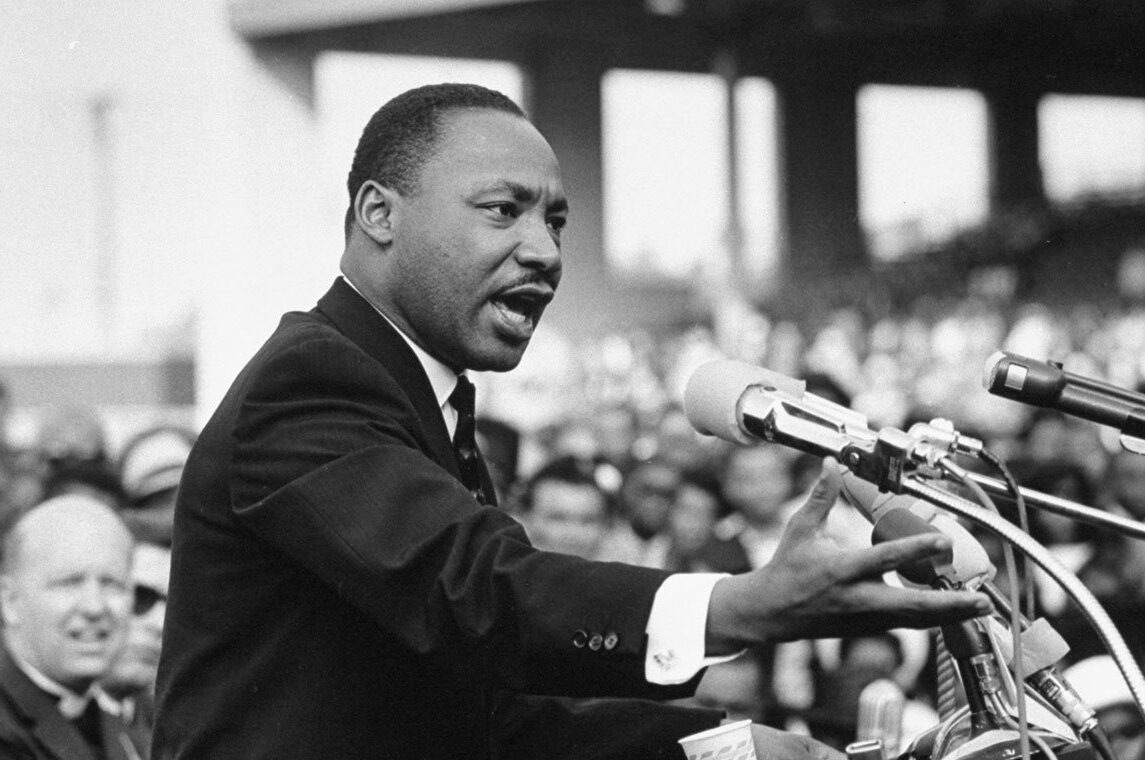
Martin Luther King Jr. is widely regarded as one of the most influential leaders in modern history, known for his powerful message of equality, justice, and non-violent resistance. His leadership during the American civil rights movement reshaped society and continues to inspire movements for human rights around the world.
Born in 1929, King grew up in a deeply segregated America where racial discrimination was a daily reality for African Americans. From an early age, he witnessed injustice, which shaped his lifelong commitment to equality and social change. Instead of responding with violence, he chose the path of peaceful protest, guided by strong moral principles and faith in non-violence.
As a leader, King played a central role in organizing peaceful demonstrations, boycotts, and marches that challenged racial segregation and unfair laws in the United States. His ability to unite people from different backgrounds made him a powerful voice for justice during a time of deep social division.
One of the most defining moments of his leadership came in 1963 during the historic March on Washington for Jobs and Freedom. Standing before thousands of people, he delivered his famous “I Have a Dream” speech, where he envisioned a future where people would be judged not by the color of their skin but by their character. This speech became a symbol of hope and equality across the world.
King’s leadership was not without challenges. He faced arrests, threats, and constant opposition, yet he remained committed to peaceful resistance. His determination and courage helped bring national attention to the civil rights struggle and played a key role in the passing of major civil rights legislation in the United States.
In recognition of his efforts, he was awarded the Nobel Peace Prize in 1964, becoming one of the youngest recipients of the honor. The award acknowledged his extraordinary contribution to ending racial injustice through non-violent means.
Although his life was tragically cut short in 1968, Martin Luther King Jr.’s legacy continues to shape global conversations about equality, justice, and human dignity. His vision of a fair and inclusive society remains relevant today, reminding the world that true leadership is defined by courage, compassion, and the pursuit of justice.





+ There are no comments
Add yours