




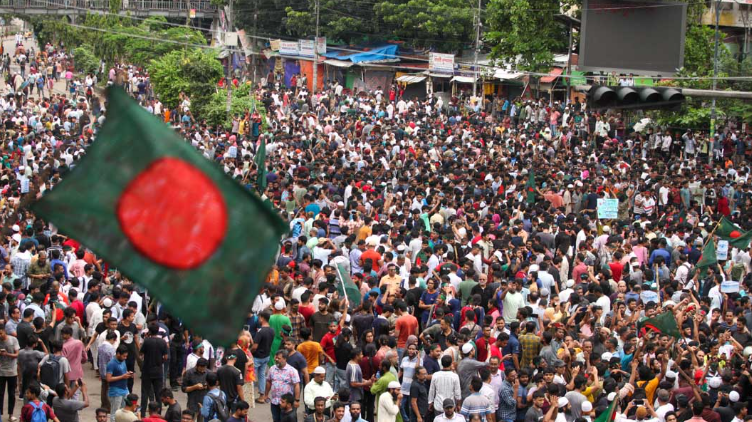
Bangladesh experienced another tense day as political uncertainty and public unrest continued to grip the country, reflecting deeper divisions within its political landscape. Protests, counter-statements from political leaders, and heightened security measures underscored the fragile situation as citizens and authorities alike braced for further developments.
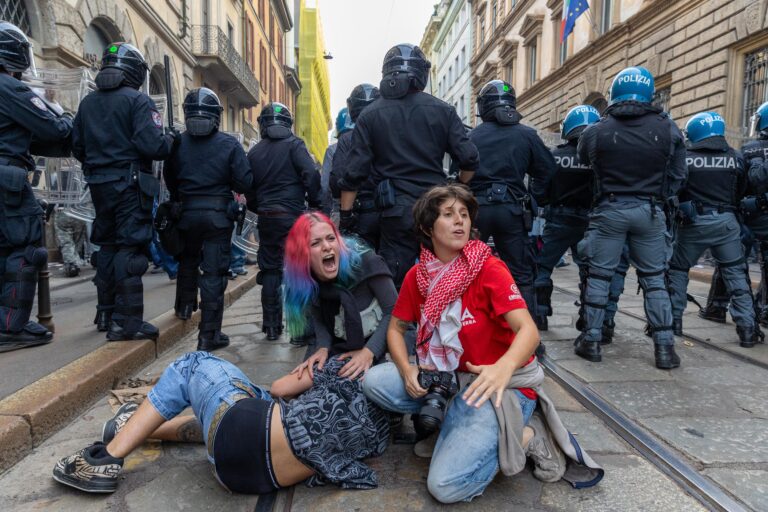
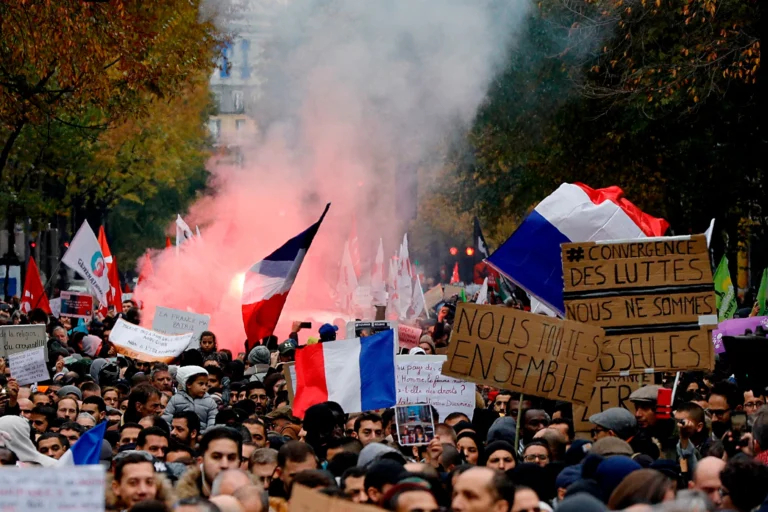
In several areas, demonstrations were reported over issues ranging from governance and law enforcement to demands for accountability and justice. Protesters voiced frustration over what they describe as a lack of stability and transparency during the current transitional phase. Law enforcement agencies remained on alert, aiming to prevent violence while allowing peaceful assembly, though public anxiety remained high.
Political leaders traded sharp accusations, blaming one another for fueling instability. Statements from senior figures highlighted disagreements over the direction of the country and the handling of sensitive issues, including public safety and minority protection. These exchanges have further polarized public opinion at a time when many are calling for dialogue and restraint.
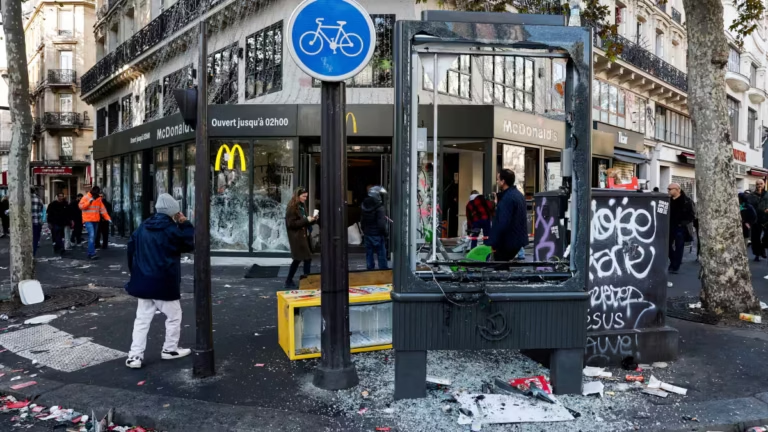
The unrest has also had broader implications, affecting daily life and regional relations. Disruptions to transport, administrative services, and diplomatic activities signaled how prolonged tension could impact the economy and Bangladesh’s international standing if left unresolved.
Despite the challenges, civil society voices have urged calm and constructive engagement, emphasizing the need for political compromise and respect for democratic processes. Observers note that the coming days will be crucial in determining whether tensions ease through dialogue or escalate further.
As Bangladesh navigates this uncertain moment, the demand from the public remains clear: stability, accountability, and a peaceful path forward in a country eager to move beyond unrest toward lasting political balance.





+ There are no comments
Add yours