






Malaysia is introducing stricter rules for hikers following a rise in search and rescue operations linked partly to the growing popularity of hiking destinations promoted on social media.
Under the new measures, hikers will be required to use guides at 189 locations considered high-risk, while pre-climb screening procedures will also be introduced. The rules, announced by Malaysia’s Ministry of Natural Resources and Environmental Sustainability (NRES), are aimed at preventing accidents and reducing the need for costly and potentially dangerous search and rescue missions.
Hiking has become increasingly popular across Malaysia, a country where vast areas are covered by tropical forest. While the landscapes offer spectacular opportunities for outdoor adventures, the combination of high temperatures, humidity, dense vegetation and difficult terrain can create serious risks for inexperienced hikers.
Authorities say some visitors are heading into the wilderness without adequate preparation or are leaving designated trails in search of less-travelled routes. Social media has also played a role in promoting remote and visually appealing hiking locations, encouraging more people to attempt challenging trails without necessarily understanding the risks involved.
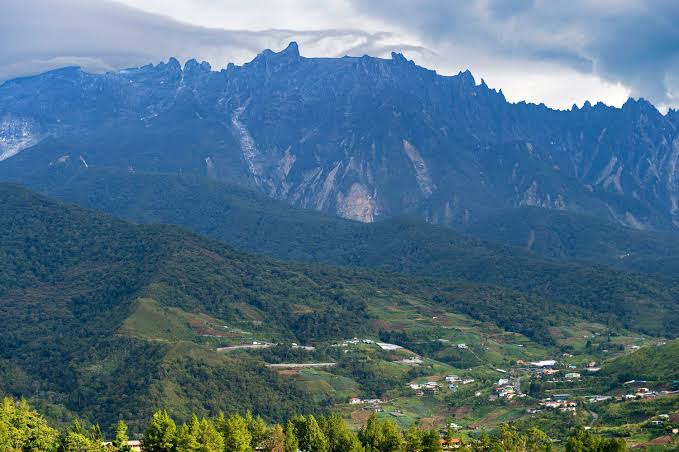
Malaysia is home to some of Southeast Asia’s most impressive hiking destinations. Mount Kinabalu in Borneo, rising to 4,095 metres, attracts hikers from around the world, while the jungles surrounding Gunung Tahan offer demanding multi-day trekking experiences. Mount Tahan, at 2,187 metres, is the highest point in Peninsular Malaysia.
For those looking for shorter adventures, popular urban and nearby trails include Penang Hill in George Town and the KL Forest Eco Park in Kuala Lumpur. These locations provide access to nature without requiring visitors to travel deep into remote wilderness.
NRES Deputy Minister Syed Ibrahim Syed Noh told Malaysia’s state news agency Bernama that some hikers have been setting out without sufficient preparation and entering unauthorized routes. Such behaviour can quickly turn a recreational trip into an emergency, particularly when hikers become lost or injured in areas that are difficult for rescuers to access.
The new regulations highlight the growing challenge faced by tourism authorities worldwide as social media transforms hiking into a popular lifestyle trend. While online platforms can inspire people to explore nature, authorities are urging visitors to understand their physical limits, follow marked routes and prepare properly before entering challenging environments.
Malaysia’s new approach aims to ensure that the country’s spectacular forests and mountains remain open to adventure while making hiking safer for both visitors and rescue teams.





+ There are no comments
Add yours