







Greenland is known today for its vast ice sheets, dramatic mountains, remote settlements and breathtaking Arctic landscapes. But beneath its spectacular scenery lies one of medieval history’s most intriguing mysteries: what happened to the Norse people who once built a life on this frozen island?
More than 1,000 years ago, Norse settlers travelled across the North Atlantic and established communities in Greenland. They built farms, churches and settlements, adapting to an environment that was vastly different from the lands they had left behind. For centuries, these communities survived in one of the most challenging regions on Earth.
Then, sometime after centuries of settlement, they disappeared.
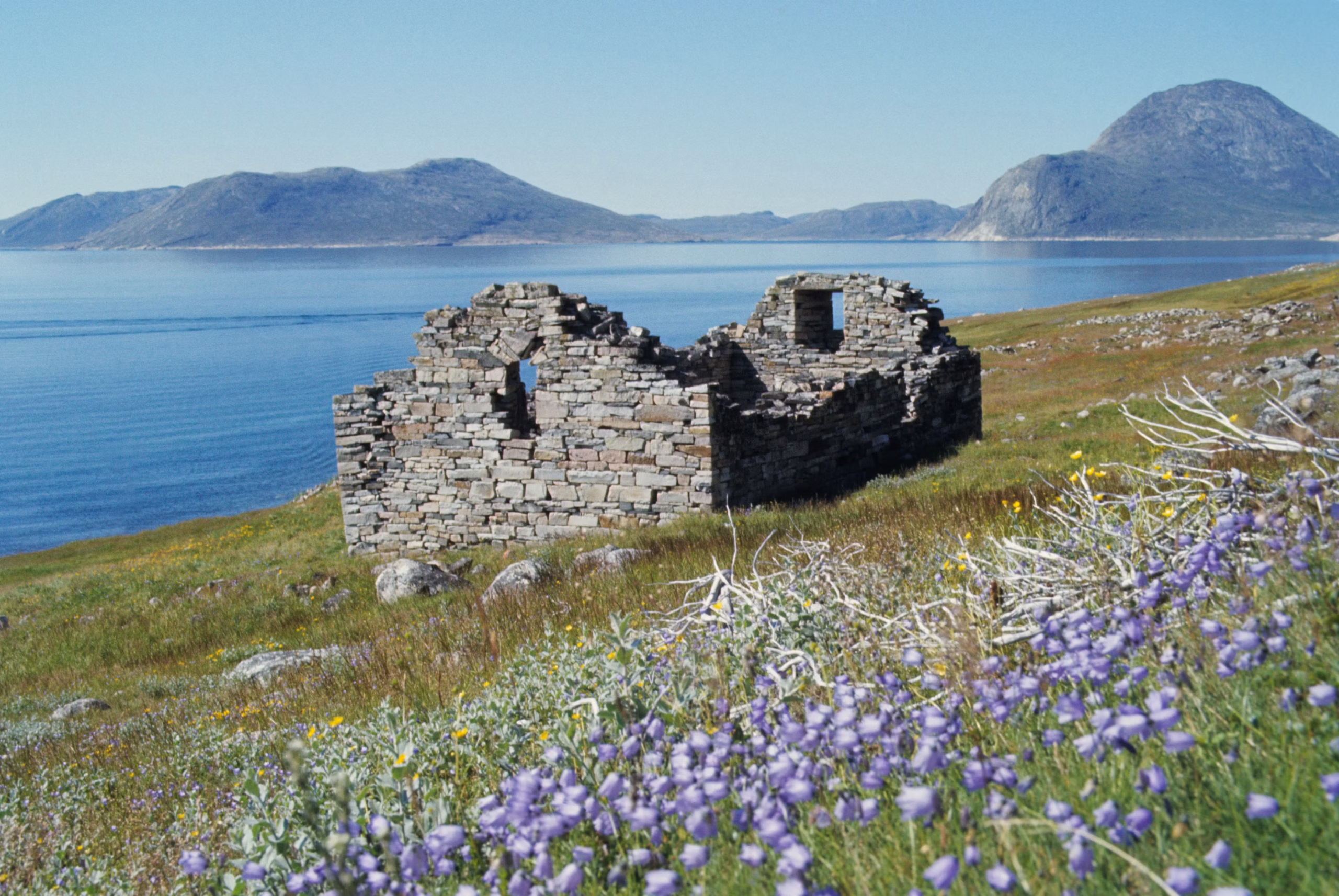
The mystery of Greenland’s vanished Vikings continues to attract historians, archaeologists and curious travellers. Evidence left behind by the Norse, including the remains of farms, churches and other structures, offers clues about how they lived and how their communities eventually declined.
Changing climate conditions, increasingly difficult farming, declining trade and shifting economic circumstances are among the factors researchers have examined when trying to understand the disappearance. The story is not simply one of a sudden evacuation, but a complex chapter in which environmental and social pressures may have gradually made life increasingly difficult.
For modern travellers, Greenland offers an extraordinary opportunity to explore this forgotten chapter of European history. Visitors can discover archaeological sites surrounded by enormous landscapes, fjords and glaciers, while learning about the people who attempted to build a permanent society at the edge of the medieval world.
The ruins provide a powerful connection between Greenland’s present and its mysterious past. Standing among ancient stone walls and abandoned settlements, travellers can imagine a time when Viking farmers, families and religious communities called this remote Arctic land home.
Today, the story of the vanished Norse serves as more than an archaeological puzzle. It is also a reminder of how human societies respond to changing environments and uncertain conditions.
As interest in Arctic travel grows, Greenland’s Viking heritage is giving visitors another reason to explore the world’s largest island—not only for its spectacular natural beauty, but also for the centuries-old mystery hidden beneath its icy landscape.







+ There are no comments
Add yours