






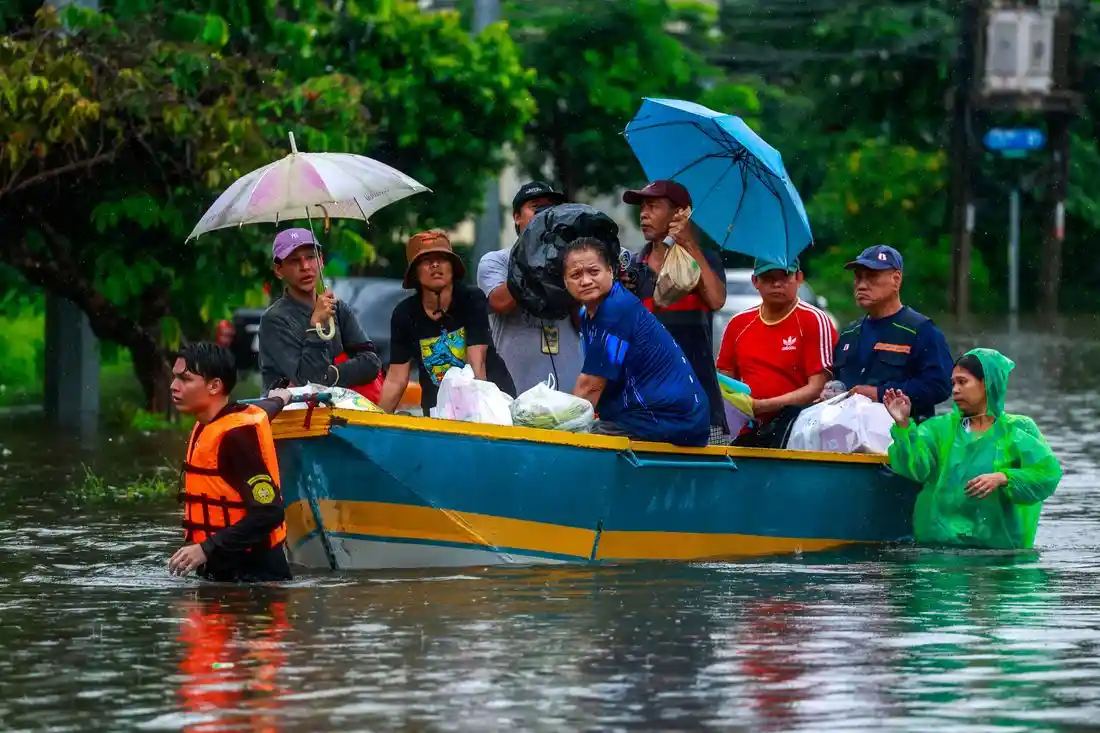
Bangkok, one of Asia’s most visited and vibrant capitals, is facing an extraordinary travel disruption after torrential rain flooded large parts of the city, turning busy roads into waterways and forcing authorities to declare all 50 districts disaster-affected areas. For travellers arriving in or passing through Thailand, the flooding has transformed a normally seamless urban experience into one requiring careful planning and constant attention to local conditions.
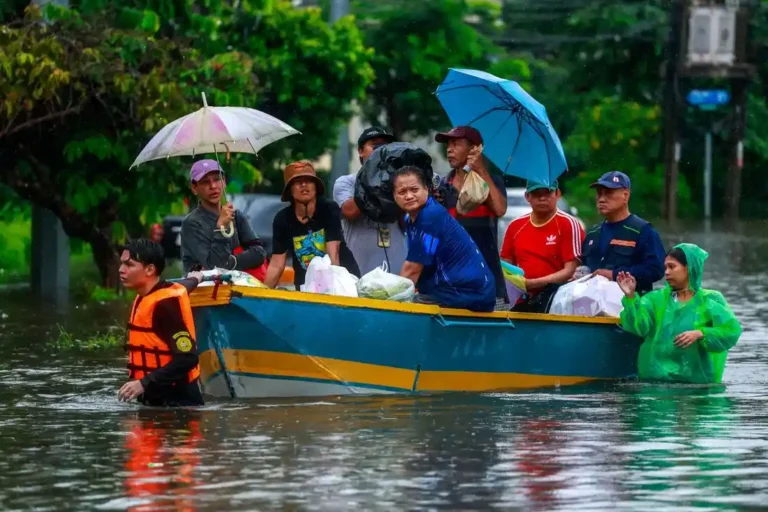
Nearly 300 millimetres of rain fell in parts of Bangkok over a 48-hour period, overwhelming drainage systems and flooding major roads and neighbourhoods. Some areas experienced water reaching waist height, while thousands of residents were moved to temporary shelters. Authorities have urged people to avoid unnecessary journeys as emergency teams work to drain floodwaters and assist affected communities.
The disruption has also reached the travel infrastructure that connects Bangkok to the rest of the world. Suvarnabhumi and Don Mueang international airports remain operational, but road journeys to the terminals can take significantly longer because of flooding and congestion. Thailand’s Tourism Authority has advised passengers to allow additional time, check traffic conditions before leaving and confirm flight status directly with their airlines.
For visitors already in the city, rail services may provide a more reliable alternative to flooded roads, although travellers still need to check conditions around stations and their final destinations. Some major roads have begun reopening as rainfall eases, but water remains in several districts and conditions can change quickly.
The flooding comes during Thailand’s monsoon season, but the intensity of the rainfall has created disruption far beyond the usual seasonal showers. The government declared 28 and 29 September special public holidays in Bangkok and neighbouring affected provinces as authorities attempted to reduce traffic and support flood-response operations.
Bangkok is not completely closed, and hotels, shops and many attractions continue operating. But for travellers, the message is clear: flexibility matters. Journeys should be planned around live weather and transport updates, extra time should be built into airport transfers, and flooded roads should be avoided. In a city where movement is normally part of the adventure, the latest crisis has made caution the most important part of the itinerary.






+ There are no comments
Add yours