






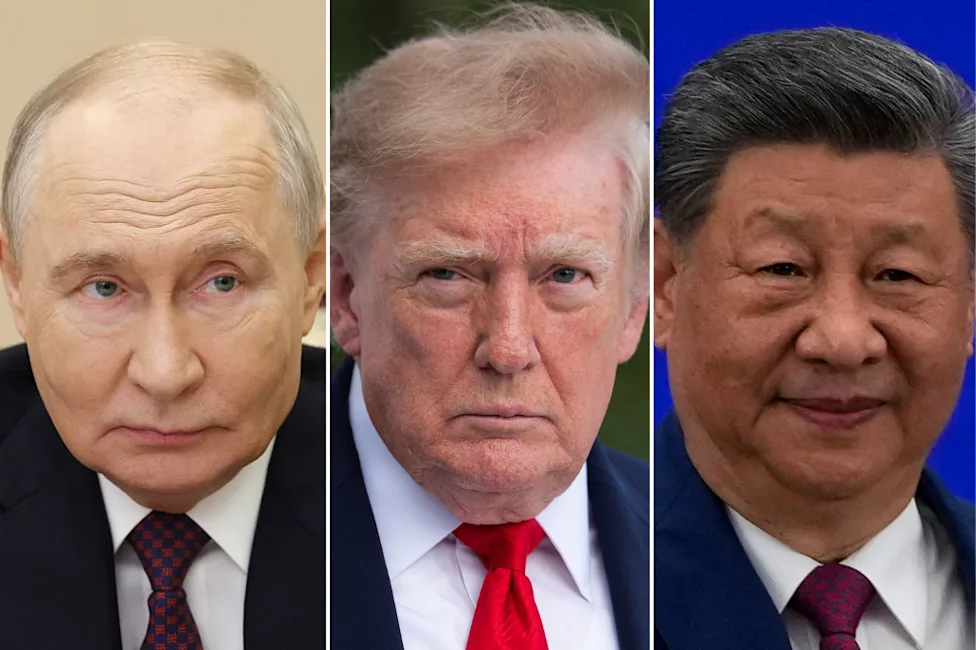
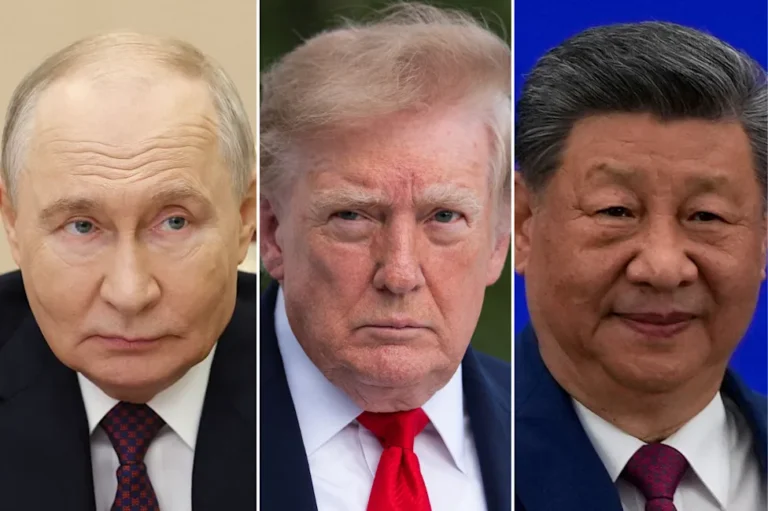
A potential meeting involving three of the world’s most influential leaders is drawing international attention after Russian President Vladimir Putin and US President Donald Trump discussed the possibility of a trilateral summit with Chinese President Xi Jinping, according to the Kremlin. The proposed diplomatic gathering could bring Washington, Moscow and Beijing together at a time when nuclear security, geopolitical tensions and the future of international relations remain major global concerns.
The discussions have raised the possibility of an extraordinary diplomatic encounter involving leaders whose countries occupy central positions in global military, economic and political affairs. Although no final agreement on the meeting has been announced, the Kremlin’s confirmation that the idea was discussed has placed the possibility of direct engagement between the three powers firmly on the international agenda.
A meeting involving Trump, Putin and Xi would carry considerable diplomatic significance. The United States, Russia and China possess the world’s largest nuclear arsenals and play decisive roles in international security. Their relationships are shaped by competing strategic interests, economic rivalries, military concerns and disagreements over the international balance of power. Bringing their leaders into the same room could create an opportunity to address some of the most sensitive issues facing the international community.
One of the central subjects expected to feature in discussions is nuclear weapons reduction. Arms control has become an increasingly important issue as existing agreements face uncertainty and competition between major military powers continues. Washington has expressed interest in broader discussions about nuclear security, while Moscow and Beijing have their own strategic considerations regarding the size, structure and future of their nuclear capabilities.
However, reaching a meaningful agreement would be complicated. The three countries have different security priorities, military doctrines and expectations surrounding international arms control. Any negotiations would require detailed discussions about transparency, verification, strategic stability and the responsibilities of nuclear-armed states. US officials have also indicated that an immediate agreement should not be expected simply because leaders may meet.
For Trump, direct engagement with both Putin and Xi would provide an opportunity to discuss relations with two major geopolitical competitors. His administration has repeatedly highlighted diplomacy as an important instrument for addressing international disputes and reducing tensions. A potential trilateral meeting could therefore become part of a wider effort to establish communication between governments whose relations have experienced significant strain.
For Putin, discussions with the American president offer an opportunity to address Moscow’s relationship with Washington and raise Russia’s position on international security arrangements. Russia has repeatedly argued that European and global security cannot be separated from its own strategic concerns. The war in Ukraine, Western sanctions and disagreements over military cooperation remain major obstacles to improved relations.
China also has important interests in any possible diplomatic arrangement. Under Xi Jinping, Beijing has expanded its international influence while maintaining close strategic and economic relations with Moscow. At the same time, its relationship with Washington remains complicated by disagreements over trade, technology, Taiwan and regional security in the Indo-Pacific.
A trilateral meeting could therefore extend beyond nuclear weapons and involve broader questions about global stability, economic cooperation and the future of relations between the three powers. Nevertheless, significant differences remain, and diplomatic discussions would not automatically translate into agreements or changes in national policies.
The prospect of such a gathering also raises questions about the role of other countries, particularly European governments and America’s allies in the Indo-Pacific. Decisions involving nuclear security and international stability have consequences far beyond the borders of the three countries. European nations, NATO members and regional partners in Asia would closely follow any discussions that could influence the wider international security environment.
For now, the proposed meeting remains under discussion rather than a confirmed diplomatic event. Its timing, location, agenda and participants will depend on further negotiations between the governments involved.
Nevertheless, the possibility of Trump, Putin and Xi sitting together represents a significant diplomatic development. At a moment when international relations are shaped by competing interests and growing security concerns, direct communication between Washington, Moscow and Beijing could provide an important channel for addressing disagreements. Whether it produces meaningful progress on nuclear arms control or simply opens another chapter in great-power diplomacy remains to be seen. What is clear is that any conversation involving these three leaders would attract worldwide attention, with governments watching closely for signs of a possible shift in the international balance of power.




+ There are no comments
Add yours