







Two courtrooms, separated by little more than a corridor, witnessed two deeply disturbing criminal cases unfold side by side. In one, a globally recognised celebrity faced the full glare of international media attention. In the other, an almost entirely unknown man stood accused of sexually abusing a teenage girl. Both cases involved allegations of rape, questions of consent and the devastating consequences of sexual violence. Yet the attention they received could hardly have been more different.
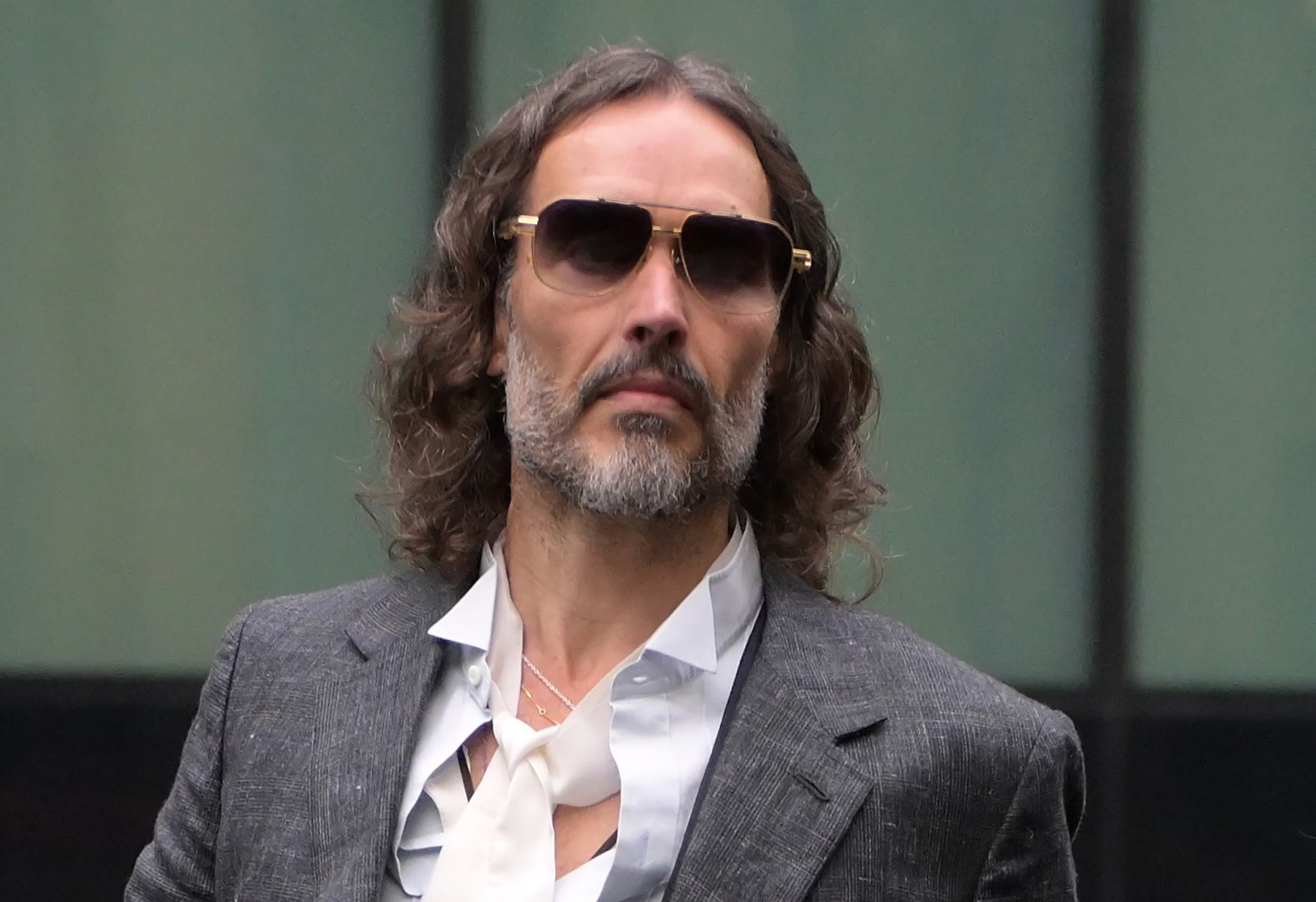
At Southwark Crown Court in London, the trial of comedian and former television personality Russell Brand became one of the most closely watched criminal proceedings in Britain. More than 100 journalists applied for access, cameras gathered outside the building, and reporters followed every courtroom development. His arrival each morning attracted photographers, television crews and online commentators, transforming the courthouse into a global media spectacle.
But only minutes away, another trial was taking place with almost none of that attention.
The neighbouring case involved a 32-year-old man accused of raping a 17-year-old girl, a teenager almost half his age. While Brand’s celebrity status brought international headlines and intense public scrutiny, the second defendant remained largely unknown outside the courtroom. His trial received little of the publicity surrounding the high-profile proceedings next door.
The contrast revealed an uncomfortable reality about the criminal justice system: the seriousness of an alleged crime does not necessarily determine the amount of public attention it receives. Fame, recognition and media interest can shape which cases become national conversations and which remain largely invisible.
Brand’s case involved six women and allegations spanning several years. He faced seven charges, including rape and sexual assault. Throughout the proceedings, the comedian denied the allegations and contested the prosecution’s account of events. The jury ultimately found him guilty of one count of rape and three counts of sexual assault, while acquitting him of three other charges. He was subsequently sentenced to more than 10 years in prison.
The prosecution presented evidence from women who described encounters that they said involved coercion, unwanted sexual behaviour and an imbalance of power. Their accounts were examined in detail, while the defence challenged their credibility and questioned the circumstances surrounding the alleged incidents.
In the neighbouring courtroom, the proceedings followed a different path but raised similarly serious questions about consent and the vulnerability of victims. The 32-year-old defendant was convicted of two counts of rape and one count of assault by penetration, while being acquitted of two other charges.
The cases differed in their circumstances, defendants and evidence, but both highlighted the difficult experience of women and girls who must recount deeply personal and traumatic events in a public courtroom. Giving evidence can involve facing intense questioning, having personal decisions examined and revisiting experiences that may have taken years to disclose.
Judges and prosecutors must ensure that juries assess the evidence rather than rely on stereotypes about how a victim should behave, whether they should have reported an offence immediately or whether they should have physically resisted.
The media contrast was equally striking. Brand’s fame brought an extraordinary level of scrutiny, with daily reporting, television analysis and online discussion. His public image, previous career and personal life became part of the wider conversation. The teenage complainant in the neighbouring case, meanwhile, did not have the same platform or public recognition to bring attention to her experience.
The comparison is not an argument that celebrity cases receive too much coverage or that the media should ignore prominent criminal proceedings. Public scrutiny of high-profile trials is an important part of open justice. Instead, it raises a fundamental question about why so many serious cases involving ordinary people receive comparatively little attention.
Behind every courtroom door are individuals whose lives may be permanently changed by the events being examined. Their stories deserve to be heard, regardless of whether the accused is famous, wealthy, influential or completely unknown.
Two trials, two defendants and two very different levels of public attention ultimately exposed the same uncomfortable truth: sexual violence is not defined by celebrity status, and the need for justice does not depend on how many cameras are waiting outside the courtroom.
For the victims, the consequences are personal and lasting. For society, the challenge is to ensure that their voices are not heard only when the accused happens to be famous.










+ There are no comments
Add yours