






Rich in fish, vegetables, soybeans and green tea, Japan’s traditional eating habits are attracting renewed scientific attention as researchers explore the connection between everyday food choices, longevity and healthier ageing.
For generations, Japan has been admired for its remarkable longevity, with many people continuing to lead active lives well into their eighties and nineties. While genetics, healthcare, physical activity and social connections all contribute to a longer life, researchers are increasingly examining another important factor: what people eat every day.
The traditional Japanese diet, known for its balance, variety and emphasis on fresh ingredients, is attracting renewed attention as scientists investigate how everyday food choices may influence healthy ageing and long-term wellbeing.
Unlike many modern diets dominated by processed foods, excessive sugar and unhealthy fats, traditional Japanese meals often include fish, vegetables, rice, soybeans, seaweed, mushrooms and fermented foods. Green tea is also a familiar part of daily life.
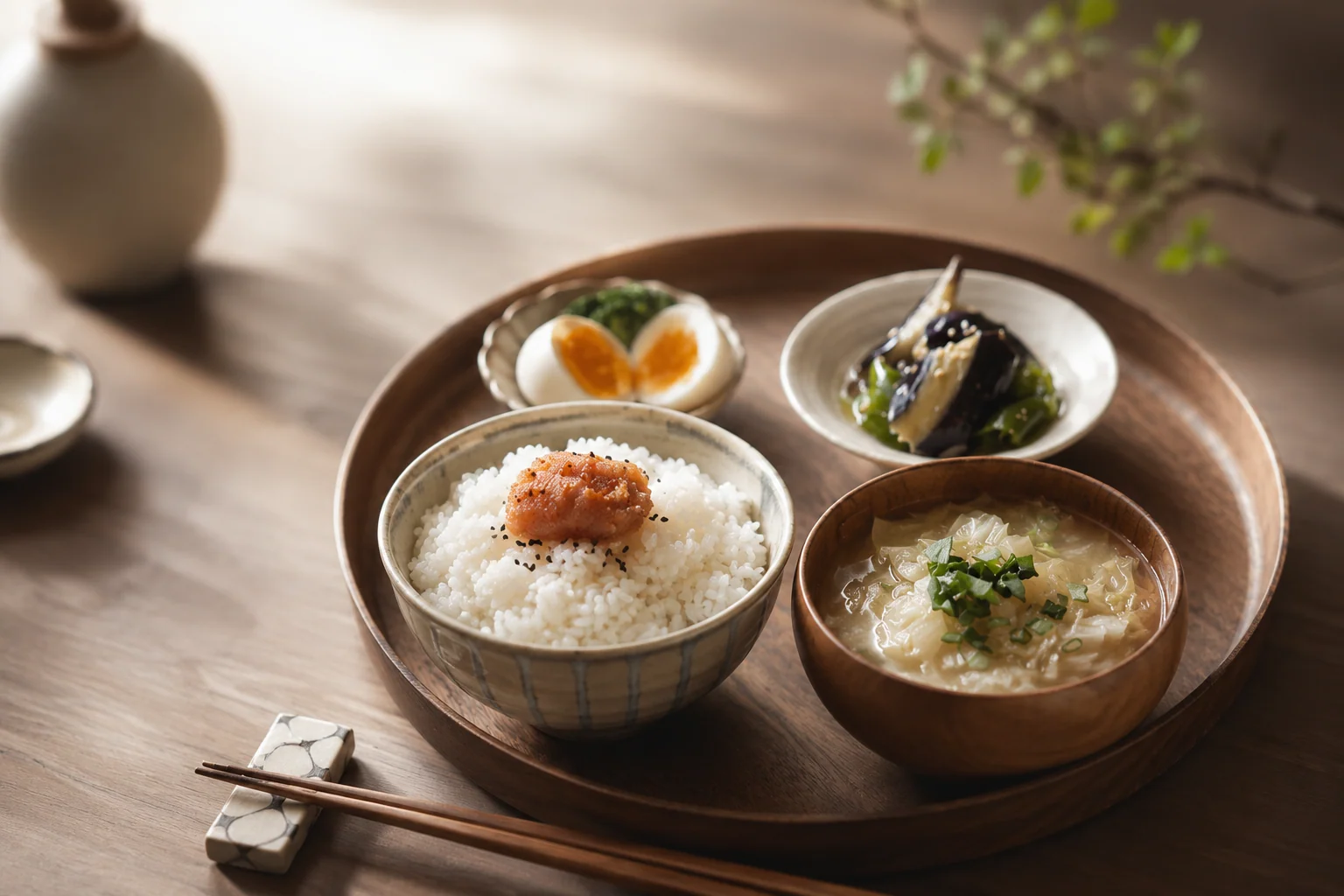
A typical meal may consist of a small bowl of rice, grilled fish, miso soup, seasonal vegetables and pickled foods. Rather than relying on one large dish, the traditional approach often involves several smaller portions, offering a variety of nutrients and flavours.
One of its most important ingredients is fish. Rich in protein and, depending on the variety, omega-3 fatty acids, fish can support heart and brain health. Regular consumption of fish as part of a balanced diet may also help reduce the reliance on processed and high-fat meat products.
Soybeans are another important component. Foods such as tofu, natto and miso provide plant-based protein and other beneficial nutrients. Soy products contain isoflavones, naturally occurring compounds that have attracted scientific interest for their potential health benefits.
Seaweed, meanwhile, provides fibre and minerals, while vegetables and mushrooms contribute vitamins, antioxidants and other nutrients that support overall health.
Green tea has also become an important subject of nutritional research. It contains natural compounds called catechins, which have antioxidant properties. Although green tea is not a miracle solution for ageing, it can be a healthy alternative to sugary drinks.
Recent scientific research has added fresh interest to this traditional eating pattern. A study published in the journal Nutrition and Health in September 2026 examined the nutritional characteristics of Japan’s 1975-style diet. Researchers found that its combination of vegetables, fruits, fish, soybeans and seaweed could have relevance for healthy ageing and longevity. However, the findings include population-level associations and earlier experimental research, rather than proof that this diet directly extends human life.
A separate 2026 study published in the Journal of Nutrition examined more than 93,000 Japanese adults over a median follow-up period of 18.9 years. Researchers found that greater adherence to Japanese dietary patterns was associated with lower risks of death from all causes and cardiovascular disease.
However, traditional Japanese eating habits are not without challenges. Some foods, particularly miso soup, pickles and salted seafood, can contain considerable amounts of sodium. Excessive salt consumption can increase blood pressure and cardiovascular risks. Modern interpretations of the diet therefore increasingly emphasise reducing salt while maintaining its nutritional variety.
The lesson is not that everyone must eat exactly like the Japanese. Instead, the broader message is that healthier ageing may begin with simple, sustainable food choices: eating more vegetables, choosing fish and plant-based proteins, limiting highly processed foods, controlling salt intake and enjoying balanced portions.
Ultimately, living longer is not just about adding years to life; it is about adding health, independence and quality to those years.
Japan’s traditional food culture offers an important reminder that healthy ageing does not necessarily require expensive diets or complicated wellness routines. Sometimes, the most meaningful changes begin with what we place on our plates every day.







+ There are no comments
Add yours