






With mortgage rates already hovering around 3%, Beijing faces a difficult balancing act between supporting struggling property buyers, stabilising the banking sector and reviving confidence in a real estate market still weighed down by weak demand.
China’s struggling property market is facing another critical test as the country’s central bank signals caution over further interest rate cuts, raising questions about whether cheaper borrowing alone can revive demand for homes in the world’s second-largest economy.
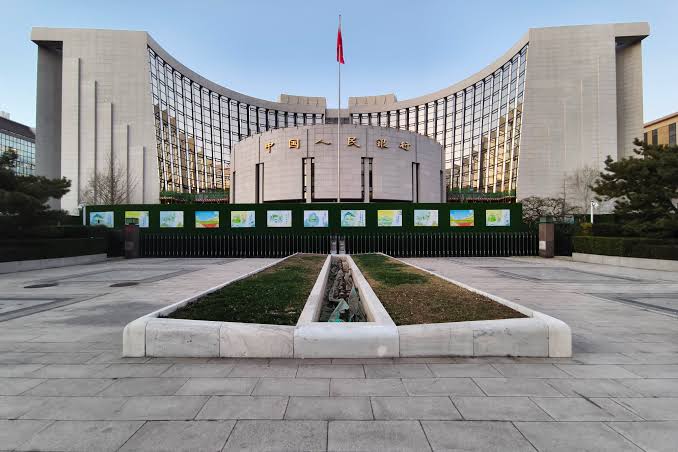
The People’s Bank of China (PBOC) has highlighted that mortgage and corporate lending rates have already fallen to around 3% at the end of September, describing financing conditions as relatively accommodative compared with major international economies. The message suggests that Beijing may be reluctant to introduce another broad interest rate reduction, even as the housing sector continues to face significant challenges.
For China’s real estate industry, the decision carries enormous implications. Years of falling property prices, unfinished housing projects, developer debt problems and declining buyer confidence have weakened one of the country’s most important economic sectors. Millions of households have become increasingly cautious about purchasing property, while developers continue to struggle with financing and sales.
The central bank’s latest assessment suggests that the problem is no longer simply the cost of borrowing. Even when mortgages become cheaper, households may remain unwilling to take on long-term debt if they fear property prices could decline further or their financial security remains uncertain.
This creates a difficult situation for policymakers. Cutting interest rates further could encourage borrowing, but it would also put additional pressure on banks’ profit margins and potentially weaken financial stability. Chinese authorities must therefore balance economic support with the need to protect the banking system.
Instead of relying entirely on interest rate reductions, the PBOC is focusing on reforms to improve the country’s interest rate system and ensure that existing monetary policies reach businesses and households more effectively.
The approach reflects a broader challenge facing China’s economy. Although exports have provided important support for growth, domestic consumption and private investment remain under pressure. The property sector, once a major engine of economic expansion, continues to cast a long shadow over consumer confidence and household wealth.
For potential homebuyers, the consequences are significant. Lower mortgage costs may offer some relief, but confidence in the housing market remains essential before families commit to purchasing expensive properties. Buyers want greater certainty about property values, construction completion and the future direction of the economy.
The government’s broader stimulus efforts are aimed at supporting economic growth, but restoring the real estate market will likely require more than monetary easing. Stronger household confidence, improved developer finances and measures to address unsold housing inventory will remain important parts of the recovery challenge.
The central bank’s latest message indicates that Beijing believes borrowing costs are already low enough to provide substantial support. The bigger question is whether households and businesses are confident enough to borrow.
As China approaches the end of 2026, its property market remains a crucial measure of economic confidence. For policymakers, the challenge is no longer simply making mortgages cheaper, but convincing millions of potential buyers that investing in a home is once again a safe decision.








+ There are no comments
Add yours