






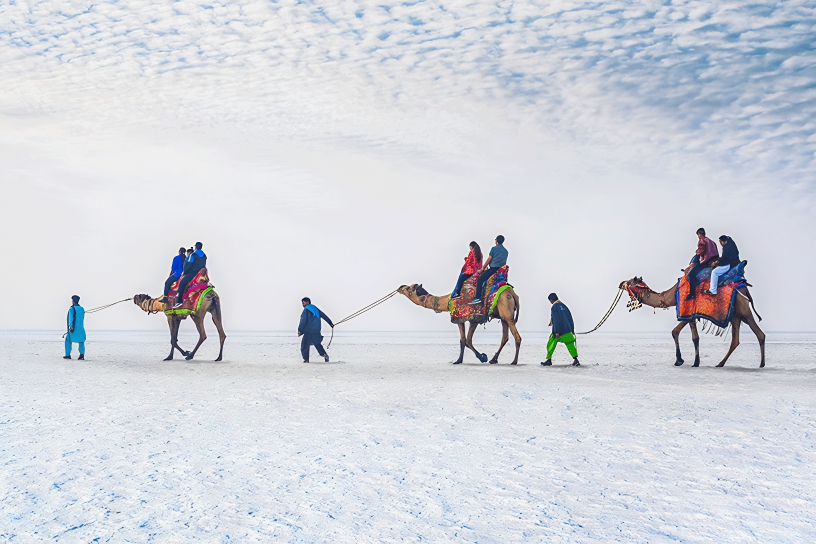
As winter arrives in western India, the vast white salt desert of Kutch is preparing to welcome travellers with a remarkable combination of natural beauty, traditional culture, wildlife and adventure. From endless white landscapes glowing under the moonlight to colourful village markets and ancient archaeological sites, Gujarat’s largest district is emerging as an attractive destination for those seeking an experience beyond conventional holidays.
Located in the western state of Gujarat, Kutch is famous for the Great Rann, an enormous seasonal salt marsh that transforms into a spectacular white landscape after the monsoon waters recede. During the cooler months, the region offers more comfortable conditions for exploring its open landscapes, making November to February a popular period for visitors.
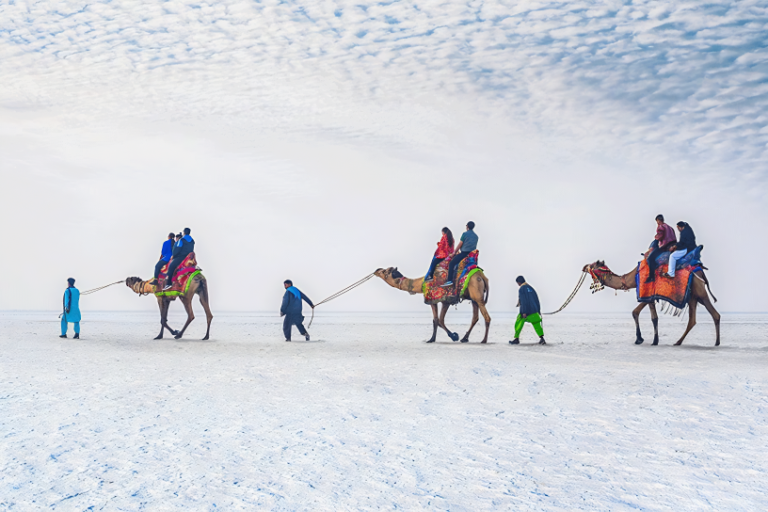
One of the biggest attractions is the White Rann, where miles of salt-covered ground stretch towards the horizon. At sunset, the landscape changes colour as the fading sunlight creates shades of gold, silver and pink across the desert. On full-moon nights, the white salt surface reflects the moonlight, creating an extraordinary setting that attracts photographers and travellers from across India and abroad.
The winter season also brings the return of Rann Utsav, Gujarat’s celebrated cultural festival. The 2026-27 edition began on 1 November and will continue until 7 March 2027 at Dhordo. The festival showcases the region’s traditional music, folk dances, local cuisine, handicrafts and artistic heritage. Visitors can experience traditional performances, explore colourful markets and stay in specially designed tented accommodation near the desert.
Beyond its landscapes and celebrations, Kutch is also known for its centuries-old craftsmanship. Villages such as Nirona, Ajrakhpur and Bhujodi offer opportunities to discover traditional art forms passed down through generations. From intricate embroidery and handwoven textiles to Ajrakh block printing, lacquer work and Rogan painting, local artisans continue to preserve distinctive cultural traditions. Travellers can visit workshops, meet craftspeople and purchase handmade products directly from their creators.
For wildlife enthusiasts, the Little Rann of Kutch offers an entirely different adventure. The region is home to the Indian Wild Ass Sanctuary, where visitors can explore the dry grasslands, salt flats and seasonal wetlands on guided jeep safaris. The Indian wild ass is among the area’s most recognised animals, while desert foxes, nilgai, jackals and numerous bird species can also be found in the wider landscape.
Winter is particularly appealing for birdwatching, as migratory species arrive at the region’s wetlands. Flamingos, cranes, pelicans and other waterbirds make the area an important destination for nature lovers and wildlife photographers.
History enthusiasts can also travel to Dholavira, an important archaeological site associated with the ancient Indus Valley Civilisation. Its remains reveal evidence of a sophisticated urban settlement, including fortified structures and an advanced water-management system. The site offers visitors a fascinating glimpse into life thousands of years ago.
The coastal town of Mandvi provides another reason to extend a journey through Kutch. Known for its beach, historic shipbuilding traditions and the impressive Vijay Vilas Palace, the town offers a change of scenery from the region’s dry desert landscapes.
However, the growing popularity of winter tourism also brings responsibilities. Protecting fragile ecosystems, supporting local communities and ensuring that tourism benefits traditional artisans will remain important as visitor numbers increase.
With its extraordinary landscapes, rich cultural identity and diverse wildlife, Kutch offers much more than a conventional winter escape. For travellers looking to discover a different side of India, the White Desert promises an unforgettable journey where nature, history and tradition come together.






+ There are no comments
Add yours