



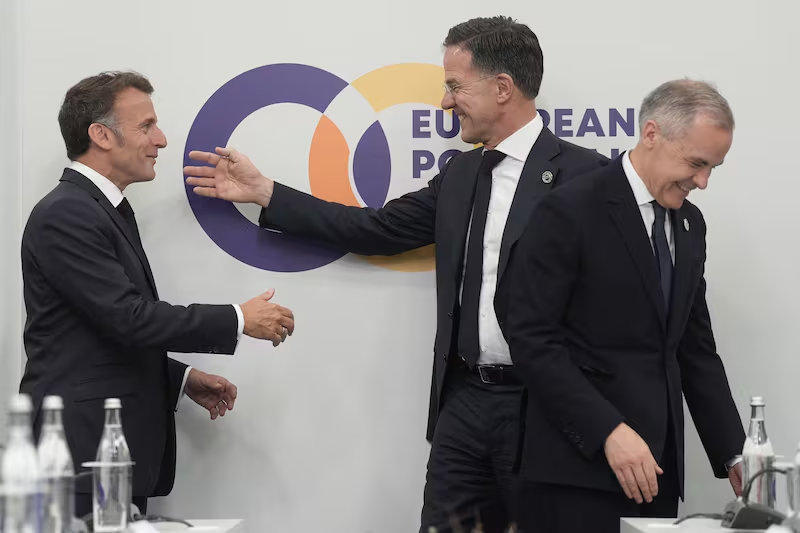
With war in Ukraine, growing security threats and mounting pressure on democratic institutions, Europe’s political leaders gather in Ireland to confront an increasingly uncertain future and demonstrate whether the continent can stand united.
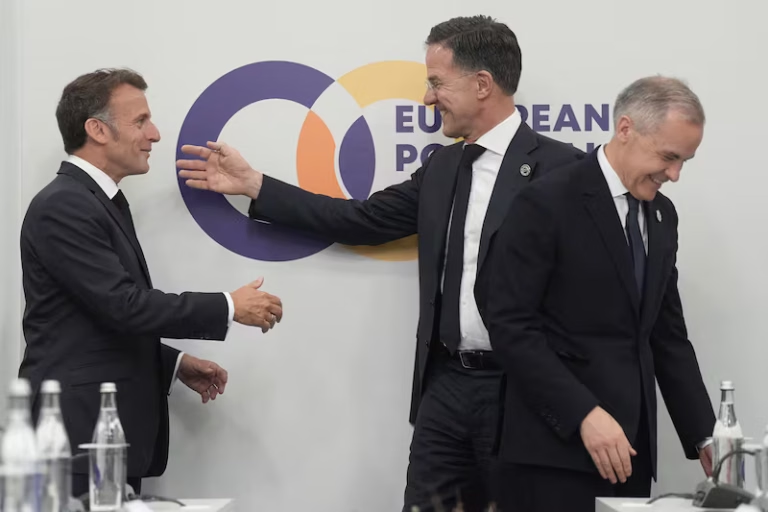
Europe’s political leadership faces a critical test as around 50 heads of state and government gather in Dublin on Thursday for a major summit aimed at confronting the continent’s growing security, political and economic challenges.
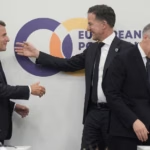
The European Political Community summit brings together leaders from across the continent at a moment when geopolitical tensions are reshaping international relations and placing unprecedented pressure on European cooperation. Hosted by Irish Prime Minister Micheál Martin, the gathering is expected to focus on security, the continuing war in Ukraine, democratic resilience and Europe’s ability to protect its strategic interests in an increasingly unstable world.
The meeting represents a significant diplomatic moment for Ireland, which is hosting the largest gathering of heads of state and government in its history. But beyond the diplomatic ceremonies and political statements, the summit carries a much bigger question: can Europe’s leaders translate their promises of unity into meaningful action?
Russia’s war against Ukraine remains one of the most urgent challenges facing the continent. European governments continue to confront difficult decisions over military assistance, defence spending, economic pressure and the long-term security of the region. For many leaders, the conflict has become a defining test of Europe’s political determination and its commitment to protecting national sovereignty.
Security concerns extend far beyond the battlefield. European countries are increasingly focused on strengthening their defence capabilities, protecting critical infrastructure, countering cyber threats and responding to foreign interference. The changing international environment has also intensified discussions about Europe’s ability to act independently while maintaining strong relationships with its international partners.
Democracy is another major issue expected to dominate discussions. Political polarisation, disinformation and growing distrust in public institutions have created challenges for governments across the continent. Leaders face increasing pressure to protect democratic values while addressing public frustration over economic uncertainty, migration and the rising cost of living.
Economic competitiveness is also emerging as a central concern. Europe must find ways to strengthen its industrial base, encourage technological innovation and remain competitive against powerful global economies. From artificial intelligence to energy security, decisions made today could influence the continent’s economic position for decades.
However, bringing dozens of leaders around one table does not automatically guarantee agreement. European countries have different national priorities, political pressures and approaches to international crises. Finding common ground will require difficult negotiations, diplomatic flexibility and a willingness to place shared interests above individual political calculations.
For Irish Prime Minister Micheál Martin, the summit offers an opportunity to reinforce Ireland’s role in European diplomacy while encouraging stronger cooperation among participating countries.
The gathering also sends a broader message to the international community: at a time when global alliances are being tested and geopolitical divisions are deepening, Europe’s future may depend more than ever on the strength of its collective leadership.
As the leaders meet in Dublin, the stakes extend well beyond another diplomatic summit. Their ability to build trust, coordinate security policies and defend democratic principles could help determine whether Europe emerges stronger from this period of uncertainty or becomes increasingly divided by the challenges confronting it.


+ There are no comments
Add yours