







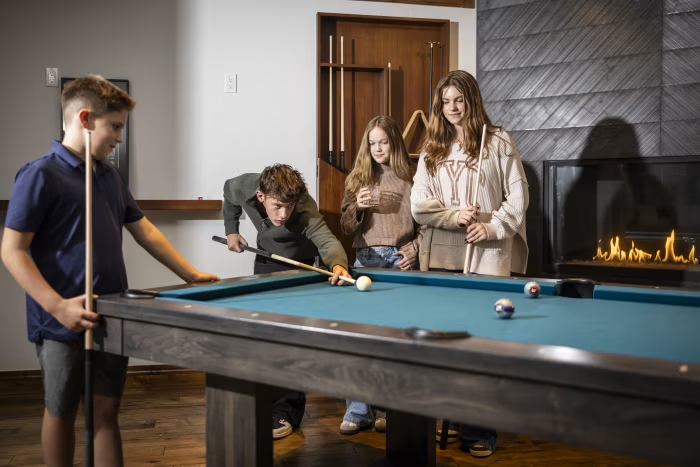
For America’s wealthiest families, luxury real estate is becoming about more than enormous mansions, breathtaking views and expensive interiors. Affluent parents are increasingly investing millions of dollars in elaborate home renovations and exclusive entertainment facilities in an effort to persuade their grown-up children to return home more often.
From private bowling alleys and indoor swimming pools to wellness spas, gaming rooms and sports courts, wealthy homeowners are transforming their properties into private family resorts. Their goal is simple: create homes so attractive and entertaining that adult children, grandchildren and their friends will want to spend more time there.
The trend reflects a changing relationship between wealth, family life and luxury housing. As younger generations move to different cities, pursue careers and establish independent households, parents are finding that even the most impressive properties cannot guarantee regular family gatherings. Rather than accepting increasingly occasional visits, some are redesigning their homes around the interests and lifestyles of their adult children.
According to a report by The Wall Street Journal, affluent homeowners are spending substantial sums on personalised amenities designed to make family properties more appealing. Some have introduced elaborate entertainment spaces, while others have invested in recreational facilities that turn ordinary family visits into holiday-like experiences.
These developments are changing the traditional definition of a luxury home. For decades, prestigious properties were judged primarily by their location, architectural design, square footage and market value. Today, entertainment, shared experiences and multigenerational living are becoming increasingly important considerations.
For architects and interior designers, the shift is creating demand for more flexible residential spaces. Homeowners want properties that provide privacy for adult children while offering communal areas where several generations can comfortably spend time together. Guest suites, outdoor kitchens, private cinemas, swimming pools and sports facilities are becoming part of a broader lifestyle-focused approach to luxury housing.
However, expensive amenities do not always guarantee the desired results. Some families discover that their children are more interested in simple experiences, such as fishing trips, outdoor activities or spending relaxed time together, than in elaborate entertainment rooms. This highlights a fundamental challenge for wealthy parents: financial investment can improve a property, but it cannot manufacture emotional connections.
The movement also reflects changing priorities in the high-end property market. As children leave home, some wealthy homeowners reconsider whether maintaining enormous family estates is worthwhile. Others are choosing to renovate rather than relocate, creating spaces that can accommodate adult children, grandchildren and extended family members for longer visits.
For the luxury real estate industry, this presents an opportunity to develop properties that offer more than visual appeal. Buyers are increasingly interested in homes that support family relationships, personal interests and shared lifestyles. The emphasis is shifting from simply owning an impressive mansion to creating an environment that encourages people to return.
Ultimately, the growing trend reveals an unusual contradiction of modern wealth. Affluent parents can spend millions building private entertainment complexes, designing spectacular guest suites and installing almost any luxury amenity imaginable. Yet the one thing they cannot purchase is their children’s time.
As family structures and lifestyles continue to evolve, the most desirable luxury homes may not necessarily be the largest or most expensive. Instead, they may be the properties that successfully bring generations together. For wealthy parents, the greatest measure of a successful home may no longer be its market price, but how often the family comes back through its doors.









+ There are no comments
Add yours