






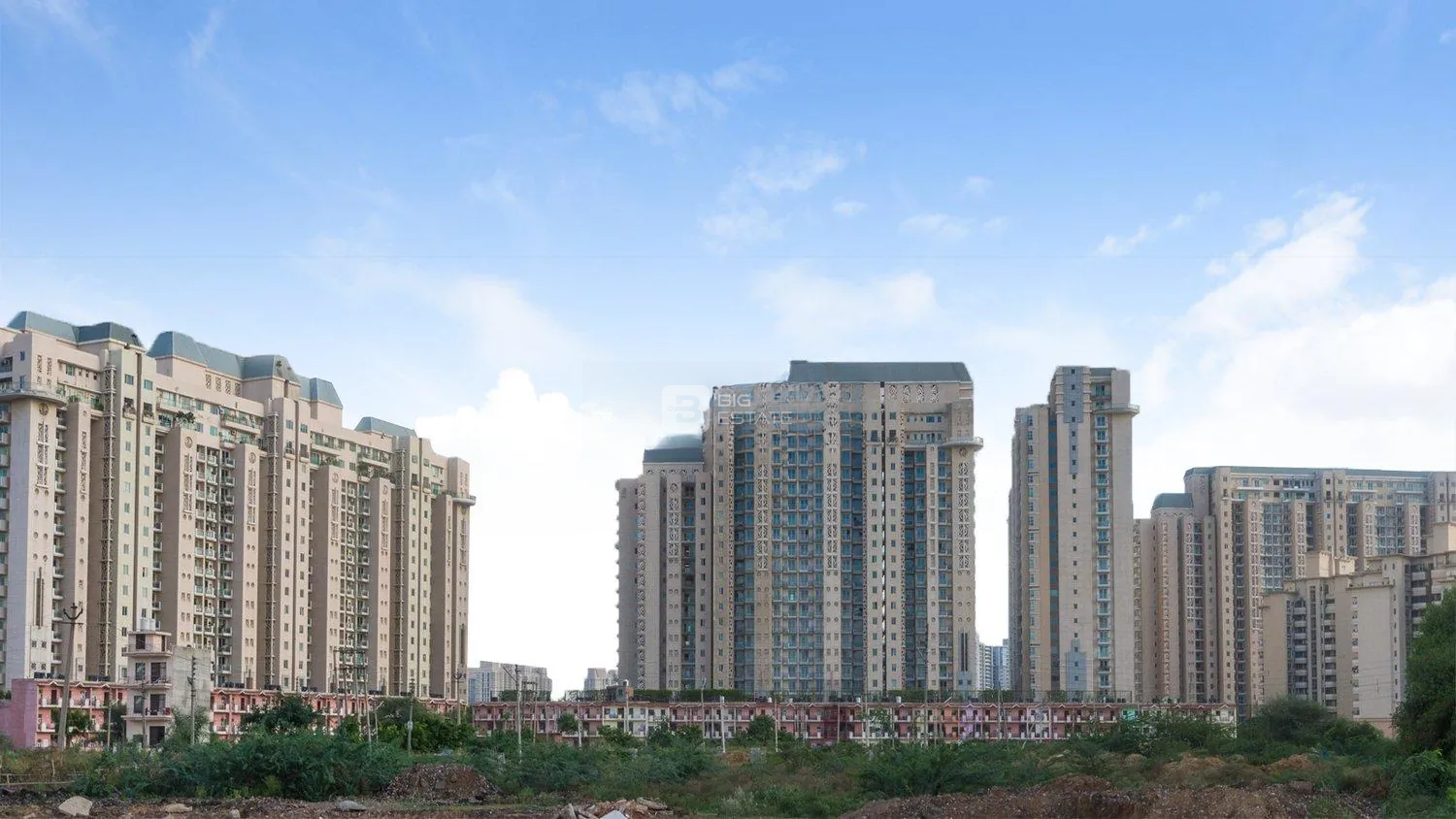
Once celebrated as one of India’s fastest-growing luxury property markets, Gurugram is facing growing scrutiny over the quality of its residential developments, as homeowners increasingly report a troubling gap between expensive housing promises and the reality of everyday living.
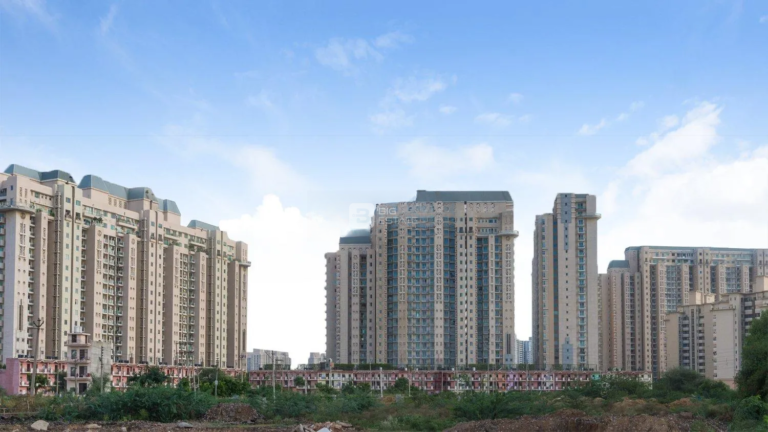
Behind the city’s impressive skyline of glass-fronted towers, premium apartments and high-end residential complexes, a series of infrastructure and construction-related concerns is raising questions about whether the rapid expansion of its real estate market has come at the expense of residents.
The latest concern emerged after inspections by the Haryana State Pollution Control Board found that sewage treatment plants at 11 of 16 inspected residential societies had failed compliance tests. The authorities warned of corrective action, possible shutdowns and environmental compensation against societies that failed to meet prescribed standards.
The findings have intensified concerns about basic infrastructure inside residential communities, particularly the treatment and disposal of wastewater. Officials said the inspection campaign was launched following complaints about untreated sewage entering drainage systems.
The problems extend beyond sewage management. Several homebuyers have also raised concerns about residential projects receiving Occupancy Certificates (OCs), official documents intended to confirm that buildings are fit for occupation, despite essential facilities remaining incomplete.
In August, an investigation by The Indian Express highlighted housing societies where residents were reportedly struggling with inadequate electricity, water connections, unfinished roads and missing promised amenities despite receiving occupancy clearances. In one development, residents described relying on water tankers and diesel generators to meet basic household needs.
Structural safety has also become a growing concern. In October, incidents involving residential buildings tilting and developing cracks in Gurugram renewed questions about construction practices and the potential risks posed by excavation work on neighbouring plots. In one case, families were evacuated as a precaution.
Meanwhile, the city’s infrastructure continues to struggle with rapid urbanisation. Heavy rainfall regularly exposes weaknesses in drainage networks, leaving roads submerged, traffic paralysed and residential neighbourhoods difficult to access.
For property buyers, the contradiction is becoming increasingly difficult to ignore. Apartments in Gurugram are marketed as premium investments, often featuring luxury amenities, modern architecture and promises of an elevated lifestyle. Yet residents in some developments say they are still fighting for reliable water, electricity, sanitation and safe access roads.
The situation also raises broader questions about regulatory oversight, construction standards and accountability among developers and civic authorities.
Gurugram remains an important destination for India’s corporate workforce and property investors. However, its long-term real estate appeal may increasingly depend on something more fundamental than architectural design or luxury marketing: whether developers can deliver safe, completed and properly serviced homes.
For thousands of homebuyers who have invested their savings in the city’s booming property market, the definition of luxury is becoming simpler a home that is actually ready to live in.






+ There are no comments
Add yours