







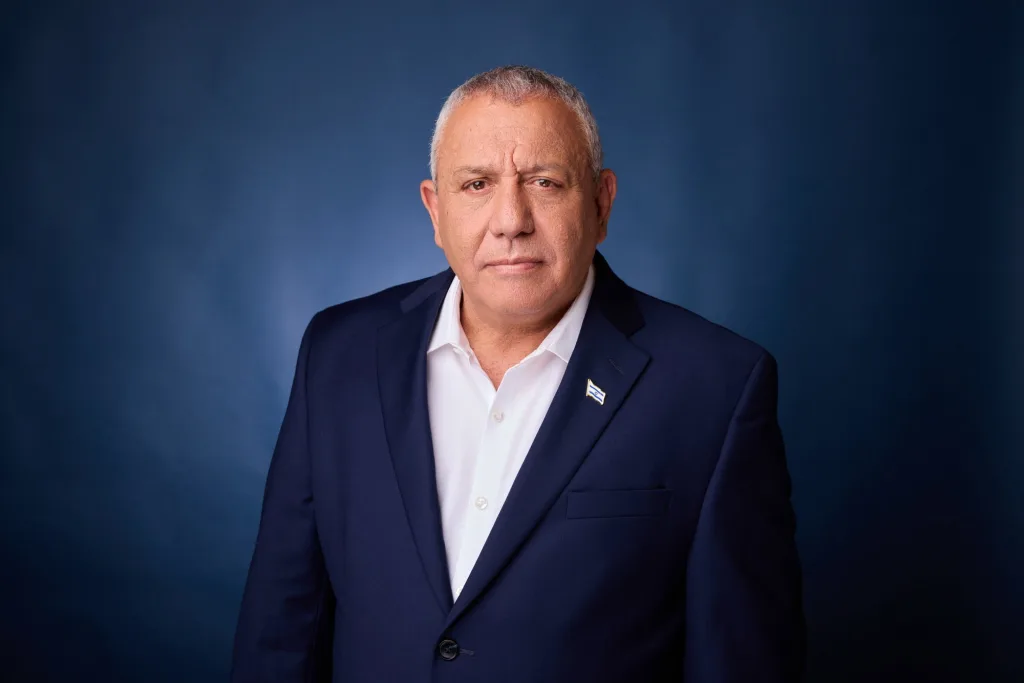
Israel has entered a critical political phase after President Isaac Herzog tasked opposition leader Gadi Eisenkot with forming a new coalition government, following an election that left the country’s parliament divided and no political bloc with enough seats to govern independently.
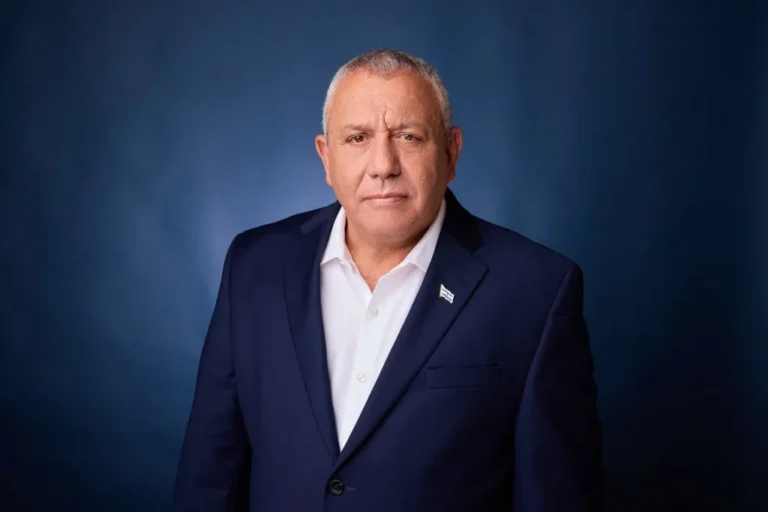
Eisenkot, a former military chief and leader of the centrist Yashar party, now has 28 days to negotiate with rival political groups and assemble a parliamentary majority. The deadline could be extended by an additional 14 days if necessary, giving him more time to overcome the complicated political divisions exposed by last week’s election.
The decision came after Herzog held consultations with political parties represented in the Knesset, Israel’s 120-member parliament. Neither Eisenkot’s opposition bloc nor Prime Minister Benjamin Netanyahu’s right-wing alliance secured the 61 seats required to form a majority government.
Netanyahu’s Likud party, together with its far-right and ultra-Orthodox Jewish allies, secured 53 seats. Eisenkot’s Yashar party and three other Jewish opposition parties collectively won 48 seats, leaving both major political camps short of the numbers needed to govern.
The election also produced a significant breakthrough for Arab political representation. Two Arab-led alliances, the United Arab List and the Joint List, secured a combined 19 seats following an unprecedented increase in turnout among Arab voters.
Their parliamentary strength could prove decisive in determining Israel’s next government. However, coalition negotiations are expected to face serious obstacles because nearly all Jewish parties had pledged before the election not to cooperate with Arab-led parties in forming a government.
Responding to Herzog’s decision, Eisenkot called for the creation of a national emergency government, signalling his intention to pursue a broader political arrangement rather than simply relying on the traditional opposition alliance.
“Now is the time to form a national emergency government. I will do everything to ensure we are worthy,” he wrote on social media platform X.
The negotiations could become one of the most complicated coalition-building exercises in Israel’s recent political history. Eisenkot must convince parties with differing ideological positions to work together while addressing disagreements over security, national policy and the country’s political future.
For Netanyahu, the outcome represents a major challenge to his political position after years of dominance in Israeli politics. Although his alliance finished with a substantial parliamentary presence, its failure to secure a majority has opened the door for an alternative government.
Israel’s political future now rests on the ability of Eisenkot to build alliances across a deeply divided parliament. If he succeeds, the country could witness a major shift in political leadership. If negotiations collapse, the uncertainty surrounding the formation of a stable government could deepen.
The coming weeks will determine whether Israel moves towards a new political direction or remains trapped in another prolonged struggle over power.





+ There are no comments
Add yours