





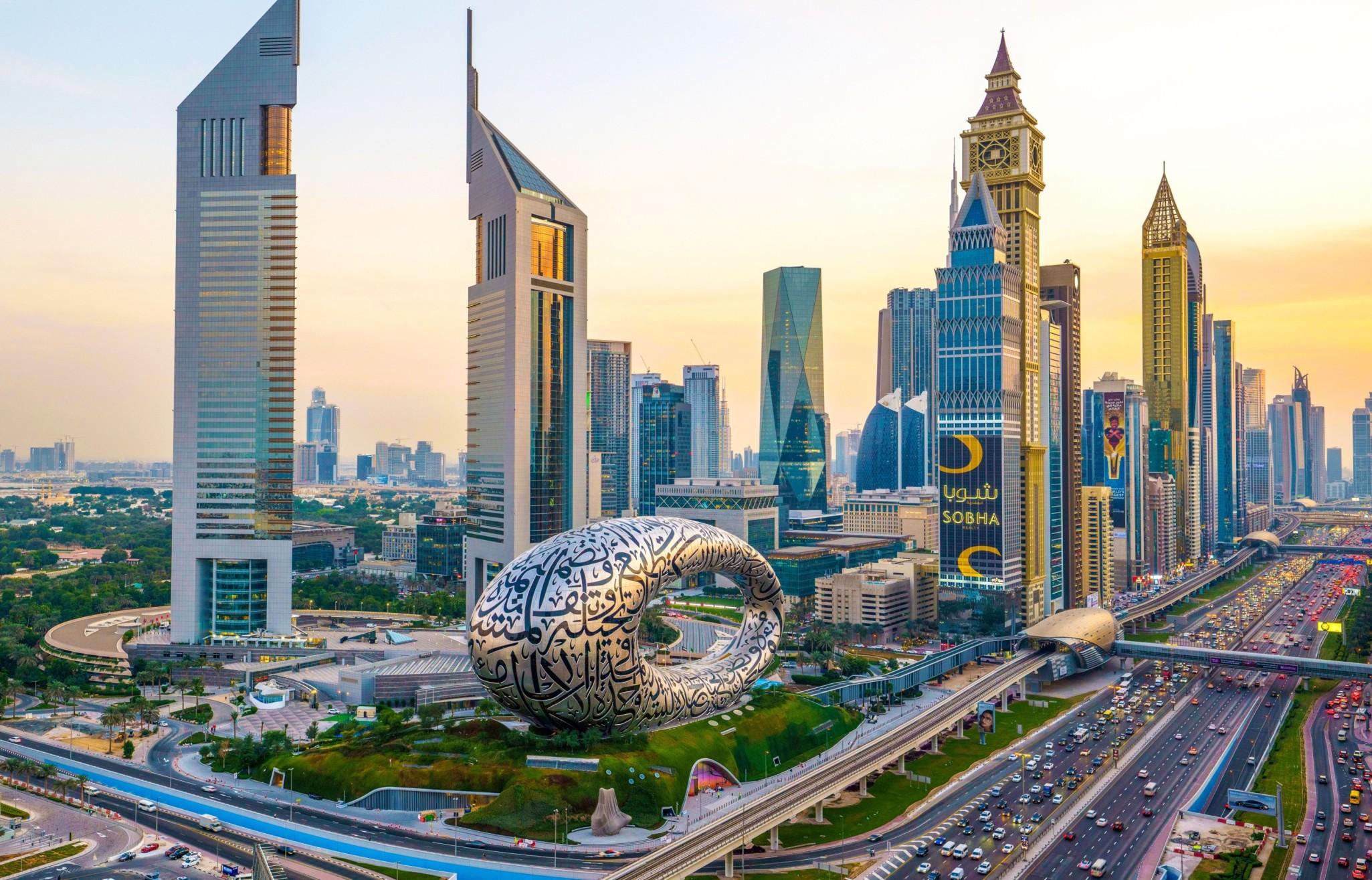
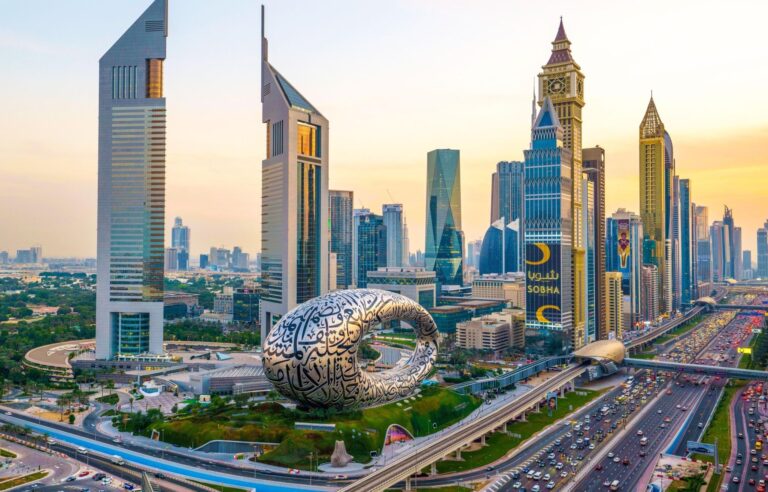
Dubai has transformed itself into one of the world’s most closely watched real-estate markets, where glass towers, waterfront residences and sprawling master-planned communities have become symbols of a city built around global capital. For international property investors, the attraction goes beyond luxury. Dubai offers a combination of connectivity, infrastructure, business activity and a relatively investor-friendly property environment that continues to draw buyers from around the world.
At the heart of Dubai’s appeal is its international position. Located between Europe, Asia and Africa, the emirate has developed into a major aviation, tourism, trade and financial hub. Its airport connections and growing business ecosystem allow property investors to look at real estate not simply as a place to own a home, but as part of a wider international lifestyle and investment strategy.
The market has also benefited from Dubai’s large and diverse residential offering. From high-rise apartments in Downtown Dubai and waterfront homes along the Palm Jumeirah to villas in newer suburban communities, investors can choose between established districts and rapidly developing areas. Developers have increasingly introduced projects designed around lifestyle amenities, including private beaches, wellness facilities, restaurants, retail spaces and landscaped public areas.
Another factor is the emirate’s growing population and continued inflow of professionals, entrepreneurs and international residents. Population growth creates demand for housing, while Dubai’s tourism industry supports a substantial short-term accommodation market. These dynamics have made rental income an important consideration for many property owners, although returns vary significantly by location, property type, purchase price and market conditions.
Government policies have also played a role. Dubai permits foreign ownership in designated freehold areas, while long-term residency programmes can provide additional incentives for eligible investors and property owners. The regulatory framework has developed considerably as the property market has expanded, giving international buyers greater access to the sector.
Yet Dubai is not without risks. Property prices can move sharply during market cycles, competition between new developments can be intense, and investors must consider service charges, financing costs, vacancy periods and changing supply.
Still, Dubai’s real-estate story reflects something larger than a property boom. It is the story of a city continually reinventing itself and using real estate as one of the principal engines of that transformation. For global investors, Dubai remains a market where property, business and lifestyle increasingly intersect.





+ There are no comments
Add yours