







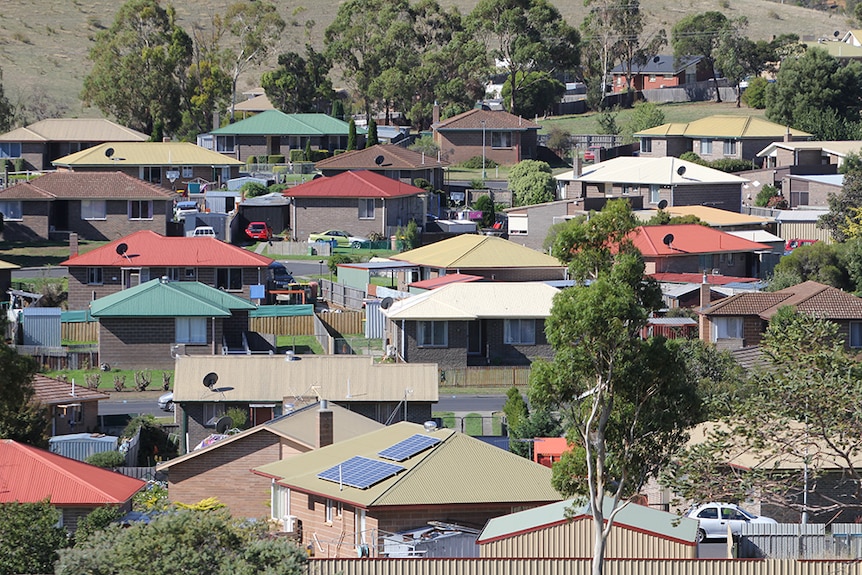
Australia is facing growing concerns over housing affordability as property prices continue to outpace household incomes, raising fears that homeownership could become increasingly out of reach for younger generations and more Australians could spend much of their lives renting.
A new global housing affordability index has ranked Australia among the world’s leading “forever renter” nations. The country placed 15th among 39 OECD countries, with property prices rising almost 22% faster than household incomes since 2015. The gap was the sixth largest among the comparable countries included in the analysis.
The figures highlight a growing divide between the cost of buying a home and the ability of ordinary households to afford one. Around 31.7% of Australian households currently rent, while homeownership stands at about 62.7%. Renters spend a median 23.1% of their disposable income on housing, according to the index.
The affordability challenge is particularly visible in Australia’s major cities. Government housing data shows that the median transfer price for established houses in Sydney climbed from about A$680,000 in early 2014 to roughly A$1.4 million by the end of 2024. Apartment prices have also increased substantially over the same period.
For prospective buyers, the problem is not limited to purchase prices. The time needed to save a deposit has also increased. Australia’s National Housing Supply and Affordability Council reported in 2026 that the estimated time required to save for a mortgage had reached 11.2 years, while servicing a new mortgage required 45.9% of median household income.
Rental affordability remains difficult as well. Research from realestate.com.au found that a typical Australian household earning the median income could afford only 37% of advertised rentals during the second half of 2025, matching the lowest level recorded in the report.
The growing reliance on renting is reshaping how Australians think about housing, family finances and long-term security. For many younger people, buying a home is no longer simply a question of saving enough—it can depend on location, family assistance and access to increasingly expensive credit.
Australia’s housing challenge therefore extends beyond property prices. It raises a broader question about whether homeownership will remain a realistic goal for future generations or whether long-term renting will become the new normal for millions of Australians.









+ There are no comments
Add yours