






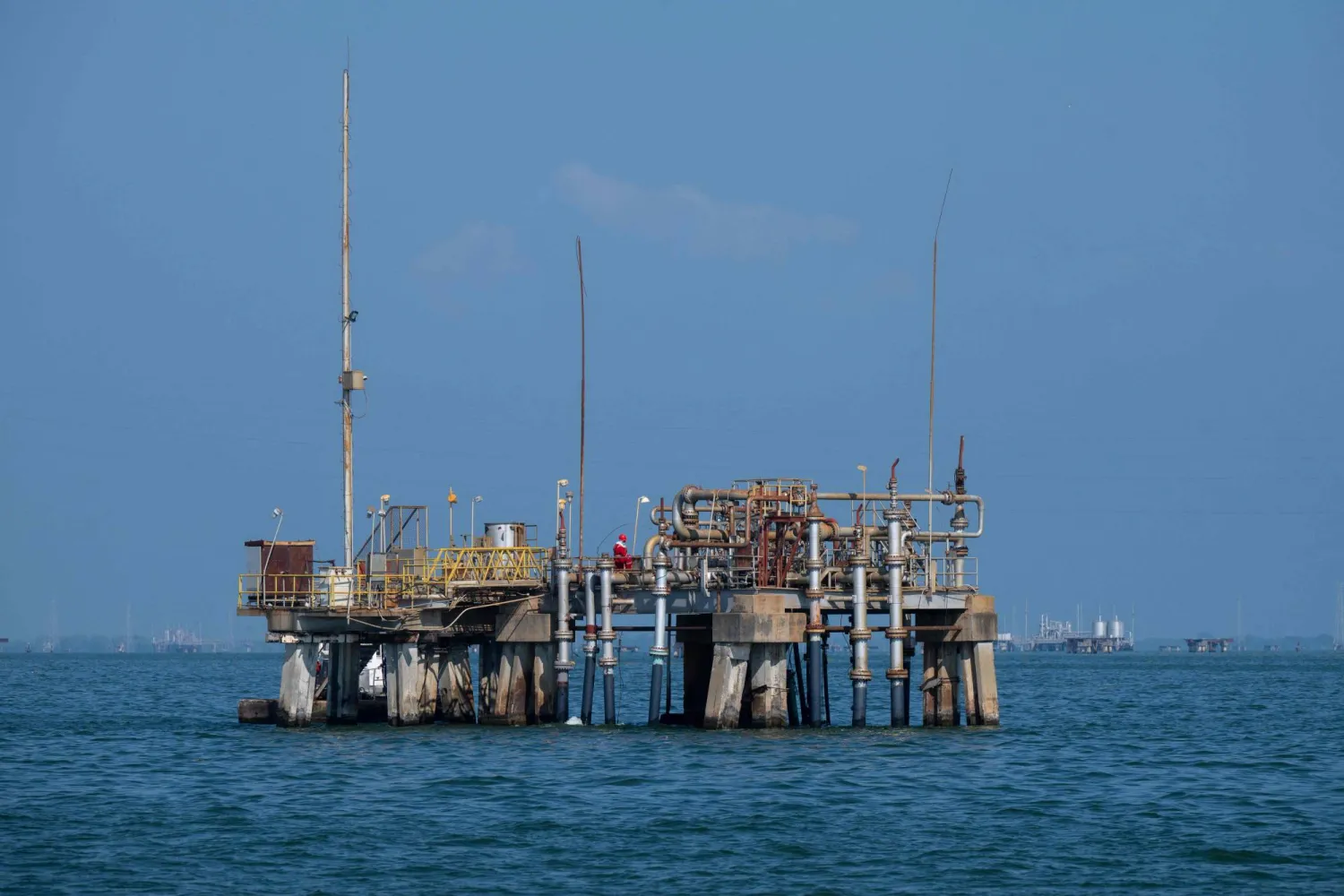
Recovering Middle East exports and expectations of excess global supply are putting pressure on crude markets, even as tanker attacks threaten one of the world’s most important oil shipping routes.
Global oil prices slipped on Tuesday, November 17, as growing expectations of an international supply surplus outweighed mounting concerns over attacks on oil tankers and energy infrastructure in the Gulf. The latest decline highlights a striking shift in the energy market: despite continuing geopolitical tensions, traders are increasingly focusing on the possibility that the world could soon have more oil than it needs.
Brent crude futures fell by 44 cents, or 0.5%, to $92 per barrel, while US West Texas Intermediate (WTI) crude dropped by the same amount to $85.28 per barrel. The decline came as recovering oil exports from the Middle East strengthened expectations that global supplies could exceed demand during the final quarter of 2026.
The International Energy Agency (IEA) has warned that the global oil market is heading towards a supply surplus in the fourth quarter, as Middle Eastern exports recover faster than worldwide consumption. The changing outlook has encouraged traders to reconsider the risks that previously pushed prices higher.
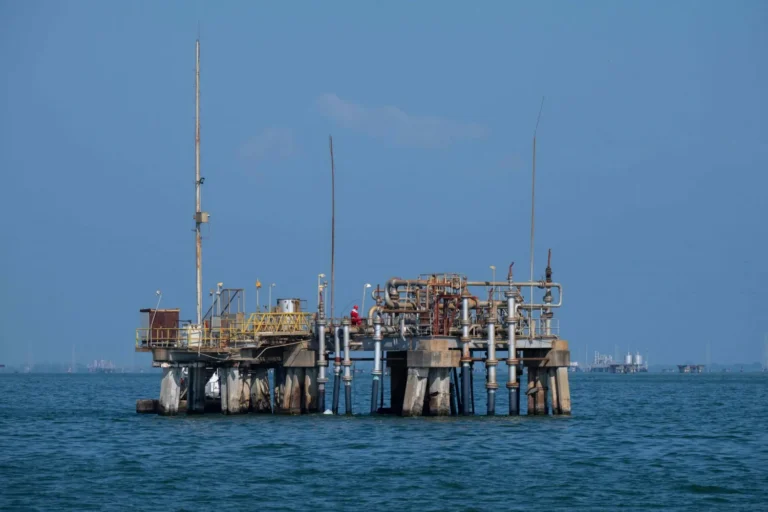
However, the situation remains far from stable. Attacks on commercial vessels and energy infrastructure across the Gulf have continued to threaten the movement of crude oil through the strategically important Strait of Hormuz. The narrow waterway is one of the world’s most critical energy corridors, connecting major oil-producing nations with international markets. Any serious disruption could trigger fresh supply fears and send prices climbing again.
Analysts believe geopolitical risks have not disappeared but are currently taking a back seat to expectations of stronger supply. The market is increasingly balancing concerns about regional security against the possibility of recovering production and exports.
Meanwhile, the Organization of the Petroleum Exporting Countries (OPEC) is reviewing the maximum sustainable production capacity of its members, a process that could influence future production quotas. The wider OPEC+ alliance is scheduled to meet on November 29 to discuss its oil production policy for 2027.
Another concern is the declining level of emergency crude reserves in the United States. According to government data, the country’s Strategic Petroleum Reserve fell to 276.4 million barrels last week, its lowest level since August 1982.
For consumers, businesses and governments, falling crude prices could eventually offer some relief from expensive energy, transportation and production costs. However, cheaper oil is far from guaranteed as long as shipping routes remain vulnerable to conflict.
The global oil market is now caught between two powerful forces: the promise of abundant supplies and the danger of geopolitical disruption. Whether prices continue falling or suddenly reverse direction may depend on how quickly Middle Eastern exports recover and whether tensions in the Gulf escalate further.





+ There are no comments
Add yours