






Thousands of garment workers take to the streets demanding a dramatic pay increase, exposing the growing struggle between workers’ survival, factory owners’ financial pressures and the future of one of the world’s largest clothing export industries.
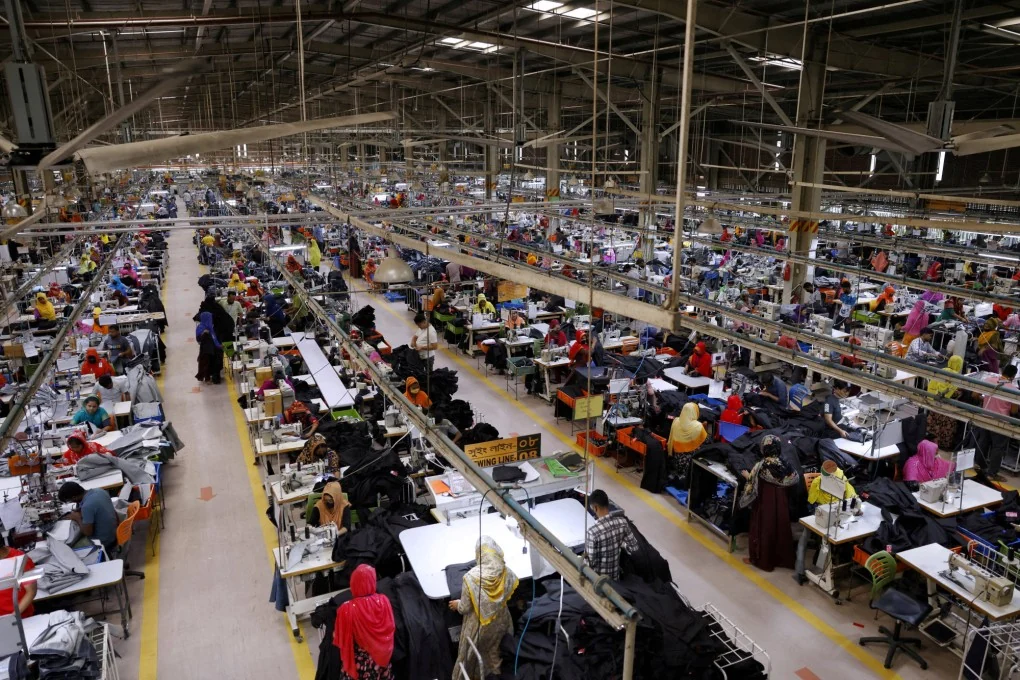
Bangladesh’s powerful garment industry is facing fresh turmoil after nearly 150 factories were forced to shut down following widespread workers’ strikes demanding higher wages. The protests have brought production to a standstill across major industrial centres, including Savar, Ashulia and Gazipur, highlighting the growing economic pressure on millions of workers who say their salaries are no longer enough to survive.
At the centre of the unrest is a demand that has placed factory owners and workers on opposite sides of an increasingly tense confrontation. Employees are calling for a minimum monthly wage of 30,000 taka, compared with the existing minimum of 12,500 taka. They argue that soaring living expenses, rising food prices, housing costs and everyday necessities have made their current earnings increasingly inadequate.
The frustration spilled onto the streets on Sunday when protesters blocked the Dhaka-Tangail highway in Gazipur, bringing traffic to a standstill for approximately an hour. The demonstration underscored the growing anger among workers and the potential for further disruption if negotiations fail to produce a breakthrough.
Bangladesh’s garment sector is far more than an industrial success story. It is the backbone of the country’s export economy, employing approximately four million people and generating nearly $40 billion in annual export earnings. Its factories supply clothing to major international retailers and fashion brands, making Bangladesh one of the world’s most important manufacturing destinations.
However, behind the industry’s enormous export figures lies a workforce facing difficult economic realities. For many garment workers, the struggle is not about luxury or improved living standards but about meeting basic household expenses, supporting families and maintaining a reasonable standard of living.
Factory owners, meanwhile, are warning that prolonged unrest could seriously damage production schedules, disrupt international shipments and undermine confidence among overseas buyers. The garment industry operates within highly competitive global supply chains, where delays can result in cancelled orders, financial penalties and the loss of future business.
The growing confrontation also presents a challenge for Bangladesh’s economic stability. Any prolonged interruption to garment production could affect export revenues, employment and the country’s position in the international clothing market.
The crisis exposes a difficult question facing the global fashion industry: can an export-driven business model remain competitive while millions of workers struggle to earn enough to live?
As factories remain caught between mounting wage demands and commercial pressures, Bangladesh faces an urgent test of its ability to protect workers’ livelihoods without undermining one of its most important economic engines. The outcome could have consequences reaching far beyond its industrial districts, affecting international retailers, global supply chains and the future of affordable fashion.






+ There are no comments
Add yours