




Facing a bruising electoral setback at home and fresh espionage allegations threatening US-China relations, Donald Trump embarks on a crucial Asian diplomatic mission that could reshape global power politics, technology competition and international security.
US President Donald Trump is heading into one of the most politically sensitive diplomatic journeys of his presidency, with mounting pressure at home and escalating tensions abroad threatening to overshadow his high-profile visit to Asia. A Republican setback in the November midterm elections and a controversial Chinese espionage scandal have transformed what was initially expected to be a relatively low-key diplomatic engagement into a closely watched test of American leadership.
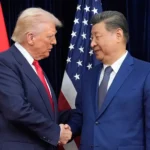
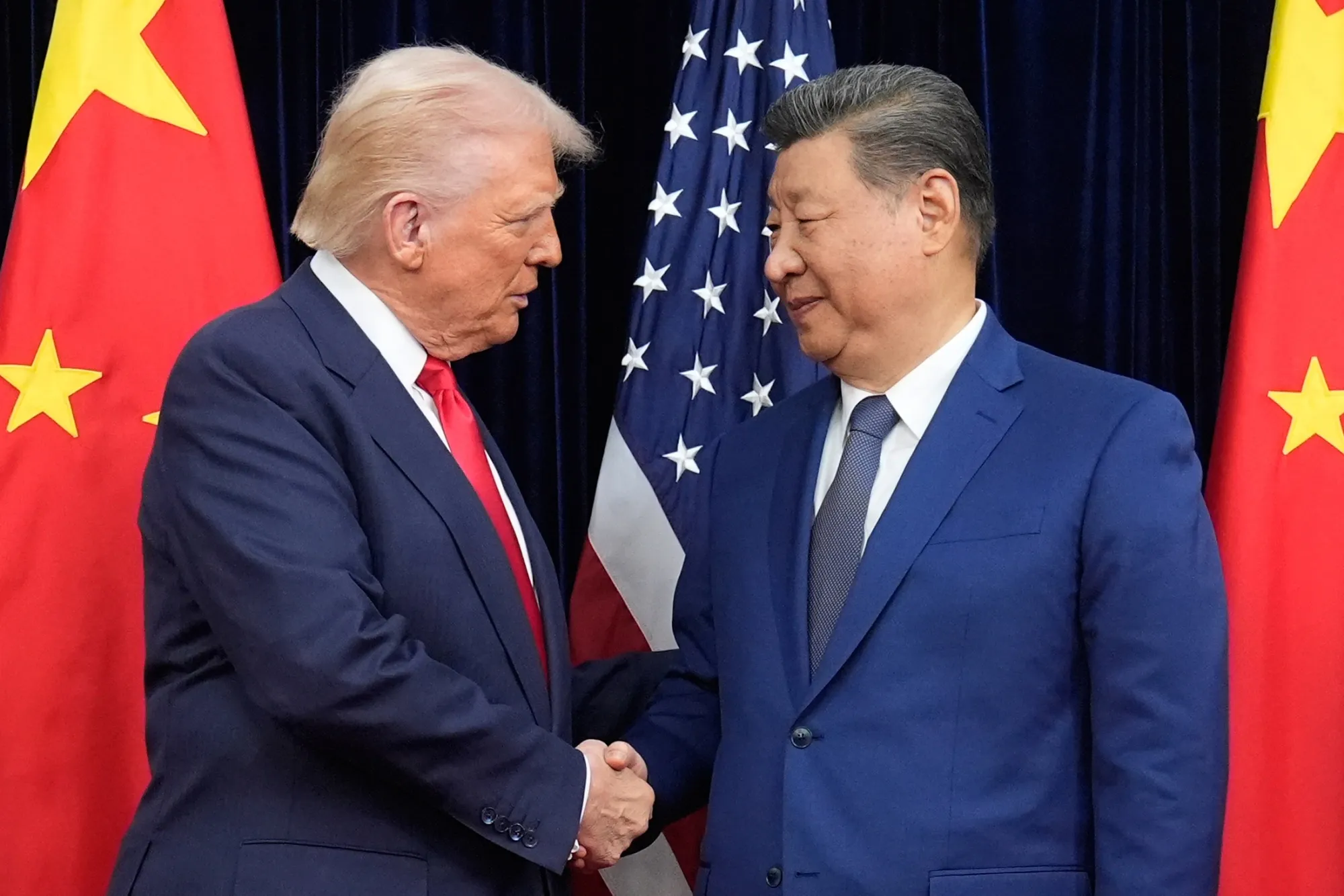
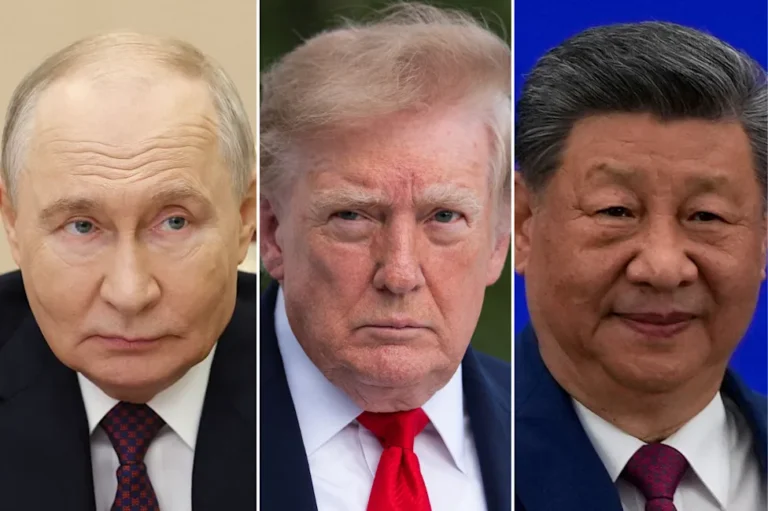
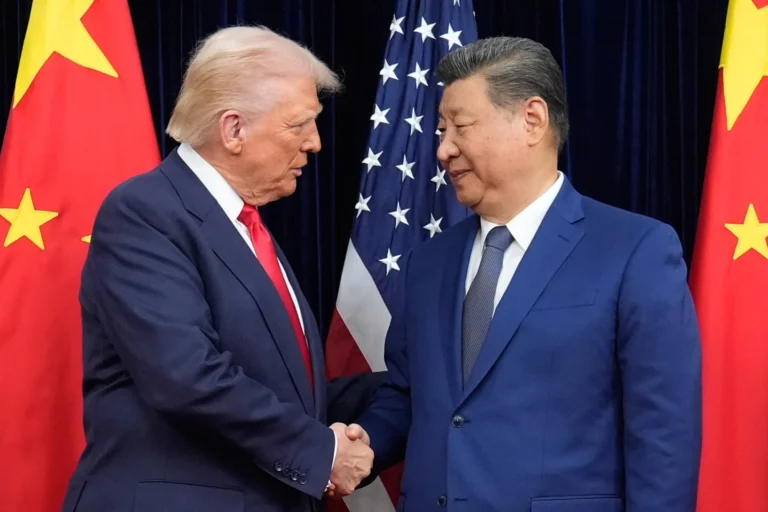
Trump is scheduled to visit Manila on Tuesday for meetings with Southeast Asian and other regional leaders before travelling to Shenzhen, China, for the Asia-Pacific Economic Cooperation (APEC) forum. There, he is expected to meet Chinese President Xi Jinping and participate in unprecedented three-way discussions involving Russian President Vladimir Putin.
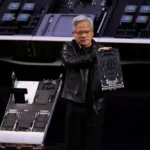
The timing could hardly be more complicated. Trump’s Republican Party has suffered a significant midterm defeat, weakening his political position and raising questions about the administration’s ability to maintain its domestic agenda. At the same time, allegations involving Nvidia chief executive Jensen Huang and a suspected Chinese spy have intensified scrutiny of Washington’s approach to national security and sensitive technology exports.
The controversy has fuelled concerns in Washington over whether restricted semiconductor technology could have reached Chinese customers, potentially strengthening Beijing’s technological capabilities. China has rejected the espionage narrative, accusing the United States of using such allegations to justify restrictions on its technology sector.
The political fallout could make Trump’s discussions with Xi considerably more difficult. US lawmakers are already pushing for tighter controls on China’s access to advanced semiconductor technology, while Democrats are preparing to exercise greater congressional influence when they take control of both chambers in January.
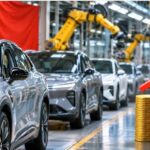
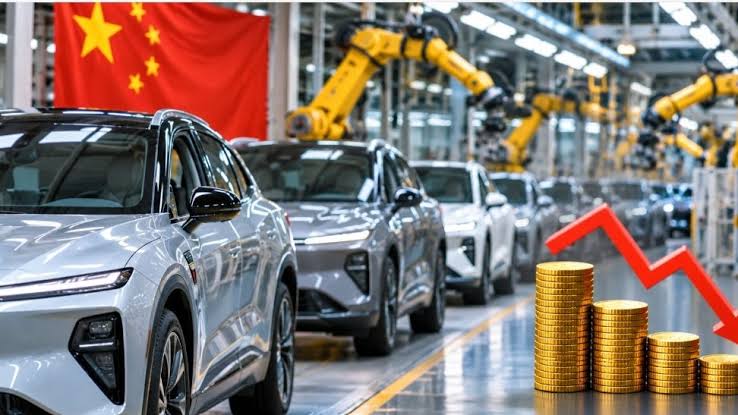
Beyond the technology dispute, the leaders face a delicate economic challenge. A fragile trade truce between Washington and Beijing remains in place, but disagreements over tariffs, market access and strategic competition continue to threaten relations between the world’s two largest economies.
For Xi, the meeting offers an opportunity to protect China’s economic interests and prevent Washington from escalating its pressure. For Trump, it could become an opportunity to demonstrate diplomatic strength despite growing political difficulties at home.
The proposed discussions with Putin add another extraordinary dimension to the visit. Nuclear arms control, geopolitical tensions and the possibility of renewed diplomacy involving North Korea could feature among Trump’s ambitions, although major differences between Washington, Moscow and Beijing remain.
The stakes extend far beyond the meeting rooms. Governments across Asia will be watching closely to determine whether Washington remains committed to regional security and whether Trump’s administration can balance its relationship with Beijing without destabilising trade and diplomatic ties.
As Trump arrives in Asia, he carries more than a diplomatic agenda. He faces a test of political credibility, international influence and his ambitions to shape the global order. The outcome could determine whether this journey becomes a breakthrough in great-power diplomacy or another chapter in an increasingly dangerous era of international rivalry.






+ There are no comments
Add yours