






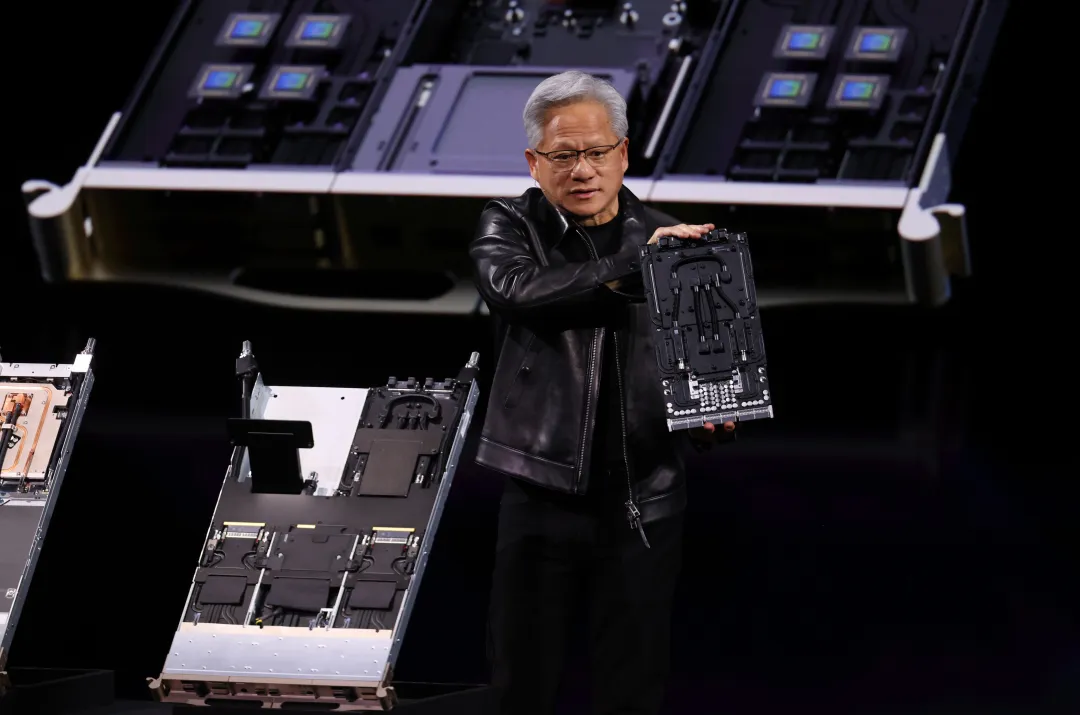
A new study has raised fresh questions about China’s access to advanced artificial intelligence technology after finding evidence that Chinese AI companies, including DeepSeek and Moonshot AI, used Nvidia’s powerful Blackwell graphics processing units (GPUs) to train sophisticated AI models despite strict US export restrictions.
The findings, published by nonprofit research group Unemployment Labs, led by former OpenAI researcher Will DePue, have reignited concerns over the effectiveness of Washington’s efforts to limit China’s access to cutting-edge semiconductor technology.
Nvidia’s Blackwell chips are among the world’s most advanced AI processors, designed to handle the enormous computing demands involved in developing and training powerful artificial intelligence systems. Their performance has made them highly sought after by technology companies competing in the global AI industry.
However, the United States has imposed restrictions preventing the export of these advanced processors to China as part of a broader strategy to protect its technological advantage and limit Beijing’s access to computing capabilities that could have military as well as commercial applications.
The study’s findings raise an important question for policymakers and the global technology business community: how are Chinese companies gaining access to hardware that they are prohibited from purchasing directly?
One possibility attracting attention is the use of overseas computing infrastructure, where restricted chips could potentially be accessed through data centres outside mainland China. However, the specific routes through which the companies allegedly obtained access require further verification.
The development could have significant implications for Nvidia, one of the world’s most influential semiconductor companies. China has historically represented an important market for the US chipmaker, but export restrictions have complicated its business opportunities in the country.
For the wider semiconductor industry, the issue highlights the growing difficulty of enforcing technology restrictions in an increasingly interconnected global economy. Advanced computing equipment can be deployed across international data centres, creating complex challenges for regulators attempting to control where powerful AI technology is used.
The allegations also arrive at a time when Chinese AI developers are rapidly strengthening their positions in the global market. Companies such as DeepSeek have attracted international attention by developing competitive AI models, intensifying competition with American technology giants.
If the study’s findings are confirmed, they could trigger renewed debate in Washington over export enforcement, international technology partnerships and the future of the global AI supply chain.
As the United States and China continue competing for leadership in artificial intelligence, access to advanced chips is becoming more than a business issue. It is increasingly a question of economic influence, technological security and global power.








+ There are no comments
Add yours