





A proposed diplomatic formula linking Ukraine’s withdrawal from the eastern Donbas region to NATO membership has sparked fresh questions over sovereignty, security and the future of Europe’s bloodiest conflict in decades.
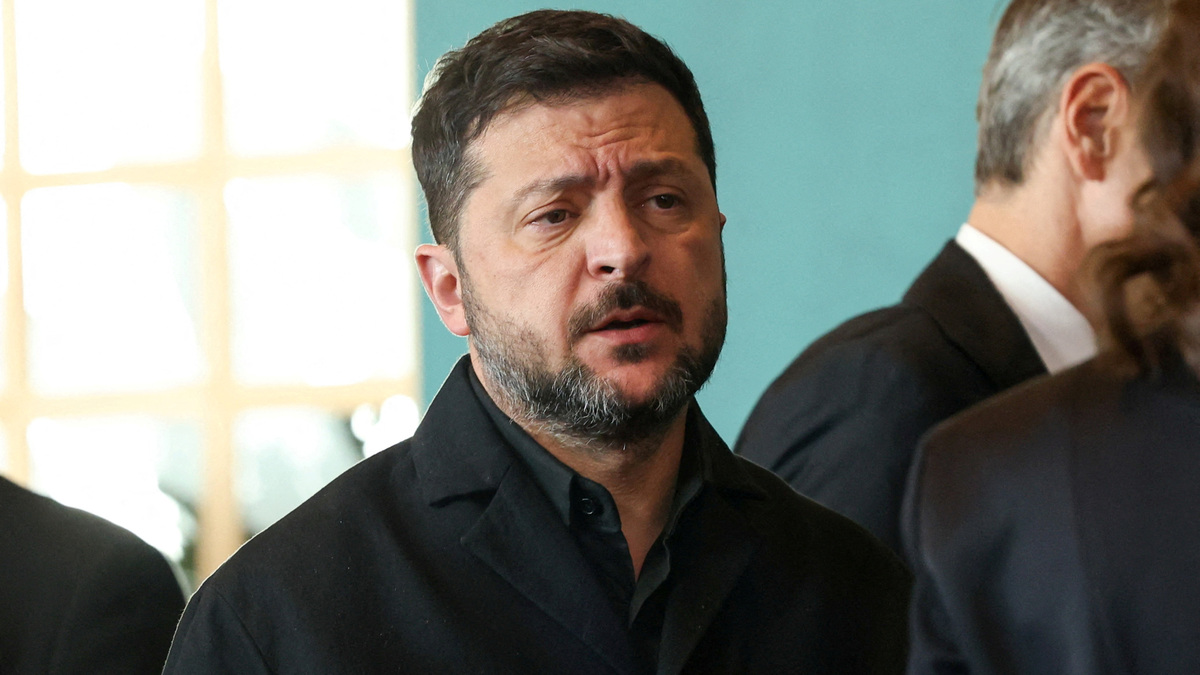
A dramatic new possibility has emerged in international efforts to end the war in Ukraine, after President Volodymyr Zelensky revealed that US negotiators had raised the prospect of Kyiv surrendering its remaining positions in the eastern Donbas region in exchange for NATO membership.
The proposal, described by Zelensky as the first time such an idea had been raised directly, could represent a significant shift in diplomatic discussions surrounding the conflict. However, it also presents Ukraine with an extraordinarily difficult choice: accept territorial concessions in return for stronger Western security guarantees or continue resisting any settlement that compromises its sovereignty.
Speaking about the discussions, Zelensky said the Americans had posed a direct question: what if Ukraine joined NATO but withdrew from Donbas?
The Ukrainian president stressed that any potential agreement would need to include meaningful security guarantees, freedom for Ukraine to maintain its military capabilities and financial support for rebuilding the country. He indicated that if a concrete proposal met these conditions, he would be prepared to put it before Ukrainian voters in a referendum.
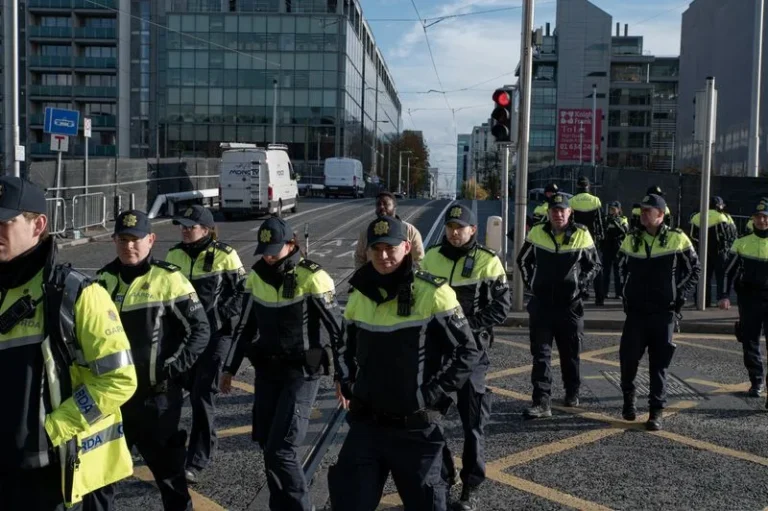
The comments followed diplomatic meetings involving US envoys Jared Kushner and Steve Witkoff, who travelled to Moscow for discussions with Russian President Vladimir Putin before meeting Zelensky in Dublin, Ireland.
Washington has not officially confirmed the specific proposal described by the Ukrainian leader. A US official told the BBC that numerous ideas continued to be discussed, adding that any final agreement would require the consent of both parties.
The Donbas region, comprising Donetsk and Luhansk, has been at the centre of the conflict between Russia and Ukraine. Moscow currently controls large parts of the industrial territory, which holds considerable strategic and economic importance. Ukraine, however, has repeatedly rejected the idea of voluntarily surrendering internationally recognised sovereign land.
Russia launched its full-scale invasion of Ukraine in February 2022, triggering a devastating war that has reshaped European security, displaced millions of people and drawn sustained international attention.
For Kyiv, NATO membership has long represented a pathway towards lasting protection against future Russian aggression. Yet the alliance’s expansion has repeatedly faced opposition from Moscow, which has strongly objected to Ukraine joining the military organisation.
The latest diplomatic discussions therefore expose the enormous complexity of negotiating peace. While NATO membership could offer Ukraine a powerful security framework, withdrawing from Donbas would carry profound political, military and emotional consequences for a country that has spent years defending its territory.
The question is whether a peace agreement built around territorial concessions can deliver lasting stability or simply create another source of future conflict.
As Washington continues exploring possible ways to end the war, Zelensky faces one of the most consequential diplomatic challenges of his presidency. Any agreement will not only shape Ukraine’s future but could also redefine the balance of power across Europe for generations.


+ There are no comments
Add yours