







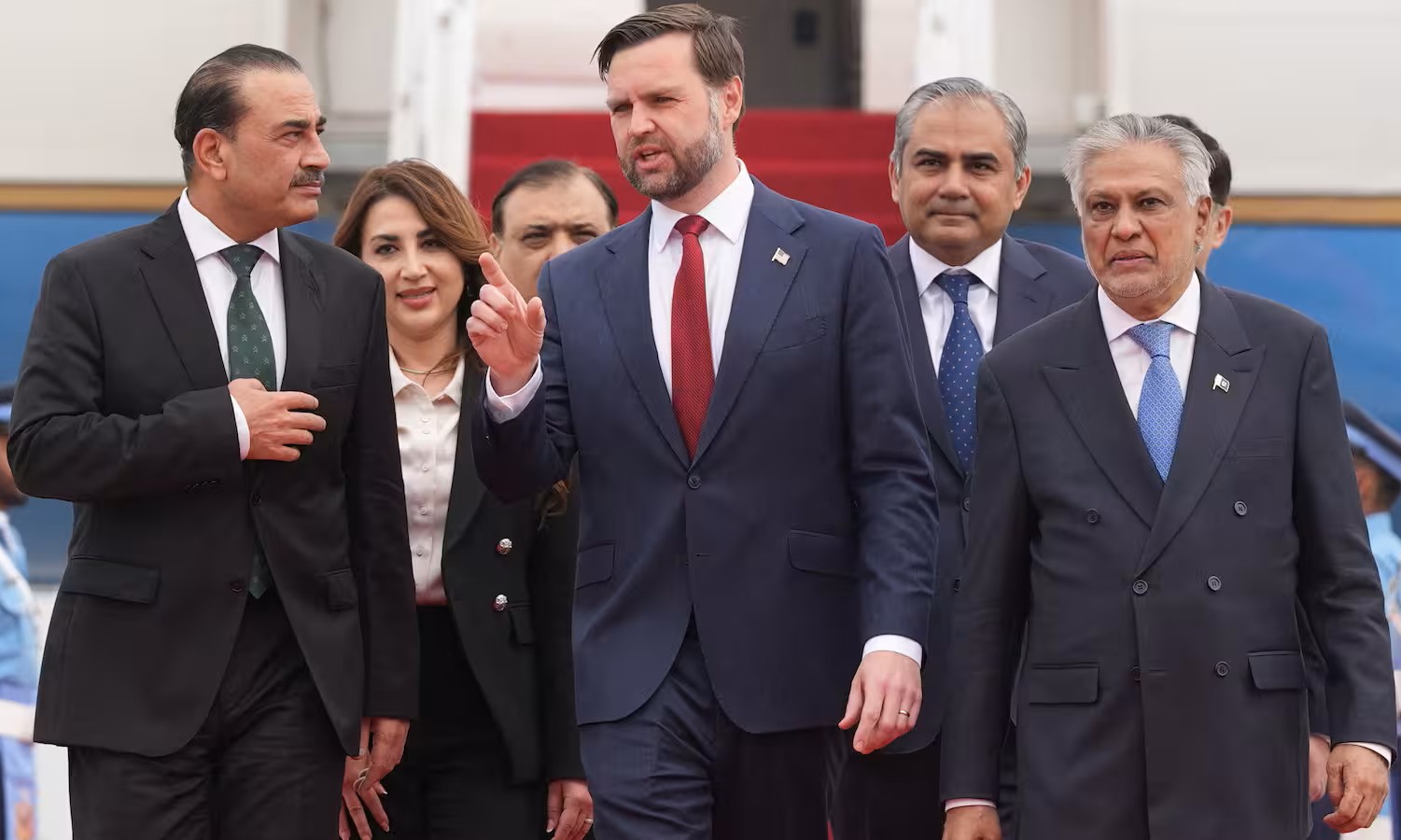
The first round of negotiations between the United States and Iran aimed at securing a comprehensive agreement to end months of regional tensions has concluded with what mediators described as “encouraging progress.” Representatives from both countries met in Lucerne, Switzerland, for high-level discussions focused on establishing a framework for a lasting peace deal and addressing key security concerns in the Middle East.
The talks followed an initial agreement reached last week and marked the first major step toward a broader settlement. Mediators Qatar and Pakistan announced that a High Level Committee had agreed on a roadmap designed to achieve a final deal within the next 60 days. According to a joint statement, technical discussions will continue throughout the week as negotiators work through complex political and security issues.
One of the central topics of discussion was the Strait of Hormuz, a strategically vital waterway through which a significant portion of the world’s oil supply passes. Mediators revealed that both sides agreed to establish a direct communication mechanism aimed at preventing misunderstandings and ensuring the safe passage of commercial vessels through the region.
Negotiators also discussed elements of a potential nuclear agreement, a long-standing source of tension between Washington and Tehran. A US diplomat involved in the talks said discussions were focused on clarifying Iran’s recent statements regarding the reopening of the Strait of Hormuz and the implementation of ceasefire commitments in neighboring Lebanon.
While the atmosphere surrounding the negotiations appeared positive, challenges remain. The initial agreement reached last week included commitments to end hostilities across multiple fronts, including Lebanon, and to reduce regional instability. However, recent days have witnessed renewed violence in southern Lebanon, where clashes between Hezbollah and Israeli forces have intensified.
Lebanese health officials have reported dozens of casualties following Israeli air strikes, including women and children, raising concerns that ongoing conflict could undermine diplomatic efforts. The renewed violence highlights the fragile nature of the current situation and the difficulties negotiators face in translating diplomatic commitments into realities on the ground.
Despite these obstacles, mediators expressed optimism that the talks had established a constructive foundation for future discussions. With technical teams continuing their work and a 60-day timeline now in place, both sides face growing pressure to transform early momentum into a lasting agreement capable of reducing tensions and promoting stability across the region.








+ There are no comments
Add yours