






From traditional Japanese tea ceremonies to fashionable cafés, beauty routines and social media trends, matcha is transforming the way a new generation thinks about food, wellness and everyday living.
A vibrant green drink with centuries of history is taking the world by storm. Once deeply rooted in Japanese culture and traditional tea ceremonies, matcha has evolved into one of the most recognisable lifestyle trends of the modern era. From luxury cafés in London and Paris to trendy coffee shops in New York, Seoul and Singapore, the finely powdered green tea is capturing the attention of consumers who are increasingly looking for experiences that combine flavour, wellness and visual appeal.
What was once considered a carefully prepared traditional beverage has become a global symbol of contemporary lifestyle culture. Matcha lattes, iced green tea drinks, matcha-flavoured desserts and even beauty-inspired products are appearing everywhere, transforming the humble tea powder into a multimillion-dollar international trend.
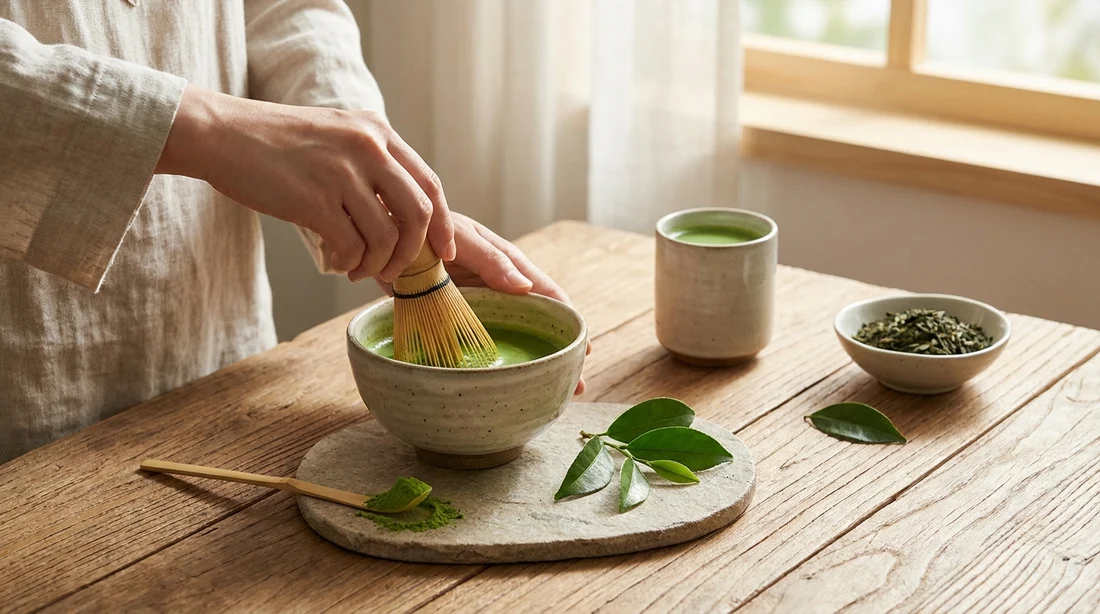
But matcha’s appeal is about much more than its striking green colour. Its history stretches back centuries, with its roots closely connected to Japanese tea culture and Zen Buddhist traditions. Prepared by whisking finely ground green tea powder with hot water, traditional matcha drinking is associated with mindfulness, simplicity and appreciation of the present moment.
That philosophy is finding a new audience in a world increasingly dominated by fast-paced routines and digital distractions. For many younger consumers, preparing or enjoying a matcha drink has become a small daily ritual, offering a moment of calm amid busy schedules.
Its nutritional reputation has also helped fuel its popularity. Matcha contains naturally occurring antioxidants, including catechins, as well as caffeine and the amino acid L-theanine. These compounds have attracted interest from people seeking alternatives to conventional coffee. However, nutrition experts caution that matcha is not a miracle health drink, and its benefits depend on overall diet and lifestyle.
The café industry has played a major role in bringing matcha into mainstream culture. Baristas are experimenting with coconut milk, oat milk, vanilla, strawberries and other ingredients to create colourful drinks that appeal to adventurous customers. Matcha has also moved beyond beverages, finding its way into cheesecakes, pastries, chocolates, ice creams and breakfast recipes.
Social media has accelerated the phenomenon. Its distinctive emerald colour makes it instantly recognisable in photographs and videos, while lifestyle influencers have helped turn matcha preparation into an aesthetic experience. What people once discovered through traditional tea culture is now being introduced to millions through short videos, café reviews and food photography.
However, the worldwide enthusiasm is creating challenges for producers. High demand for quality Japanese matcha is putting pressure on supplies, while growers must balance increasing production with the time and care required to cultivate premium tea leaves. Concerns about authenticity and quality are also becoming more important as cheaper alternatives enter international markets.
Despite these challenges, matcha’s popularity reflects a broader shift in consumer behaviour. People are increasingly interested in products with cultural heritage, distinctive identities and a connection to mindful living.
From a centuries-old Japanese tradition to a fashionable global phenomenon, matcha has travelled an extraordinary journey. Its success demonstrates that sometimes the biggest lifestyle trends do not emerge from something entirely new, but from rediscovering the value of traditions that have existed for generations. And for millions of people around the world, that discovery now begins with a simple cup of green tea.









+ There are no comments
Add yours