







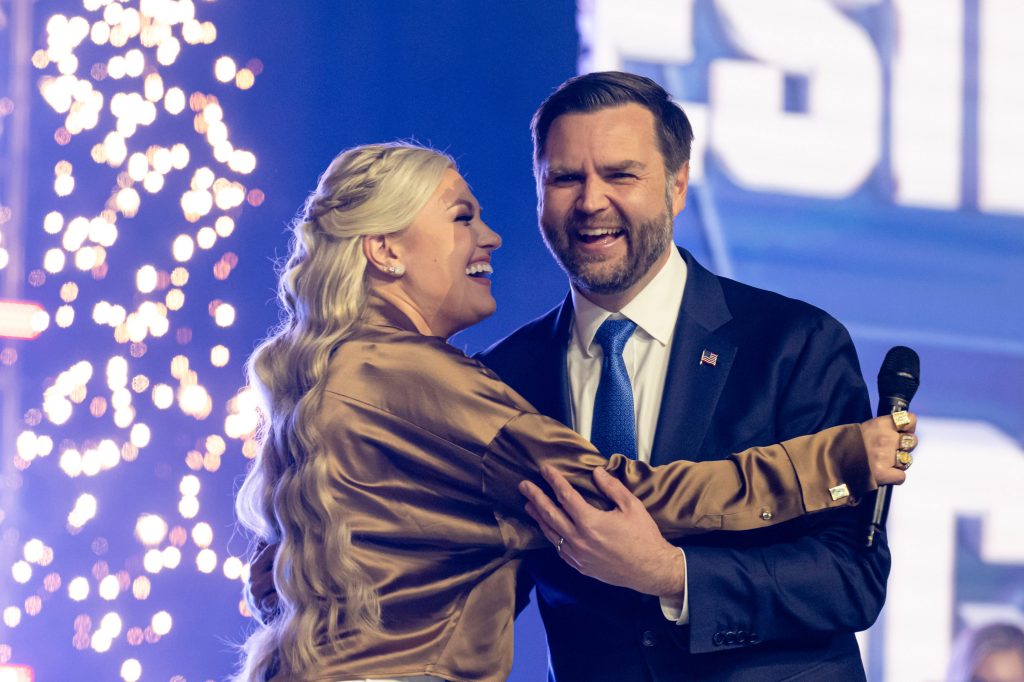
In a moment of pronounced tension within the Republican Party, Vice President JD Vance delivered a defining speech at Turning Point USA’s AmericaFest 2025 that sought to temper escalating infighting among conservatives. Facing a weekend marked by heated debate over antisemitism and ideological boundaries within the GOP, Vance emphatically rejected “purity tests” and urged unity over internal conflict—a message aimed at positioning the party for future electoral success beyond Donald Trump’s presidency.
GOP Antisemitism Debate Takes Center Stage
Turning Point USA’s annual AmericaFest, held this year in Phoenix, became the stage for a growing schism within the Republican movement. At issue was how to handle controversial figures associated with antisemitic rhetoric, notably far-right podcaster Nick Fuentes and others whose language and views have alarmed mainstream observers and some conservative leaders alike.
Before Vance spoke, prominent conservative voices such as Ben Shapiro openly criticized what they view as the normalization of extremist commentary, accusing certain media figures of trafficking in conspiracism and dishonesty. Meanwhile, commentators like Tucker Carlson dismissed the notion of a GOP “civil war,” framing the discord as exaggerated by media and political rivals.
Vance’s Message: Rejecting Purity Tests
In his closing remarks, Vance steered away from taking specific aim at any individual figures or factions. Instead, he argued against ideological “purity tests” that could fracture the broader conservative coalition.
“President Trump did not build the greatest coalition in politics by running his supporters through endless, self-defeating purity tests,” Vance declared, drawing applause from the crowd. He added that Republicans should prioritize building the movement and advancing shared goals rather than “canceling each other.”
Vance’s remarks underscored his belief that the party should be open to all who “love America,” regardless of background or controversy—a broad, inclusive framing meant to appeal to a wide swath of the GOP base.
Unity Over Internal Conflict
Beyond rejecting purity tests, Vance’s speech focused on unity and the need to stay focused on political priorities rather than internal disputes. He warned that intense internal conflict could weaken the GOP’s influence and effectiveness, especially as it contemplates a future without Trump at the helm.
Vance also emphasized accomplishments and policy goals of the Trump administration, including border security, economic measures, and efforts to curtail diversity, equity, and inclusion (DEI) programs—framing these as shared victories that should unite rather than divide.
Broader Context: GOP Identity Crisis
The speech came amid a period of introspection for the Republican Party. With former President Donald Trump ineligible to run in 2028 due to constitutional constraints, GOP leaders are already contemplating the party’s direction. Turning Point USA’s leadership, including Erika Kirk, has signaled strong support for Vance as a leading figure in that future, boosting his political stature and positioning him as a potential successor to Trump.
This internal jockeying reflects deeper strategic questions: should the GOP double down on populist, America-First themes, or moderate its approach to broaden appeal? And how should the party handle controversial voices that test its boundaries on issues like antisemitism, free speech, and nationalist rhetoric?
Criticism and Potential Backlash
While Vance’s call for unity may resonate with many in the party, his reluctance to draw firm lines against antisemitic figures has drawn criticism from both sides of the aisle. Some argue that avoiding clear condemnations risks condoning extremist viewpoints and undermines efforts to distance the GOP from fringe elements. Others counter that focusing too narrowly on ideological purity could alienate key segments of the conservative base.
Looking Ahead: Political Implications
Vance’s speech is likely to have long-lasting implications for GOP dynamics in the coming years. By rejecting purity tests, he signals a strategy centered on broad inclusivity and coalition building—one that may play well in a general election setting but could also sow complexity within the party’s internal power structures.
As the Republican Party continues to grapple with its identity post-Trump and navigate contentious cultural and policy debates, Vance’s emphasis on unity over division will remain a touchstone for discussions about the future direction of conservative politics in America.














+ There are no comments
Add yours