



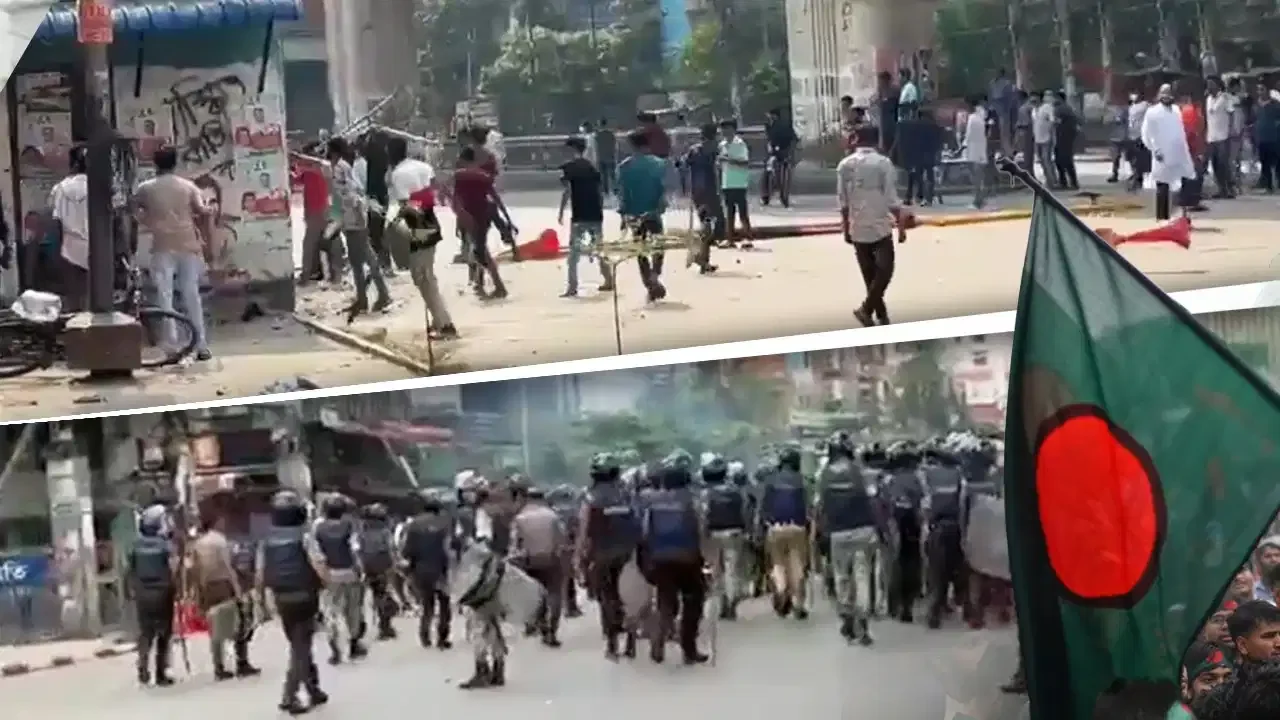
Thousands of workers take to the streets demanding more than double their current salaries, while factory shutdowns, police clashes and political accusations put the country’s powerful garment industry under growing pressure.
Bangladesh is facing mounting labour unrest as thousands of garment workers continue demonstrations demanding a dramatic increase in their monthly minimum wage, turning a long-running economic grievance into a major political and industrial challenge for Prime Minister Tarique Rahman’s government.
Workers are demanding that the minimum monthly salary rise from 12,500 taka to 30,000 taka, arguing that their current earnings are no longer sufficient to cover basic necessities, including food, housing, transportation, healthcare and children’s education. The protests, which began on October 31, have spread across major industrial centres, including Dhaka, Gazipur, Mirpur, Ashulia and Savar.
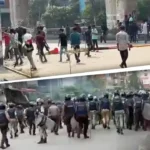
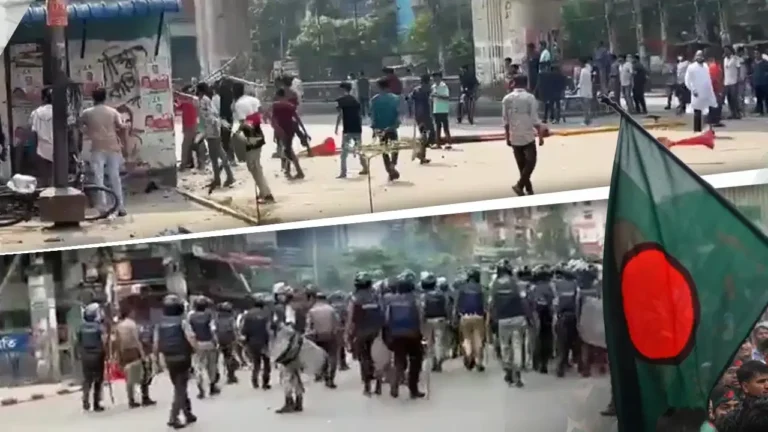
The unrest entered its fourth day on November 3, with demonstrations escalating into clashes between protesters and police. Security forces used tear gas, sound grenades and baton charges to disperse crowds, while reports emerged of vandalised factories, damaged police facilities and blocked highways. More than 100 people were reportedly arrested, and hundreds of factories faced closures or operational disruptions.
For the government, the crisis represents an important test of its ability to balance workers’ demands, industrial stability and Bangladesh’s economic interests. The garment industry employs approximately four million people and generates more than 80 per cent of the country’s export earnings, making any prolonged disruption a serious concern for the national economy.
Prime Minister Tarique Rahman has responded by calling emergency discussions with senior ministers and advisers to address the growing unrest. Labour Minister Ariful Haque Choudhury also cancelled a scheduled visit to the United Arab Emirates to focus on the situation. On November 1, the government established a six-member minimum wage board involving representatives of workers, factory owners and independent members to review the existing salary structure.
The administration has also opened discussions with garment manufacturers and labour representatives. However, the announcement of the wage board has so far failed to convince protesters to end their demonstrations. Labour representatives are pushing for a new wage announcement by December, with implementation from January 2027, while some industry leaders argue that manufacturers need additional time to negotiate higher production costs with international buyers.
The political dimension has added another layer of tension. Government representatives have alleged that supporters of former prime minister Sheikh Hasina and associated political groups are exploiting the unrest to destabilise the country. These allegations have not established that the workers’ wage demands themselves are politically orchestrated, and the underlying economic grievances remain central to the dispute.
Meanwhile, factory owners warn that a sudden increase in wages could threaten businesses already struggling with rising production costs, energy shortages and international competition.
The government’s challenge now extends beyond restoring order on the streets. It must demonstrate that negotiations can produce a credible wage settlement while protecting workers’ rights and maintaining confidence among international clothing buyers.
For millions of garment workers, the demand is about more than a salary increase. It is about whether the people powering one of Asia’s largest export industries can earn enough to live with dignity. The outcome will test the government’s ability to turn political promises and emergency meetings into meaningful economic change.



+ There are no comments
Add yours