







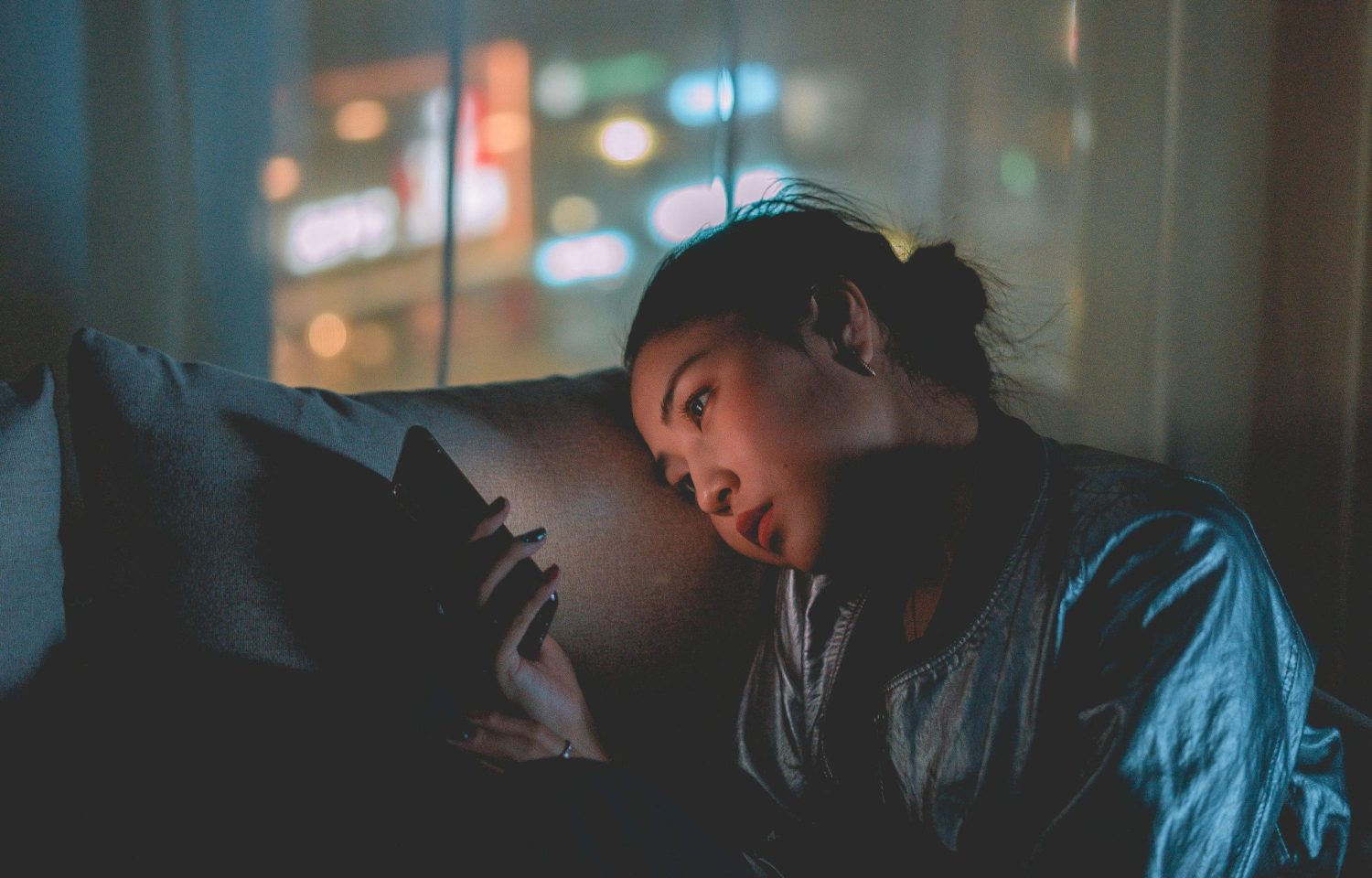
In a world where a single tap can connect people across continents, social media has become an essential part of everyday life. From sharing photographs and personal achievements to communicating with friends, following news and discovering new opportunities, digital platforms have transformed how people interact with one another. However, behind the convenience of instant communication lies a growing concern: are people becoming more socially connected online while feeling increasingly isolated in their real lives?
Social media platforms such as Instagram, Facebook, TikTok and Snapchat have created a digital environment where millions of people share their daily experiences. While these platforms offer opportunities for communication, creativity and self-expression, excessive use can also affect emotional wellbeing, particularly when online interactions begin to replace meaningful relationships and real-world experiences.
One of the biggest concerns is the culture of comparison. People frequently see carefully selected photographs, expensive holidays, attractive appearances, professional achievements and seemingly perfect relationships on their screens. What they often do not see are the difficulties, disappointments and personal struggles behind those images. Constantly comparing ordinary everyday life with someone else’s carefully edited online presence can contribute to feelings of inadequacy, jealousy, low self-esteem and dissatisfaction.
Young people can be particularly vulnerable to these pressures as they develop their identities and relationships. The desire to receive likes, comments and followers can gradually become connected to personal confidence. When online approval becomes an important measure of self-worth, negative comments, exclusion from online groups or a lack of engagement can cause emotional distress. Cyberbullying and online harassment can make these experiences even more damaging.
Another growing concern is the effect of excessive screen time on sleep and daily routines. Many people continue scrolling through social media late into the night, even when they know they need rest. Notifications, endless videos and the fear of missing out can make it difficult to disconnect. Poor sleep can affect concentration, mood, productivity and emotional balance, creating a cycle in which people turn to digital platforms for distraction while feeling increasingly exhausted.
Despite these concerns, social media is not entirely harmful. Digital platforms can provide valuable emotional support, particularly for people who feel isolated or struggle to find communities that understand their experiences. Online mental health awareness campaigns, educational resources and support groups can help individuals access information and connect with others facing similar challenges. For people separated from family and friends by distance, social media can also help maintain meaningful relationships.
The key is understanding the difference between healthy engagement and excessive dependence. Maintaining a balance between online and offline activities can make a significant difference. Setting daily screen-time limits, switching off unnecessary notifications, avoiding phones before bedtime and taking regular digital breaks can help people regain control of their routines. Spending time with family, meeting friends, exercising, enjoying outdoor activities and developing hobbies can also strengthen real-world connections.
Parents, schools and workplaces have an important role in promoting responsible digital habits. Young people should be encouraged to understand that online popularity does not determine their value, appearance does not define their identity and social media content rarely represents the complete reality of another person’s life. Open conversations about cyberbullying, digital pressure and emotional wellbeing can help create safer online environments.
If social media use begins to interfere with sleep, relationships, education, work or emotional wellbeing, seeking guidance from a qualified mental health professional can be helpful. Persistent anxiety, sadness or feelings of isolation should not be dismissed simply as part of modern digital life.
Ultimately, social media should bring people closer, not make them feel less connected to themselves or those around them. Technology can create opportunities for communication, but it cannot replace genuine human understanding, compassion and companionship. In an age when millions of people are constantly connected through screens, perhaps the most important reminder is that meaningful relationships are built not through likes and followers, but through time, attention and real human connection.









+ There are no comments
Add yours