






A massive voter-roll controversy has ignited protests across India, with thousands taking to the streets of New Delhi demanding accountability from election authorities and accusing the ruling government of undermining democratic rights.
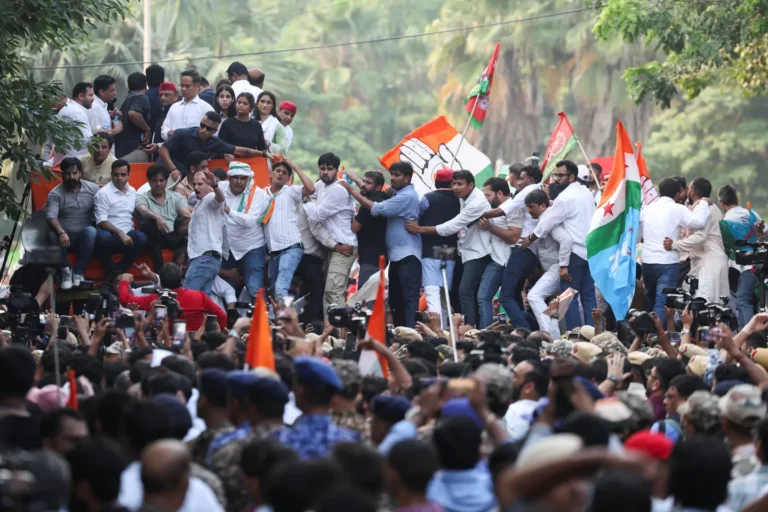
India’s political tensions have intensified after thousands of demonstrators gathered in the capital on Sunday, November 1, in one of the most significant opposition-led protests against Prime Minister Narendra Modi’s government in recent years. At the centre of the growing confrontation is a controversial revision of electoral rolls that has resulted in more than 130 million names being removed from voter lists across the country.
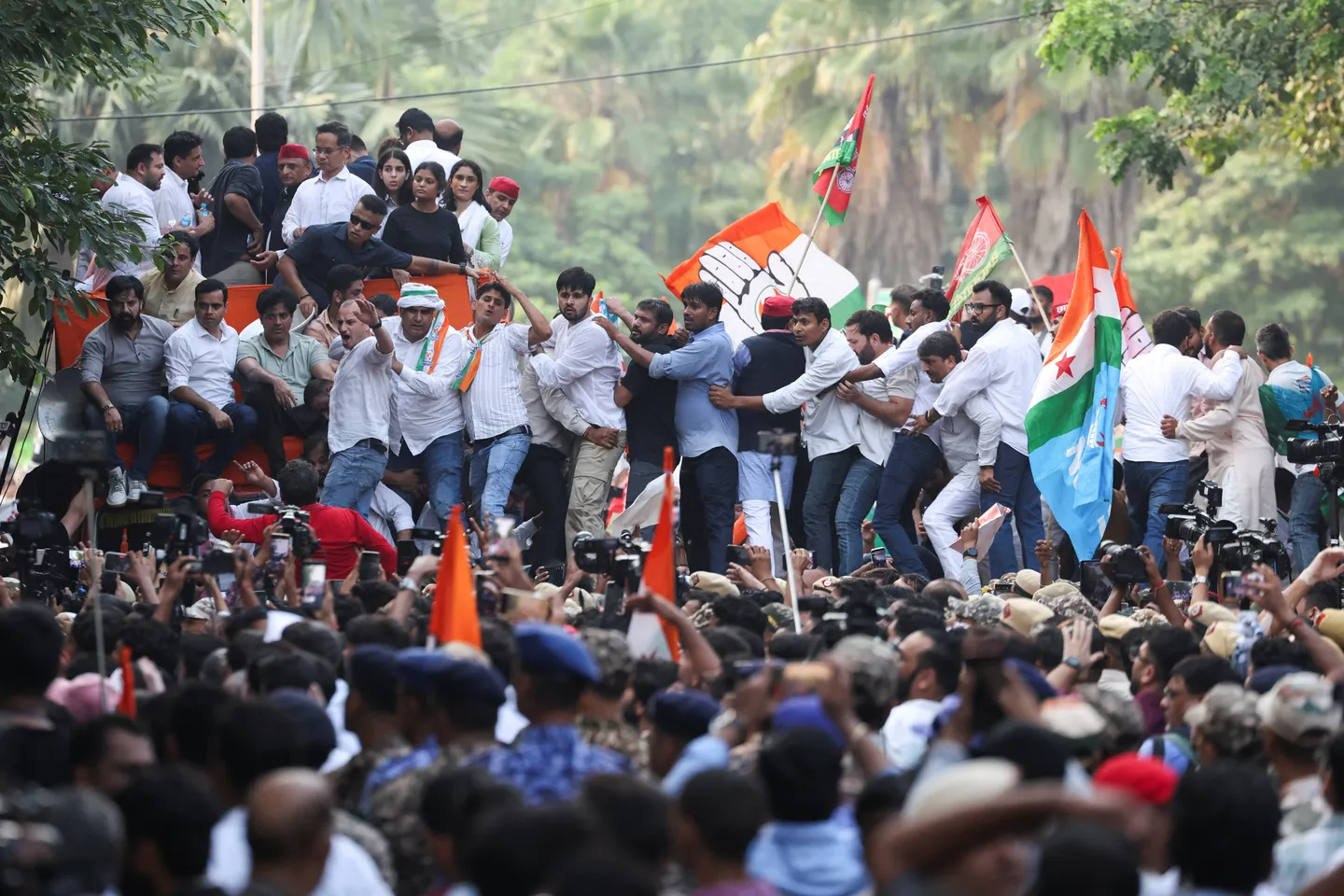
Led by Congress leader Rahul Gandhi, protesters marched towards the historic Ramlila Maidan, demanding the resignation of Chief Election Commissioner Gyanesh Kumar and greater transparency in the electoral process. Demonstrators carried national and party flags, raised slogans and accused the authorities of threatening citizens’ fundamental right to vote.
The scale of the controversy is enormous. The voter-roll revision, known as the Special Intensive Revision (SIR), has removed more than 130 million entries, including approximately 28 million belonging to deceased individuals, 63 million classified as having relocated and 30 million whose whereabouts could not be established, according to reported figures.
Opposition parties allege that the exercise has disproportionately affected Muslims, minorities, women and economically disadvantaged communities. They argue that millions of eligible citizens could face difficulties exercising their democratic rights because of administrative errors, documentation requirements and questionable deletions.
The Election Commission, however, maintains that the revision is intended to remove duplicate, deceased and ineligible entries and improve the accuracy of electoral records. It has rejected accusations of political favouritism and said eligible voters whose names were wrongly removed can apply for re-enrolment. The BJP has also dismissed the opposition’s allegations.
The controversy is now becoming a major political challenge for Modi, who has been in power since 2014. Opposition leaders are attempting to turn public anger over voter registration into a broader campaign about institutional accountability and democratic safeguards.
Rahul Gandhi accused the election authorities of taking away citizens’ political voices and described the deletions as an attack on democratic participation. Meanwhile, senior BJP leader J.P. Nadda dismissed the demonstration as a politically orchestrated attempt to create instability.
The protests have also attracted international attention. Human Rights Watch has criticised the voter-roll revision, describing the exclusions as deeply flawed and warning that vulnerable communities could face serious barriers to political participation.
Security was significantly tightened around the protest venue, with police personnel, riot-control vehicles and traffic restrictions deployed across parts of the capital.
Although the immediate demand is the resignation of the country’s election chief, the political implications extend much further. With the opposition intensifying its campaign and public scrutiny growing, Modi’s leadership faces an important test of political confidence and institutional credibility.
His government remains stable, and the next general election is not scheduled until 2029. Nevertheless, the voter-roll controversy has opened a new front in India’s political battle, raising difficult questions about electoral transparency, public trust and the protection of democratic rights.






+ There are no comments
Add yours