





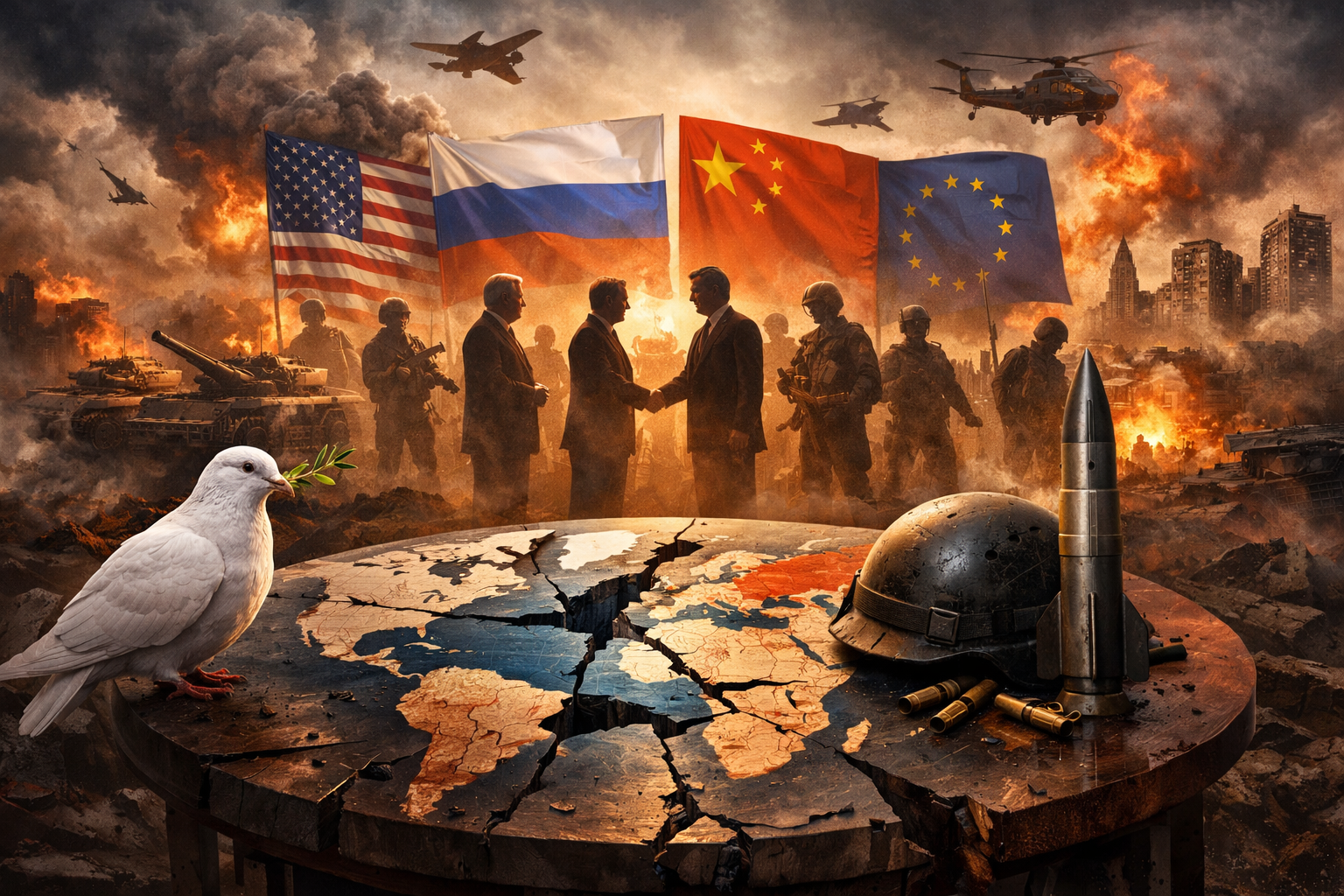
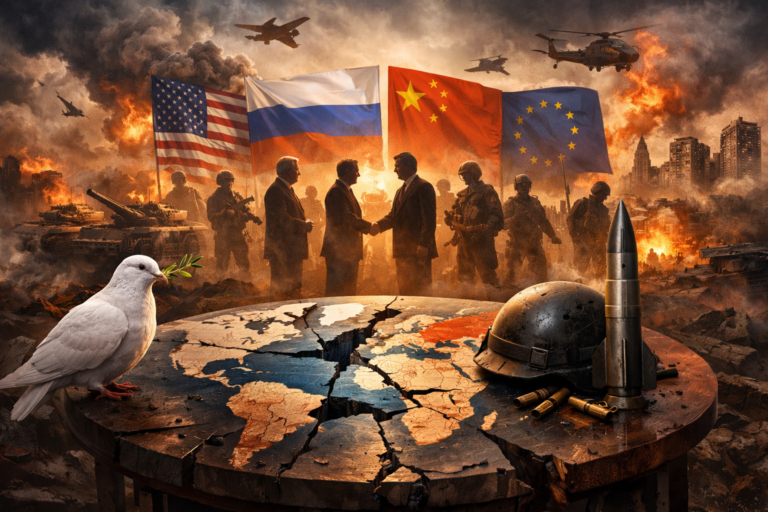
The world is facing a defining moment in political leadership as conflicts, diplomatic disagreements and growing divisions between powerful nations place unprecedented pressure on the international order. From escalating tensions over the wars in Ukraine and the Middle East to disagreements over trade, security and democratic institutions, governments are struggling to find common ground on some of the most pressing challenges of the modern era.
At a time when international cooperation is more important than ever, the ability of world leaders to negotiate, build trust and prevent conflicts is increasingly being tested. The divisions were particularly visible during the G20 foreign ministers’ meeting in Atlanta, held on October 30 and 31, 2026. The gathering brought together representatives of the world’s major economies, but disagreements over Russia’s war in Ukraine and the Middle East conflict threatened to prevent the group from reaching a unified position. Russia’s participation, alongside objections from several Western governments, added further tension to the discussions. US Secretary of State Marco Rubio urged countries to cooperate, warning that international conflicts were threatening energy supplies, food security, trade and freedom of navigation. However, expectations of a joint declaration remained limited, highlighting the difficulty of achieving consensus among competing global powers.
The diplomatic divisions reflect a broader challenge facing international leadership: national interests are increasingly colliding with collective responsibilities. Governments are under pressure to protect their economies, strengthen national security and respond to domestic political demands, while also maintaining relationships with international partners. In this complicated environment, diplomatic negotiations can become difficult, particularly when major powers hold sharply different positions on military conflicts, economic sanctions and international security.
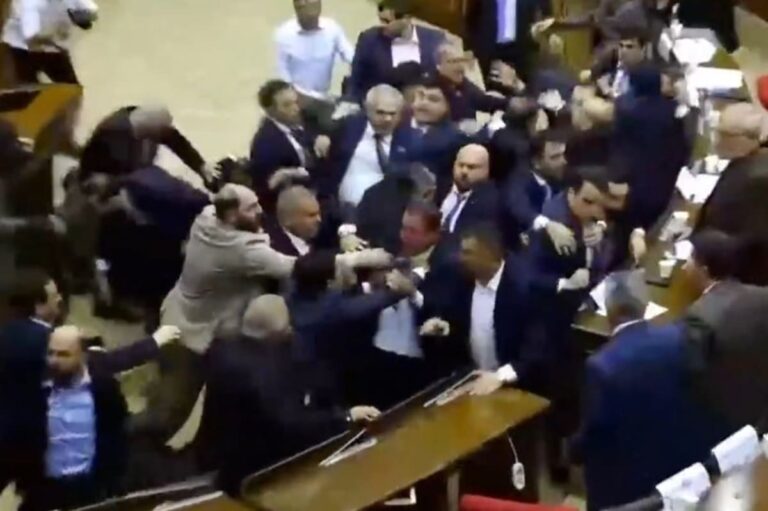
Democracy and institutional independence are also central to the debate over global leadership. Independent courts, accountable governments, free media and effective parliamentary institutions are essential foundations of democratic systems. However, concerns about political polarisation, weakening institutional safeguards and declining public confidence are becoming increasingly prominent in international discussions. International IDEA’s 2026 Global State of Democracy report found that more countries experienced democratic declines than improvements for the eleventh consecutive year. Freedom of expression, press freedom and effective parliamentary performance were among the areas facing particular pressure. These findings underline the importance of protecting democratic institutions regardless of which political party holds power.
The consequences of political leadership decisions extend far beyond government offices and parliamentary chambers. Ordinary citizens frequently bear the greatest burden when diplomatic relationships deteriorate or conflicts intensify. Wars can drive up fuel and food prices, disrupt international trade, increase the cost of living and force families to leave their homes. Economic uncertainty can also discourage investment, affect employment opportunities and place additional pressure on public services. For developing countries that depend heavily on imported energy, food and essential goods, international instability can create particularly serious economic challenges.
Public trust is another important measure of effective leadership. Citizens expect governments to provide security, economic opportunities, reliable public services and transparent decision-making. When political institutions become increasingly divided or leaders fail to communicate clear solutions, frustration can grow. Rebuilding confidence requires more than political promises; it demands accountability, consistent policies, respect for democratic processes and a willingness to listen to public concerns.
Meanwhile, the international system itself faces questions about its ability to respond effectively to global crises. The United Nations remains an important platform for dialogue, humanitarian coordination and international cooperation, but disagreements among permanent members of the Security Council have repeatedly complicated efforts to address major conflicts. As countries pursue competing geopolitical interests, the challenge of maintaining a common international response becomes increasingly difficult.
Yet the future of global leadership does not have to be defined by confrontation. Cooperation between governments, stronger international institutions, responsible diplomacy and respect for international law remain essential to building a more stable world. Smaller nations and regional organisations can also contribute by encouraging dialogue, supporting peaceful negotiations and promoting practical solutions to shared challenges.
Ultimately, leadership should not be measured solely by political power, military strength or economic influence. Its real value lies in the ability to protect people, resolve disagreements, strengthen institutions and create conditions in which societies can prosper. The world does not lack powerful leaders; what it urgently needs is leadership capable of bringing divided nations together. In an increasingly interconnected world, the decisions made by governments today will help determine whether future generations inherit a more cooperative international community or a world shaped by prolonged rivalry and uncertainty.
+ There are no comments
Add yours