






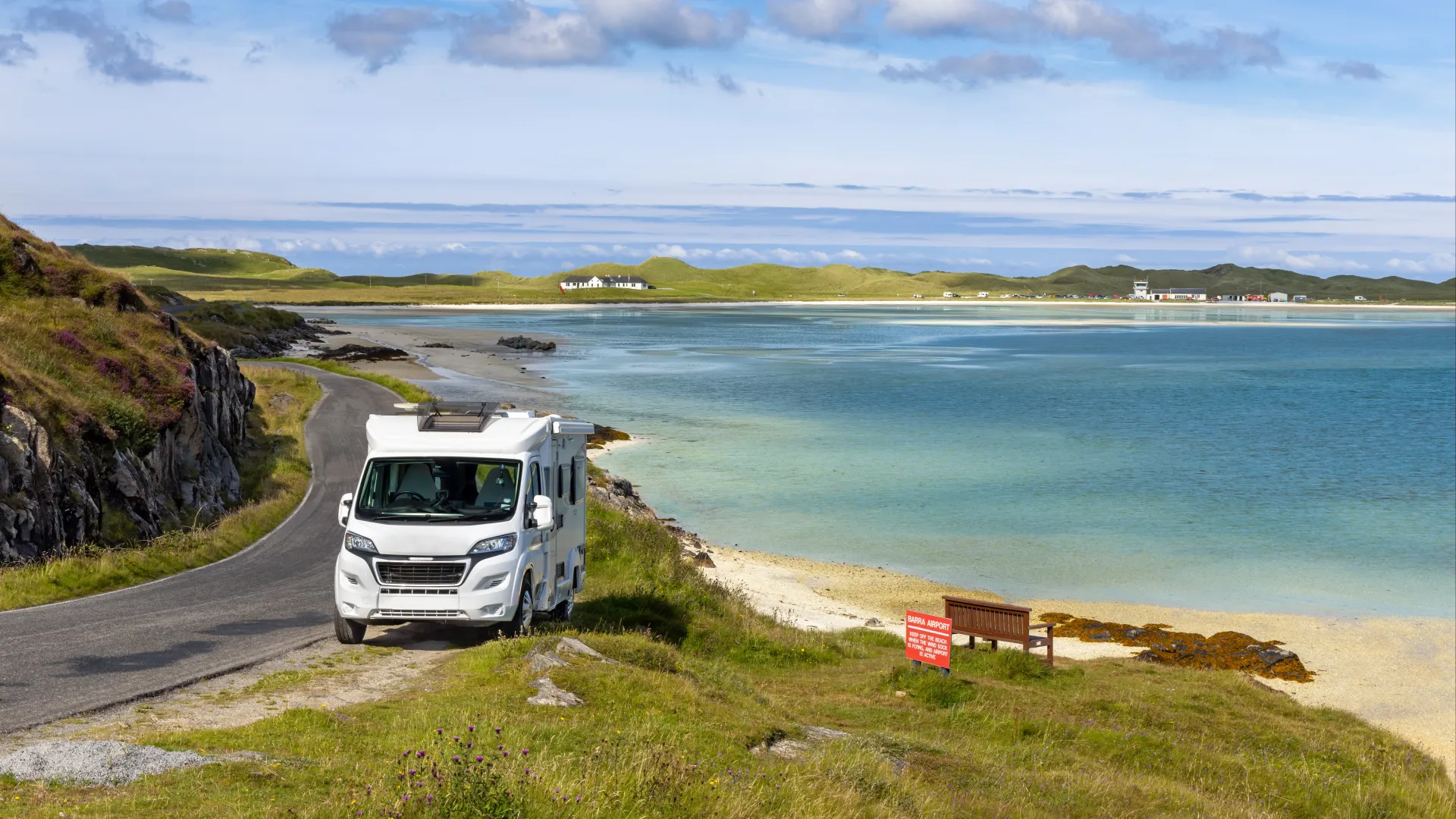
The Isle of Skye, one of Scotland’s most celebrated travel destinations, continues to attract thousands of visitors each year, with campervans and motorhomes playing an increasingly prominent role in the island’s tourism industry. More than 30,000 campervan and motorhome trips are made to the Scottish Highlands annually, and Skye remains one of the most popular stops for travelers seeking dramatic landscapes, rugged coastlines, and picturesque villages.
Tourism has long been a vital source of income for local businesses on the island. Hotels, restaurants, shops, tour operators, and other service providers benefit significantly from the steady flow of visitors, particularly during the peak summer months. Many island residents acknowledge that campervan tourism contributes to the local economy by supporting jobs and sustaining small businesses that rely heavily on seasonal travel.
However, the growing number of campervans has also created mounting environmental and community concerns. Local residents and authorities have reported increasing incidents of littering, illegal camping, and the improper disposal of toilet waste in scenic areas. Such practices not only spoil the island’s natural beauty but also pose risks to wildlife, public health, and the fragile ecosystems that make the Highlands and Skye internationally renowned destinations.
Overflowing rubbish, blocked parking areas, and damage to roadside verges have become recurring issues during busy tourist periods, prompting renewed calls for visitors to travel more responsibly. Community groups and environmental organizations have urged tourists to use designated waste disposal facilities, respect local communities, and follow established camping guidelines.
NatureScot, the public body responsible for Scotland’s natural environment, encourages all visitors to follow the Scottish Outdoor Access Code, which promotes responsible access to the countryside under the principle of “leave no trace.” The code advises people to dispose of waste properly, avoid damaging the environment, respect wildlife, and help preserve Scotland’s natural landscapes for future generations.
As campervan tourism continues to grow, balancing its economic benefits with environmental protection remains a key challenge. Local communities, tourism operators, and conservation organizations agree that responsible travel is essential to ensuring the Isle of Skye retains its unique beauty while continuing to welcome visitors from around the world.








+ There are no comments
Add yours