






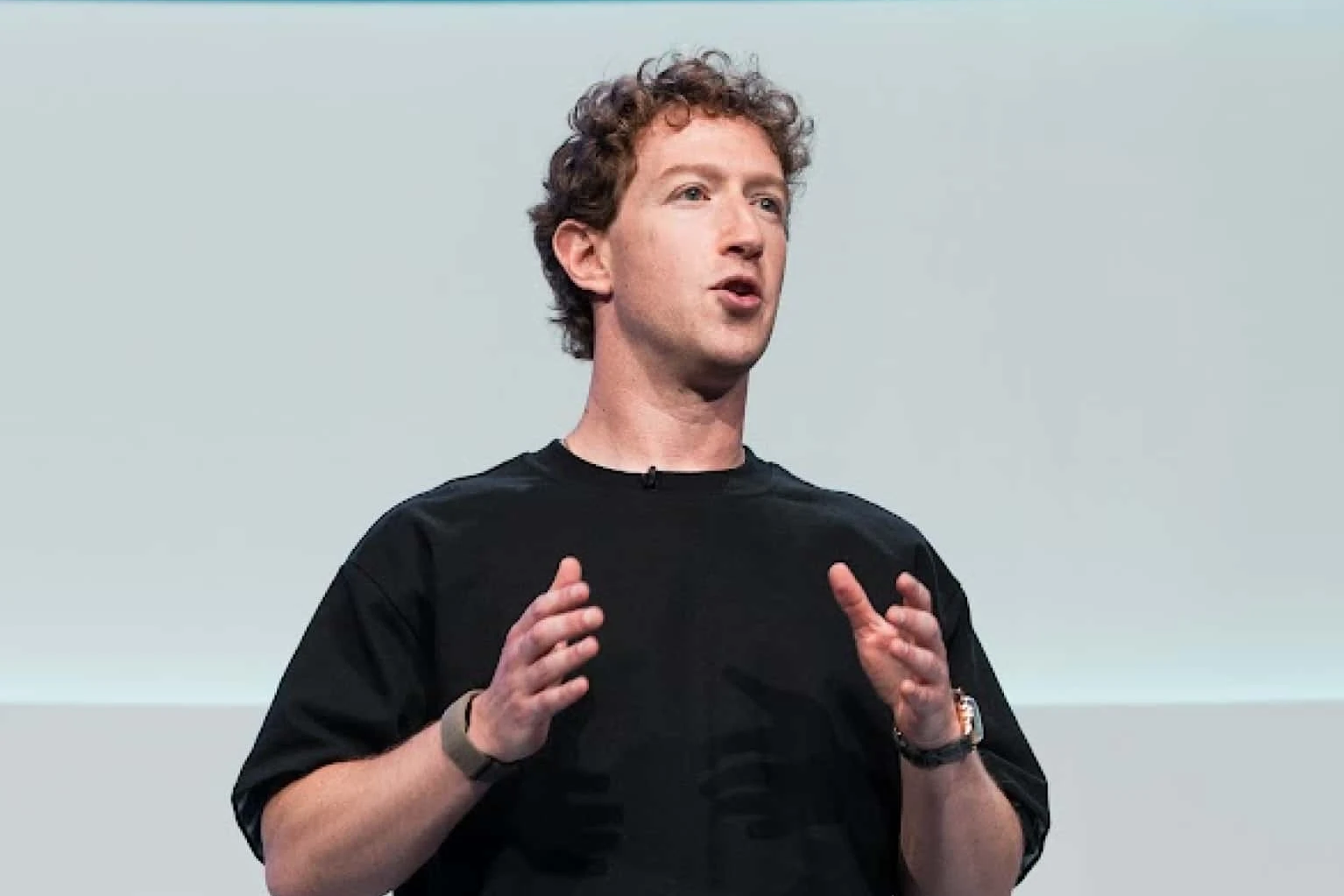
Mark Zuckerberg has joined a growing group of technology executives using lengthy public essays to explain their vision for artificial intelligence, highlighting how deeply the industry has come to see AI as a defining technology of the future.
The Meta chief executive recently published a roughly 6,500-word open letter titled “The Future is for Everyone,” outlining his views on how AI could reshape society, work and technological development. The essay presents an optimistic vision in which increasingly powerful AI tools could become widely available and create new opportunities for people around the world.
Zuckerberg’s message, however, is part of a much broader trend. Technology leaders and influential investors have increasingly turned to manifestos to promote their beliefs about where AI is heading and why rapid development should continue.
Marc Andreessen, the co-founder of Netscape and a prominent technology investor, helped popularize the modern version of this style with his 2023 “Techno-Optimist Manifesto.” The lengthy essay argued that technological innovation and economic growth could help address many of society’s biggest challenges.
Since then, similar arguments have appeared across Silicon Valley. AI executives frequently describe the technology they are developing as one of the most important innovations in human history, while emphasizing its potential to improve productivity, accelerate scientific discovery and transform everyday life.
But these manifestos also attract criticism. Skeptics argue that such sweeping statements can function as public relations campaigns, helping companies shape public opinion and build enthusiasm for products that are still developing. Critics also question whether the industry’s optimistic predictions sufficiently address concerns about job losses, misinformation, privacy, inequality and the concentration of technological power.
For technology executives, however, publishing these essays offers something beyond publicity. It allows them to frame the debate on AI in their own terms and present themselves not simply as business leaders, but as architects of a technological future.
As competition over AI becomes increasingly intense, these manifestos are likely to remain a familiar feature of Silicon Valley. Whether they ultimately prove visionary or overly optimistic may depend on how closely the industry’s promises match the reality created by the technology.








+ There are no comments
Add yours