






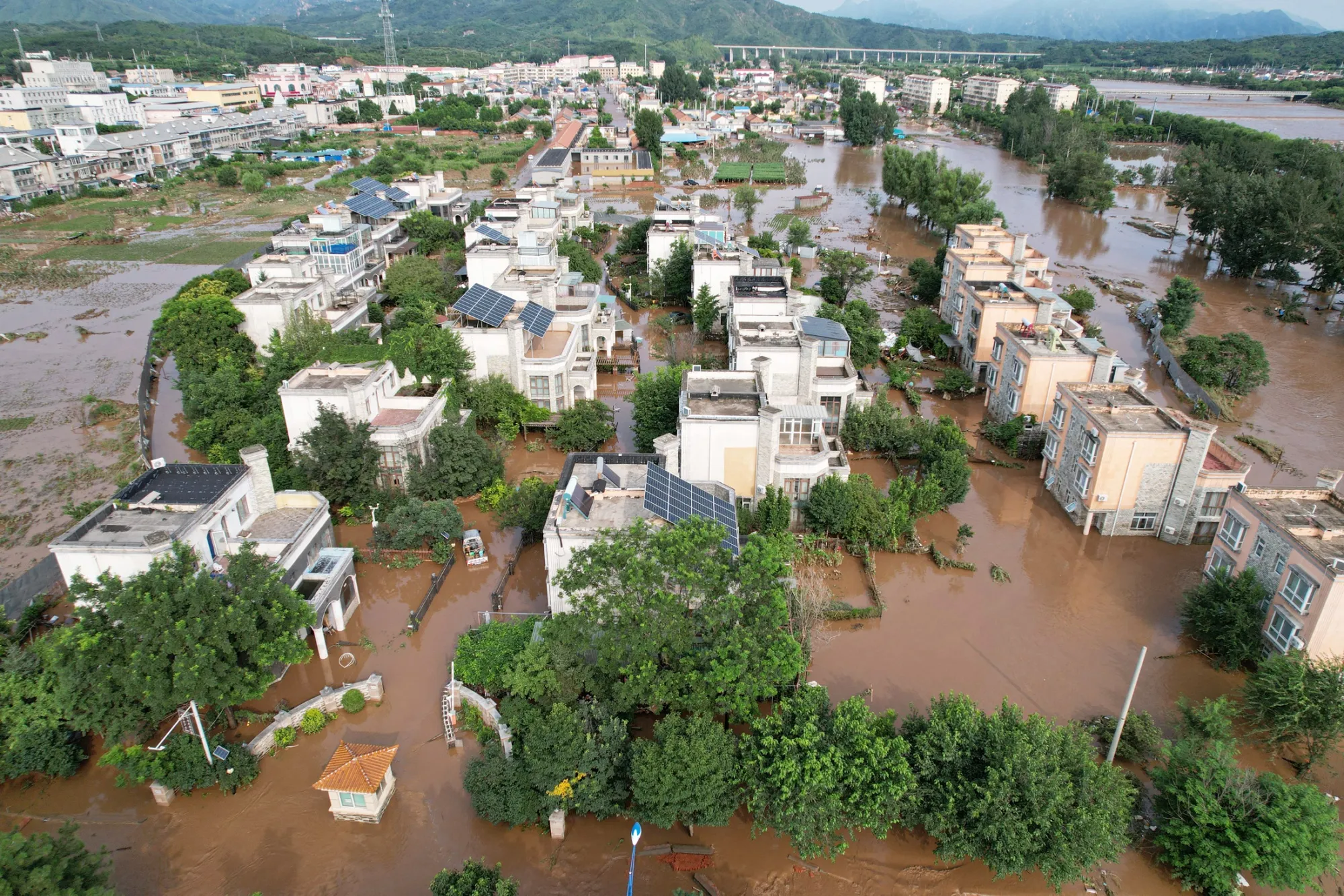
Extreme weather is increasingly becoming a threat not only to lives and property but also to everyday lifestyles, economic stability and the routines that millions of people depend on. From powerful cyclones and destructive floods to relentless rainfall and violent thunderstorms, communities across different parts of the world are facing growing disruptions as severe weather events reshape daily life.
Recent disasters have highlighted the human cost of this changing weather pattern. In India, Cyclone Arnab struck the eastern coast, damaging homes, disrupting transport services and destroying agricultural land. More than 180,000 people were evacuated as authorities prepared for the storm’s impact. In eastern Syria, torrential rainfall triggered devastating flash floods that killed seven people, including five children, while damaging roads, homes and essential infrastructure. Greece and western Turkey have also faced dangerous rainfall and flood warnings, forcing residents to remain alert as conditions deteriorate.
Beyond the immediate destruction, the effects of extreme weather are being felt in ordinary household routines. Heavy rainfall can turn a simple journey to work into a dangerous experience, while flooded roads, cancelled flights and disrupted public transport leave thousands struggling to reach workplaces, schools and hospitals. Families are increasingly forced to change their schedules, postpone important commitments and remain indoors for safety.
The impact on health and wellbeing is equally concerning. Damp homes, contaminated floodwater and stagnant water can increase the risk of infections and mosquito-borne diseases. Continuous storms and uncertainty can also create emotional stress, particularly among families who have lost their homes, livelihoods or access to basic services. Children may miss school, older people can struggle to access medical assistance, and people with disabilities often face additional challenges during evacuations.
Food and household expenses are another major concern. Flooded farmland, damaged crops and disrupted supply chains can reduce the availability of fresh produce and push food prices higher. Small businesses, restaurants, hotels and local shops may lose customers or close temporarily, leaving workers without regular income. Tourism-dependent communities are particularly vulnerable when dangerous weather discourages travel and forces hotels and attractions to suspend operations.
Climate change is adding another layer of concern. A warmer atmosphere can hold more moisture, increasing the potential for intense rainfall in many regions. Warmer oceans can also provide additional energy to tropical cyclones. However, individual storms have multiple causes, and their connection to climate change must be assessed scientifically.
As extreme weather increasingly challenges the way societies function, preparedness is becoming essential. Stronger infrastructure, reliable early-warning systems, improved drainage, climate-resilient housing and better emergency services can help reduce the damage. Individuals also need to take precautions by monitoring official weather alerts, preparing emergency supplies and avoiding unnecessary travel during dangerous conditions.
Ultimately, extreme weather is no longer simply an environmental issue. It is a lifestyle, health and economic challenge affecting how people work, travel, study, shop and care for their families. As communities confront an increasingly unpredictable climate, adapting everyday life to changing weather conditions may become one of the defining challenges of the years ahead.








+ There are no comments
Add yours