





Germany witnessed a wave of unrest on Saturday as thousands of demonstrators took to the streets to protest against rising living costs, education cuts, underfunded public services and compulsory military service, with largely peaceful demonstrations later descending into violence in several major cities.
In Frankfurt, the country’s financial capital, rioters looted shops in the city centre and attempted to smash shop windows, prompting police to seal off large sections of the main shopping district. Authorities reported numerous arrests as clashes intensified late into the evening.
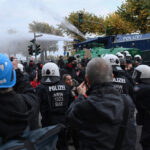
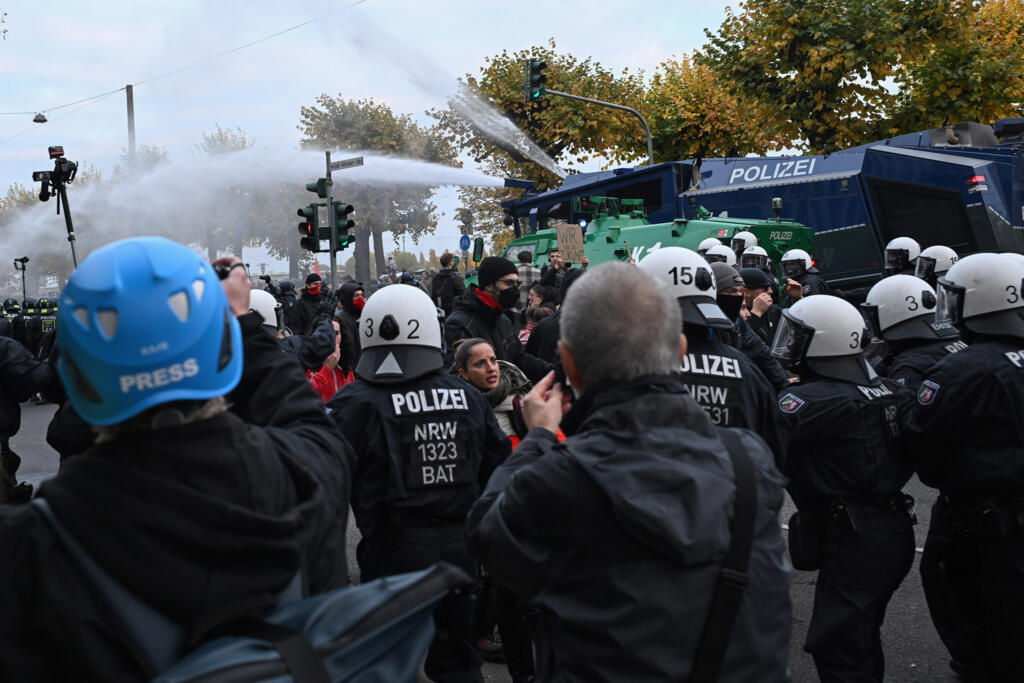
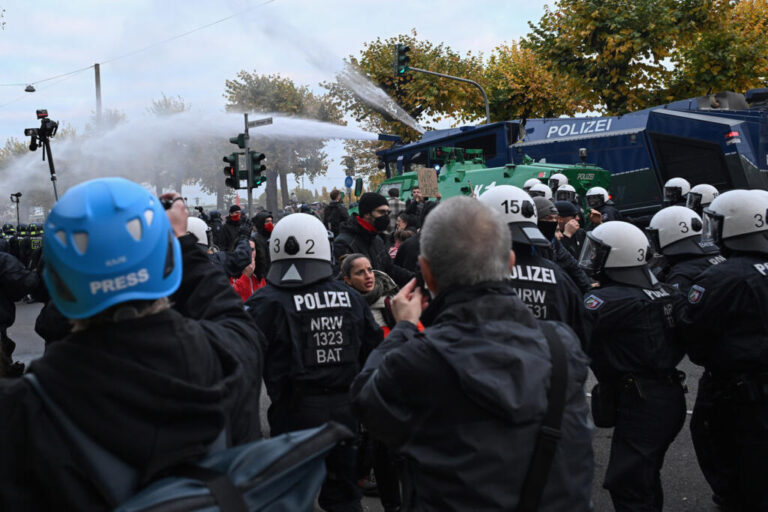
Violence was also reported in Berlin, Cologne and Hamburg, where police used water cannon to disperse groups of demonstrators accused of attacking emergency workers with fireworks, stones and bottles. The incidents marked a sharp escalation in a protest movement driven largely by growing frustration among Germany’s younger generation.
The demonstrations were organised by the youth campaign group Gen Z regelt, meaning “Gen Z takes charge”. Protesters voiced anger over what they described as inadequate investment in schools, healthcare and social services, alongside rising living expenses and government spending cuts.
Authorities in Frankfurt, Munich and Berlin reported that up to 18,000 people had participated in demonstrations, approximately half the number organisers had anticipated. However, German media reported that tens of thousands had taken part in protests across the country.
Campaign spokesperson Lina Friedrich said the movement was fighting for peace and freedom rather than war and coercion. She called for stronger support for healthcare and education, opposed compulsory military service and demanded a fairer distribution of the country’s financial burdens.
The unrest comes amid a wider wave of youth-led demonstrations across Europe. In neighbouring France, more than 320,000 people reportedly joined protests on the same Saturday, reflecting growing public anger over economic pressures and government policies.
Germany, Europe’s largest economy, is now facing mounting questions about the growing disconnect between public expectations and government priorities. For many young demonstrators, concerns extend beyond immediate financial hardship to the future of education, employment, public services and military obligations.
Although the majority of demonstrations began peacefully, the violence in several cities has raised concerns about public order and the direction of the growing protest movement.
As tensions continue to surface across Europe, Saturday’s unrest has delivered a powerful warning: economic anxiety and dissatisfaction among younger generations are becoming increasingly difficult for governments to ignore.




+ There are no comments
Add yours