







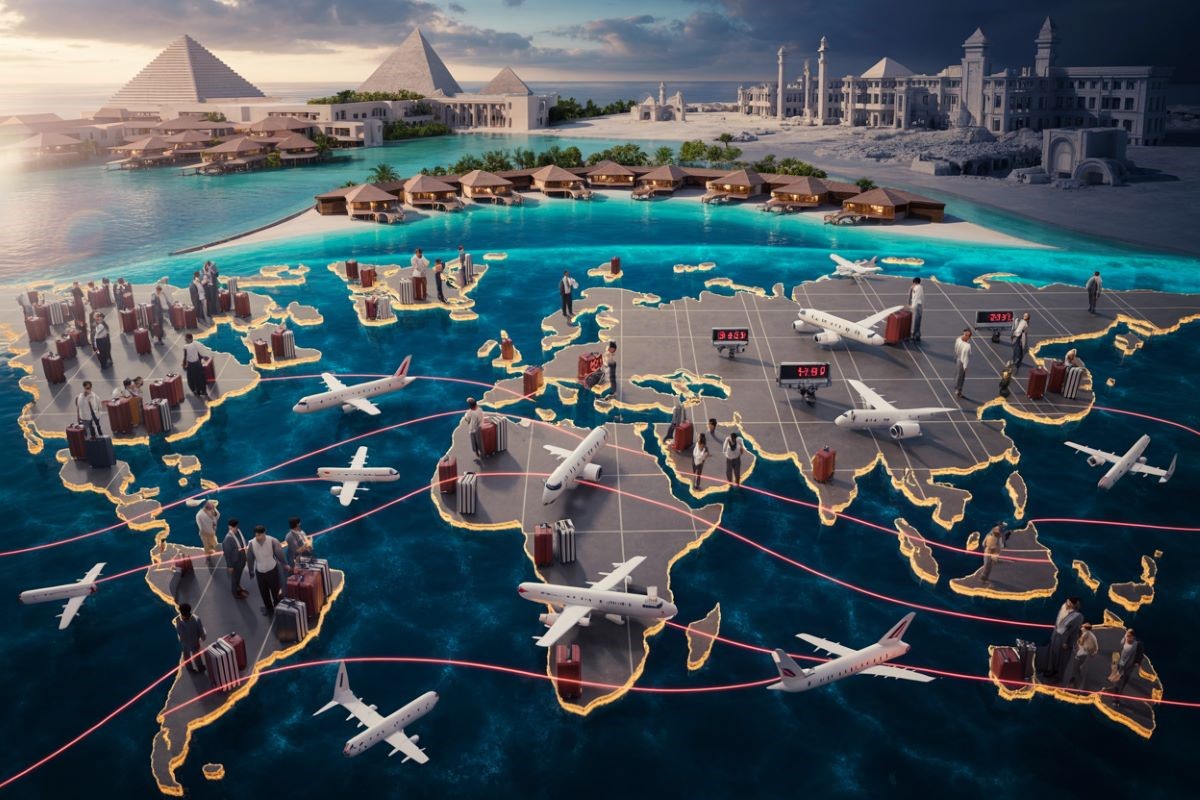
International travel has taken a significant hit as regional conflicts continue to disrupt global air travel. With geopolitical tensions soaring, airlines are being forced to adjust flight routes, while security concerns and rising operational costs are placing additional burdens on travelers. From surging fuel prices to increased fees for checked luggage, the challenges facing travelers in 2026 are becoming more pronounced by the day.
One of the most pressing issues facing travelers is the dramatic rise in fuel prices, which has led to soaring ticket costs across multiple airlines. With jet fuel prices reaching historic highs, airlines are grappling with the financial strain, passing some of the costs directly onto consumers. This has already led to a sharp increase in airfares, with travelers feeling the impact on both short and long-haul flights.
In response to the rising costs, many airlines are adjusting their services by either reducing flight frequencies or changing routes to avoid airspace affected by regional conflicts. While major international hubs remain operational, travelers are experiencing disruptions, particularly when flying over or near regions embroiled in political unrest. Airlines are also under pressure to bolster security measures, further adding to the logistical challenges.
On top of the price hikes, travelers are also facing new fees, including an increase in checked baggage charges. With many airlines looking for ways to recover rising operational expenses, passengers are now finding themselves paying more for services that were once included in the cost of their ticket. Many international travelers have reported sticker shock, with some even considering alternative modes of transportation to avoid additional baggage fees.
In the Gulf Cooperation Council (GCC) region, a notable shift is occurring. Countries like the UAE, Saudi Arabia, and Qatar are introducing new visa fine waivers to encourage tourism, aiming to provide some relief for travelers during these turbulent times. These visa incentives, including waivers on certain penalties for overstaying, are designed to keep tourism flowing despite the global challenges. This move is seen as a bid to position the region as a more accessible and attractive destination for international visitors.
Meanwhile, some countries are rising in prominence as alternative destinations. Kazakhstan, in particular, is becoming a hotspot, especially for medical tourism. The country has invested heavily in healthcare infrastructure, drawing travelers seeking affordable and high-quality medical services. As other destinations face travel restrictions or heightened risks, Kazakhstan is capitalizing on its growing reputation as a medical hub and attracting an increasing number of international patients.
With regional conflicts continuing to unfold and global tensions remaining high, the travel landscape is being reshaped in real-time. Security remains a primary concern, and travelers are advised to stay updated on the latest advisories and airline policies. As the world adjusts to these new realities, one thing is clear: international travel will continue to evolve, with costs rising, routes changing, and alternative destinations like Kazakhstan becoming more appealing.
Travelers looking to navigate this complex landscape should remain flexible and proactive, as the future of global tourism is likely to be marked by uncertainty, shifting regulations, and a renewed focus on security.









+ There are no comments
Add yours