





The AI chip giant has launched an investigation into whether its chief executive was targeted by a foreign intelligence operation, while Huang’s admission of marital infidelity adds another layer of controversy surrounding the company’s leadership.
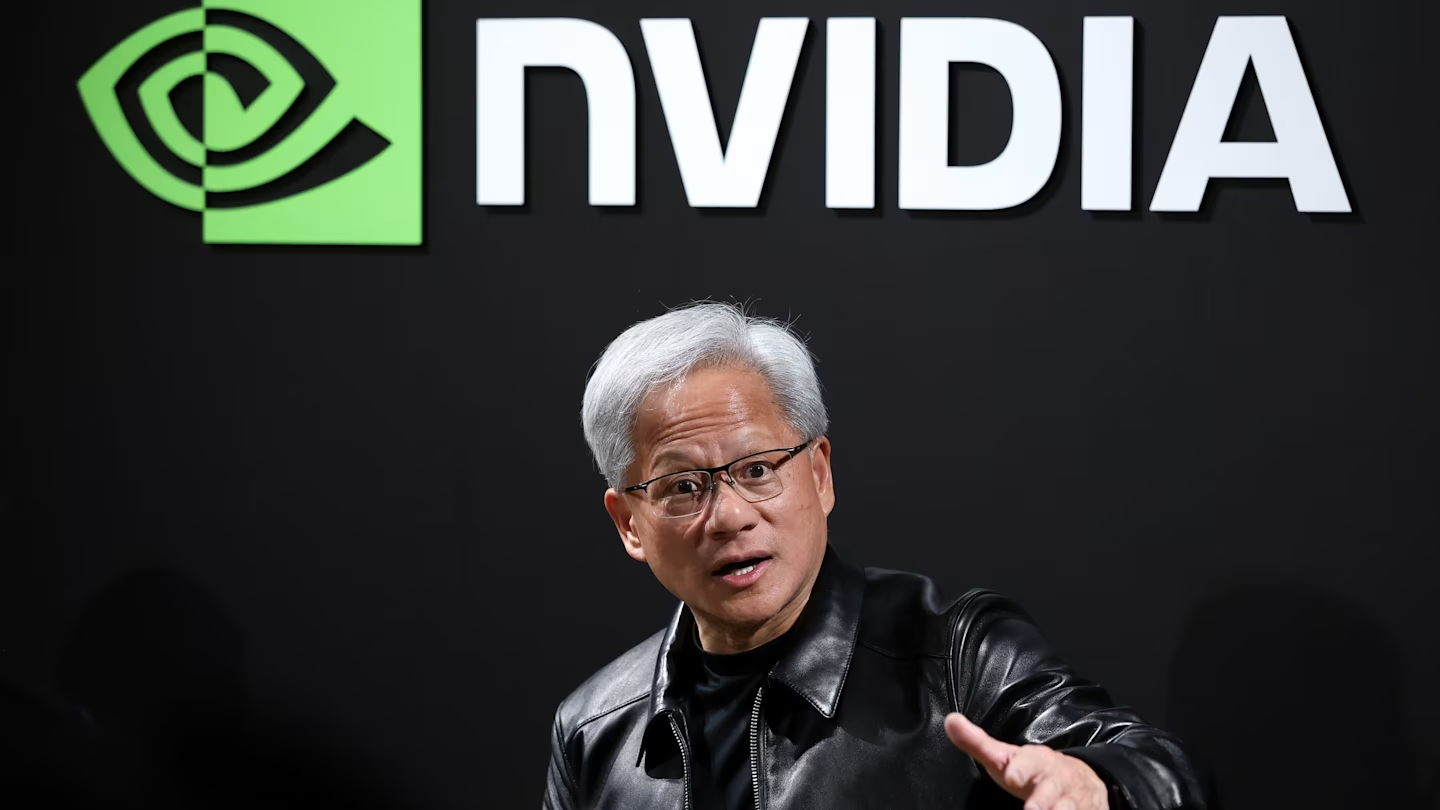
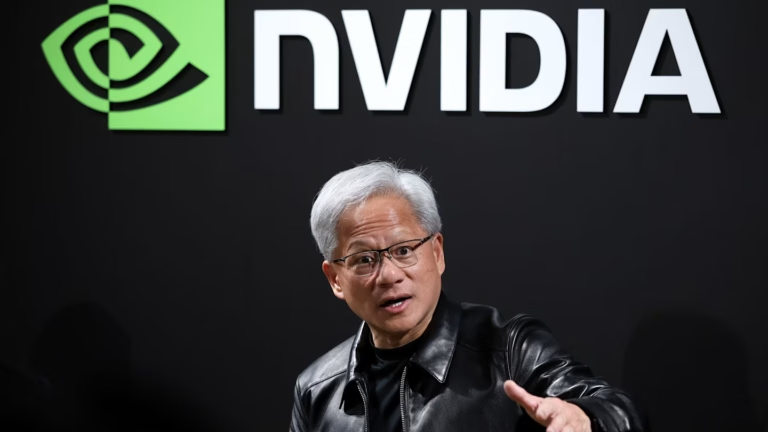
Nvidia, the world’s leading artificial intelligence chipmaker, is facing growing scrutiny after its board launched an investigation into whether chief executive Jensen Huang was targeted by a foreign intelligence effort involving alleged connections to China. The developments have raised questions about corporate security, executive accountability and the growing geopolitical battle over advanced semiconductor technology.
The investigation follows a media report alleging that Huang had a close relationship with a Chinese businesswoman who allegedly passed information to Beijing. The allegations have placed the Nvidia chief executive under intense attention, although the company has stressed that there is currently no reason to believe its confidential business information or US national security interests have been compromised.
In an internal message to employees, Huang acknowledged that he had been unfaithful to his wife and accepted full responsibility for his actions. Expressing regret over the personal controversy, he said he was “deeply sorry”.
Despite the developments, Nvidia has sought to reassure employees, shareholders and business partners that its leadership remains stable. The company said Huang was committed to continuing to lead the business without interruption, signalling that there were no immediate plans for a change at the top.
The investigation comes at a particularly sensitive time for Nvidia. The company has become one of the most powerful players in the global technology industry, supplying advanced processors that drive artificial intelligence systems, cloud computing infrastructure and massive data centres.
Its chips have become strategically important as the United States and China compete for dominance in artificial intelligence and advanced computing. Semiconductor technology is increasingly viewed not simply as a commercial product but as a critical component of national security and economic power.
Leadership Under Growing Scrutiny
The allegations could create reputational and governance challenges for Nvidia, even as the company maintains that there is no evidence of compromised information. Analysts have warned that the investigation could pose risks to Huang’s position, given his central role in the company’s extraordinary expansion.
Huang’s leadership has been closely associated with Nvidia’s transformation into a dominant force in the AI industry. His public profile and influence have grown alongside the worldwide demand for powerful computing chips, making any uncertainty surrounding his leadership particularly significant for investors.
The board now faces the task of examining the allegations, assessing potential security risks and determining whether any inappropriate foreign influence was involved. The available information does not establish that classified information or company secrets were transferred to Beijing.
A Wider Challenge for the Technology Industry
The controversy highlights the increasing security pressures facing executives at companies operating at the centre of international technology competition. As artificial intelligence becomes a strategic priority for governments, major technology firms face growing expectations to protect sensitive information and maintain strong corporate oversight.
For Nvidia, the immediate priority is maintaining investor confidence while allowing its board investigation to establish the facts. The company has publicly backed Huang’s continued leadership, but the outcome of the inquiry could carry significant implications for its governance and reputation.
For now, one of the world’s most influential technology companies finds itself confronting questions that extend beyond its business performance, placing corporate security, personal conduct and international intelligence concerns under the spotlight.






+ There are no comments
Add yours