





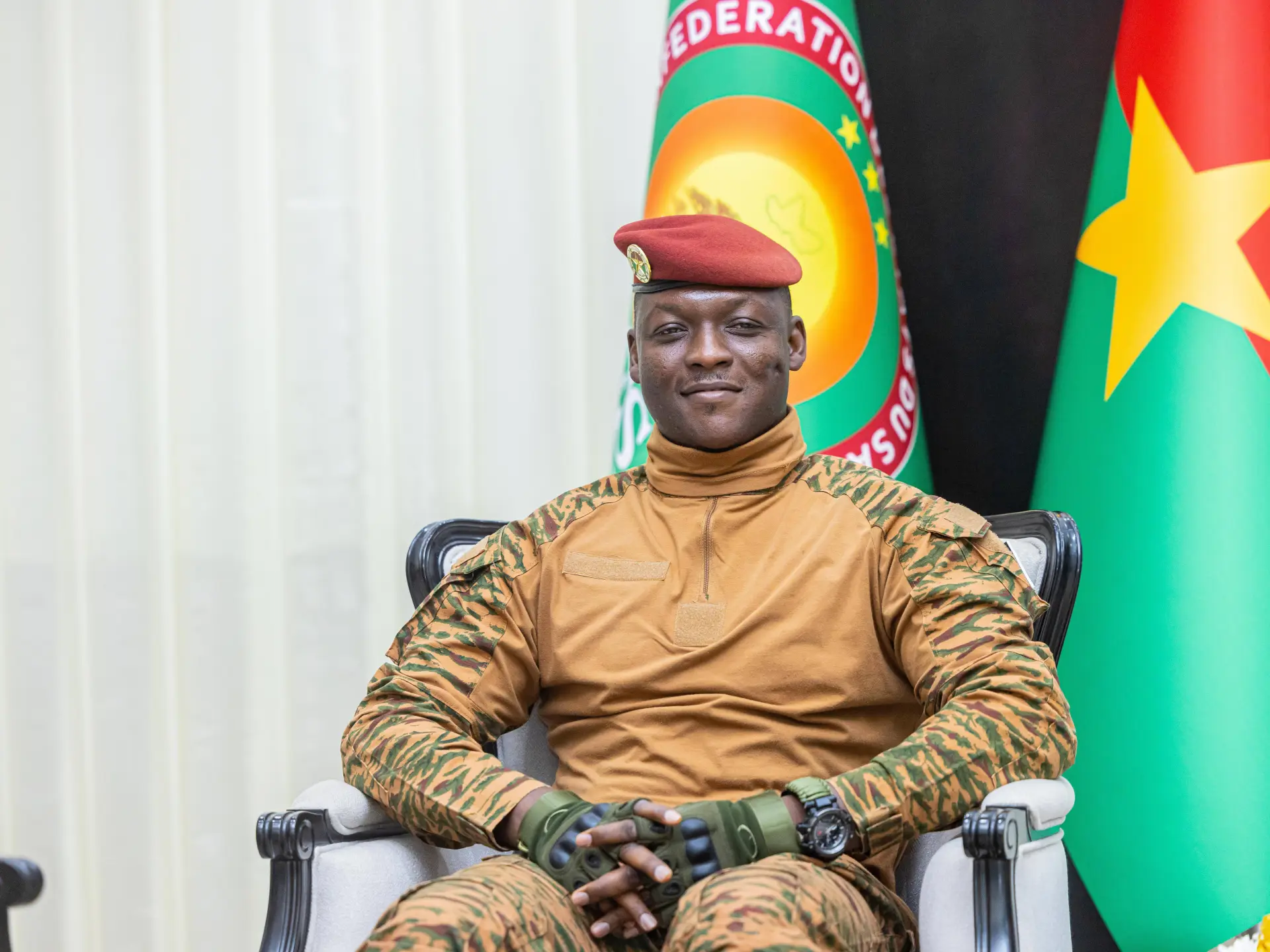
In a sweeping move, Burkina Faso’s military government has formally dissolved all political parties in the country, citing the need to preserve national unity and strengthen political stability. The announcement marks a major shift in the nation’s governance, drawing criticism from opposition leaders and human rights groups who warn it undermines democracy.
Under the government decree, no political party will remain active, and all assets, offices, and resources previously held by these organizations will be transferred to the state. Officials emphasized that the measure is aimed at reducing political fragmentation, which they say has fueled social divisions and weakened governance over the years.
Interior Minister Emile Zerbo said the decision followed a “thorough analysis” of the political landscape, revealing that the growing number of parties had created conflicts and hindered national cohesion. A new legislative framework is reportedly being drafted to regulate political activity and party operations in the future.
Burkina Faso has been under military rule since a 2022 coup, and political activity has already faced strict restrictions. Previously, the country had more than 100 registered political parties, many of which had representation in parliament. The dissolution of all parties represents a significant centralization of power under the military government.
Analysts note that the move comes at a time when Burkina Faso continues to confront security challenges, including terrorism and violent insurgencies, which have destabilized parts of the country. While the government asserts that the decision will strengthen governance, critics warn it could further erode democratic institutions and limit civil liberties.
Human rights organizations have expressed concern that the dissolution of political parties undermines political pluralism and public participation, which are essential to a functioning democracy. The coming weeks will be closely watched by international observers, who are evaluating the implications of this unprecedented move on Burkina Faso’s political and social stability.
As the country adapts to these sweeping changes, questions remain about the future of political representation, civil rights, and the balance of power in Burkina Faso’s fragile governance system.




+ There are no comments
Add yours