






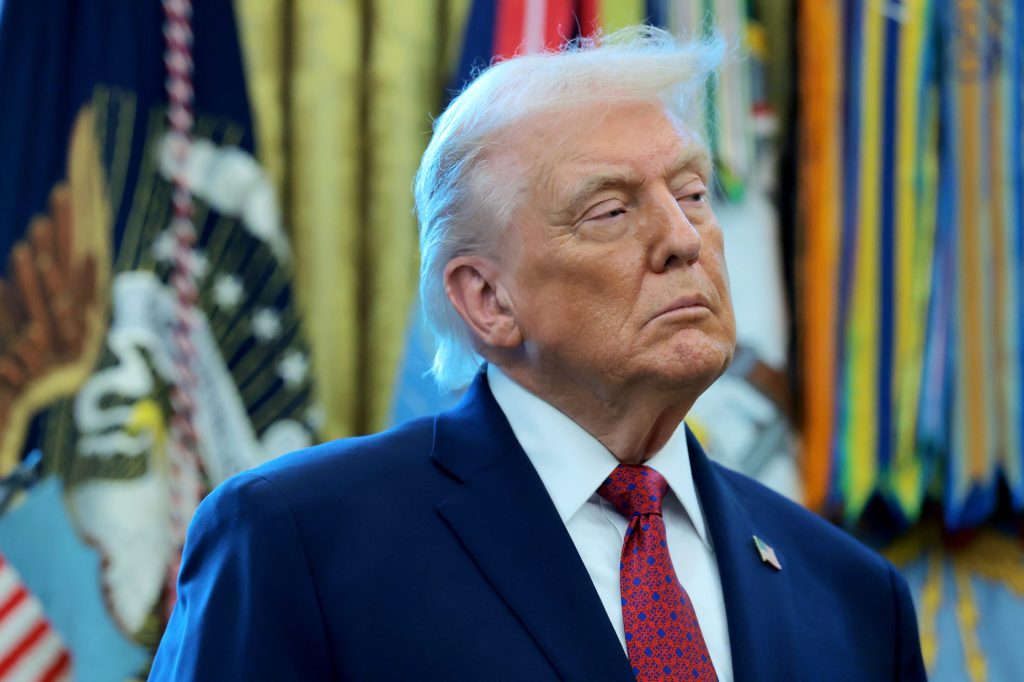
In a striking analysis capturing national attention, political commentators and civil rights experts are warning that the United States is facing a profound internal challenge — one that threatens the very foundations of its democracy and civic culture. Far from distant conflicts abroad, the forces of what some call “civilizational erasure” are unfolding within America itself.
The concept refers to the gradual weakening of the institutions and norms that define Western civilization: independent courts, free press, the rule of law, and the checks and balances that prevent the concentration of power. Experts argue that recent government actions — ranging from aggressive law enforcement operations to procedural delays in enforcing court rulings — are undermining public trust in these pillars of democracy. Where institutions once served as impartial arbiters, critics say political expediency is increasingly shaping decisions, eroding impartiality and accountability.
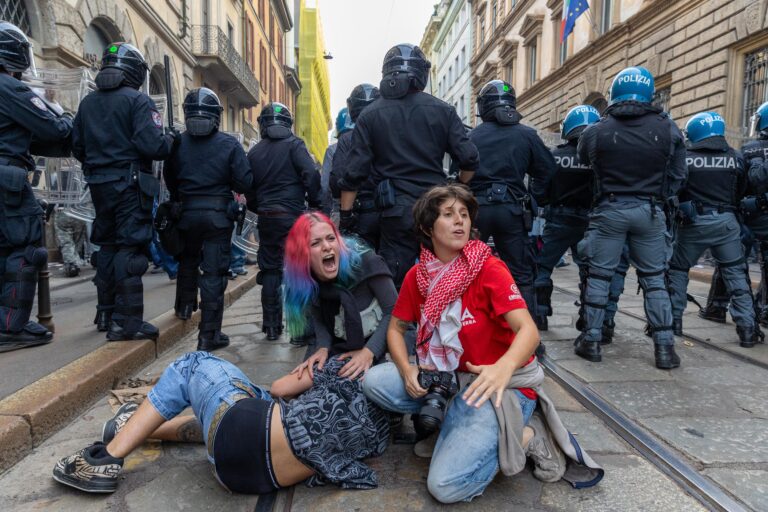
Civil liberties advocates also point to a growing tension between national security measures and freedom of expression. Heightened scrutiny of activist groups, calls to classify certain organizations as domestic threats, and regulatory pressures on independent institutions are being framed as protective measures. Yet, opponents warn that these moves risk stifling dissent, narrowing the space for debate, and consolidating power in ways that threaten long-standing democratic principles.
The media, universities, and civil society organizations are central to this debate. Observers note that pressures on these institutions — whether through investigative scrutiny, political influence, or policy constraints — could reshape the cultural and civic landscape, weakening mechanisms that historically safeguarded public accountability.
Supporters of these policies argue they are necessary to maintain law, order, and national security in a complex global environment. However, critics contend that the cumulative effect of these actions is a slow erosion of democratic norms, creating a landscape where authority is prioritized over transparency, and conformity over critical dialogue.
As this conversation intensifies, America faces a crucial moment of reckoning. Will the nation reaffirm its commitment to the institutions and values that have defined its identity, or will short-term political imperatives accelerate a silent transformation that many warn could reshape the country’s democratic foundation for generations? The answer may determine not only the future of governance in the U.S. but also the resilience of the principles that have historically anchored Western civilization itself.






+ There are no comments
Add yours