







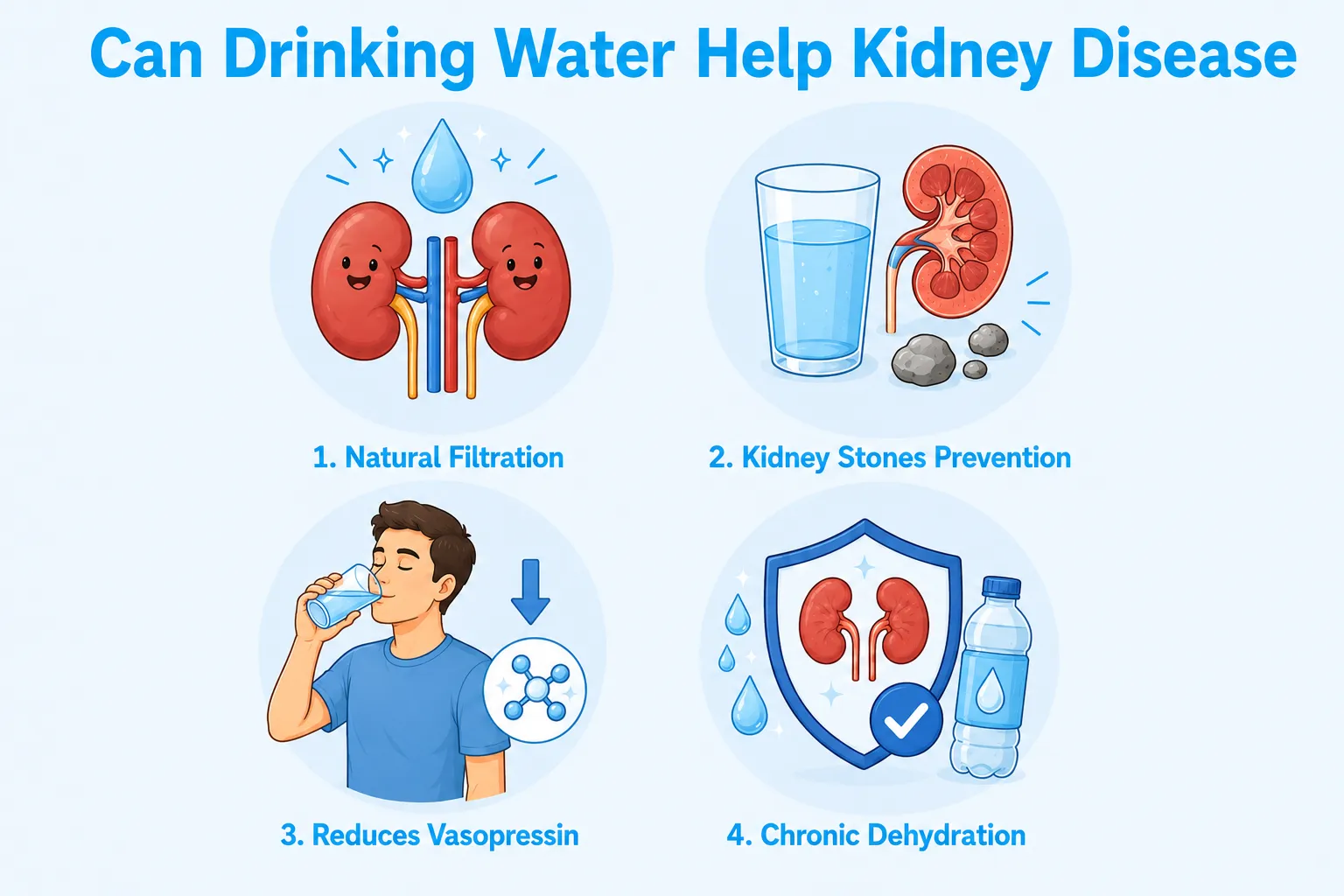
Your kidneys work around the clock to filter waste from your blood, balance fluids and minerals, and help regulate blood pressure. Despite their important role, kidney health is often overlooked until a problem develops. Chronic kidney disease can progress quietly, sometimes without noticeable symptoms in its early stages. The good news is that several simple lifestyle habits can help support healthy kidney function and reduce the risk of kidney problems.
Staying properly hydrated is one of the simplest ways to support your kidneys. Drinking enough fluids helps the kidneys remove waste from the body through urine. However, water needs vary from person to person depending on factors such as activity level, climate and overall health. People with certain kidney conditions may need to limit their fluid intake and should follow advice from their healthcare professional.
Keeping blood pressure under control is also essential for kidney health. High blood pressure can damage the blood vessels in the kidneys over time and increase the risk of kidney disease. Regular blood pressure checks, reducing excess salt, maintaining a healthy weight, exercising regularly and taking prescribed medication can all help protect kidney function.
Managing blood sugar is equally important, particularly for people with diabetes. High blood sugar levels over time can damage the small blood vessels in the kidneys. Keeping blood glucose within the recommended range and having regular medical checkups can help reduce the risk of kidney damage.
A balanced diet can also make a difference. Eating more vegetables, fruits, whole grains and other nutritious foods while limiting excessive salt, added sugars and unhealthy fats can support overall health and help manage conditions linked to kidney disease.
Regular physical activity is another important part of kidney care. Walking, cycling, swimming or other moderate exercise can help maintain a healthy weight and support healthy blood pressure and blood sugar levels.
People should also be careful about frequent use of certain pain medicines. Some over-the-counter pain relievers can affect kidney function when taken regularly or in certain circumstances. Anyone who frequently uses these medicines should discuss their use with a healthcare professional.
Finally, regular kidney testing can be important for people at higher risk. Diabetes, high blood pressure, heart disease and a family history of kidney failure can increase the risk of kidney disease. Blood and urine tests can help identify kidney problems before they become more serious.
Protecting kidney health does not require complicated changes. Staying hydrated, eating well, exercising regularly, managing blood pressure and blood sugar, using medicines carefully and getting appropriate health checks can all contribute to healthier kidneys. Small, consistent habits can help protect these vital organs for years to come.











+ There are no comments
Add yours