






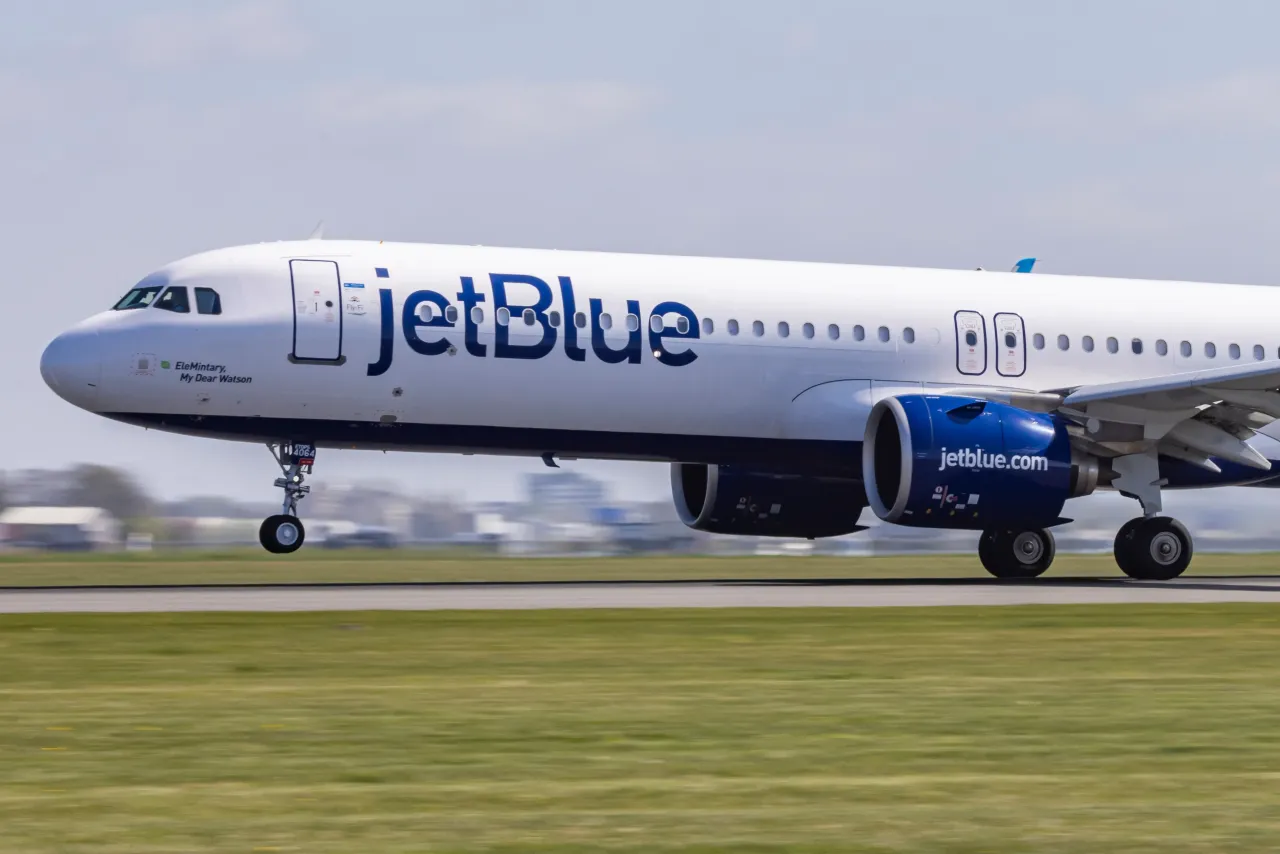
JetBlue Airways is attempting to restore investor confidence after reporting a larger-than-expected quarterly loss, as soaring fuel expenses, falling bond prices and growing concerns over its debt cast uncertainty over the US airline’s financial recovery.
The New York-based carrier reported an adjusted loss of 60 cents per share for the third quarter ended September 30, compared with a loss of 40 cents per share during the same period last year. Analysts had expected a loss of 55 cents per share, highlighting the financial pressure facing the airline despite stronger revenue and resilient passenger demand.
JetBlue’s operating revenue climbed 21.1% year over year to approximately $2.8 billion. However, the improvement was overshadowed by a sharp increase in fuel expenses, which have become a major challenge for airlines worldwide. The company paid an average of $3.91 per gallon of fuel during the quarter, representing a 57% increase from a year earlier.
The financial results arrive at a sensitive moment for JetBlue, which has been pursuing an extensive turnaround strategy aimed at improving profitability, controlling costs and strengthening its competitive position. Reports that a group of the airline’s creditors had engaged restructuring advisers intensified concerns about its financial outlook, triggering volatility in its shares and a sharp selloff in its bonds.
The company’s shares fell nearly 10% during regular trading on Monday before rebounding in after-hours trading as investors assessed its latest financial guidance. Meanwhile, a bond backed by its TrueBlue loyalty programme plunged to around 47 cents on the dollar, reflecting growing market concerns about the risks associated with the airline’s debt.
JetBlue sought to counter those concerns by highlighting its available financial resources. The airline ended September with approximately $2.2 billion in liquidity, including an undrawn credit facility, while its total debt stood at about $8.39 billion. Nevertheless, cash and investments have declined, and the company has continued to spend more cash than it generates through its operations.
In a sign of confidence in its commercial strategy, JetBlue raised its full-year forecast for seat-revenue growth to between 13.5% and 14.5%, up from its previous estimate of 10% to 12.5%. The airline said stronger fares, resilient demand and expansion at Fort Lauderdale were supporting its revenue performance.
Management has reiterated its ambition to achieve sustained operating profitability in 2027 and at least $1 in earnings per share alongside positive free cash flow in 2028. Achieving those targets, however, will depend on the airline’s ability to manage expenses, maintain demand and secure sufficient liquidity.
For investors, the central question is whether JetBlue’s improving revenue can translate into sustainable profits before mounting financial pressures undermine its recovery. The airline’s latest results offer evidence of commercial progress, but its debt burden and rising fuel costs remain significant obstacles.









+ There are no comments
Add yours