






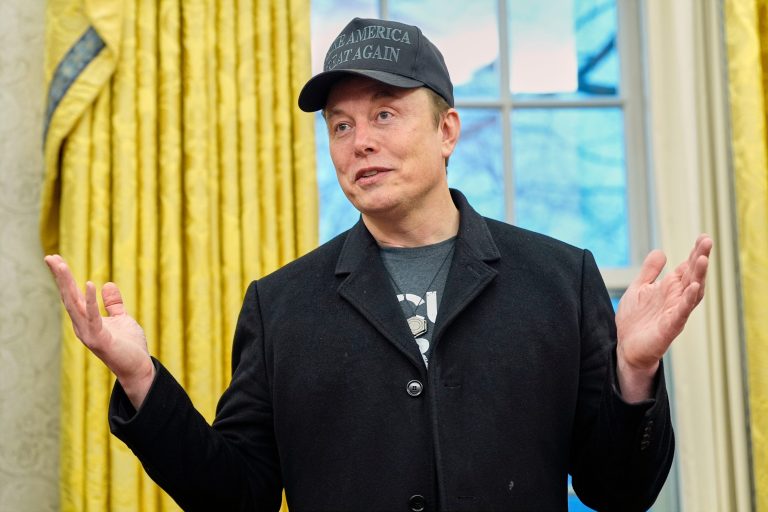
Elon Musk is no stranger to headlines, and this week has been no different. The billionaire CEO of Tesla, SpaceX, and X (formerly Twitter) found himself at the center of a whirlwind of events that stretched from the entertainment industry to Wall Street.
From reportedly triggering a wave of Netflix subscription cancelations after a controversial move, to blowing past electric vehicle (EV) sales estimates, Musk showed once again how his influence spans far beyond the automotive sector. But despite these wins, Tesla stock ended the week in the red, highlighting the complexity of investor sentiment around Musk’s empire.
Musk and the Netflix Cancelation Wave
The week began with Musk’s comments and online activity fueling a backlash against Netflix. Known for his outspoken presence on social media, Musk amplified critiques of Netflix’s content and its business model. His comments resonated with a large section of his followers, leading to reports of a spike in subscription cancelations.
While Netflix has weathered controversies before, the sheer reach of Musk’s voice—combined with his ability to mobilize online communities—shows how corporate reputations can be shaken in a matter of hours. For Netflix, the backlash raised questions about consumer loyalty at a time when streaming competition is fiercer than ever.
Tesla Smashes EV Sales Estimates
Midweek, Tesla reported quarterly EV sales that beat Wall Street expectations. Analysts had forecast modest growth amid concerns about global demand, competition from Chinese automakers, and pricing pressures. Instead, Tesla delivered stronger-than-expected results, signaling that the company still maintains a significant hold on the electric vehicle market.
Highlights from Tesla’s performance included:
Strong demand for Model Y and Model 3 vehicles, especially in Europe and the U.S.
Improved production efficiency at gigafactories, helping offset cost pressures.
Expansion in energy storage and charging infrastructure, which added to revenue streams.
The numbers reinforced Tesla’s position as the global leader in EVs, even as rivals like BYD, Volkswagen, and Hyundai ramp up their efforts.
Why Did Tesla Stock Fall Despite Strong Sales?
Despite beating sales estimates, Tesla stock slipped, leaving investors puzzled. There are several reasons behind this apparent contradiction:
Margin Concerns: Tesla has cut prices multiple times to stay competitive. While sales volume is rising, profit margins have thinned, worrying investors.
Market Expectations: Wall Street often prices in future performance, not just current results. Investors may fear that increasing competition, especially from China, could erode Tesla’s market share.
Musk’s Unpredictability: From political commentary to bold statements about AI and social media, Musk’s broader influence sometimes spooks investors who prefer stability.
Macroeconomic Headwinds: Higher interest rates and global economic uncertainty continue to pressure growth stocks, including Tesla.
The sell-off underscores a reality about Tesla: it is not just valued as an automaker, but as a high-growth tech company. That means its stock is more sensitive to future outlooks than present-day achievements.
Musk’s Expanding Influence Beyond Tesla
What makes Musk unique is how his impact extends well beyond the auto industry. This week was a clear example:
In entertainment, he influenced consumer behavior toward Netflix.
In technology, his push for AI development and X’s rebranding strategy dominated headlines.
In transportation and energy, Tesla’s EV sales reaffirmed his role as a global disruptor.
This multidimensional influence makes Musk one of the most powerful figures in the world—but also one of the most polarizing. Supporters see him as a visionary shaping the future, while critics argue his unpredictability creates instability for shareholders and markets.
What Comes Next for Tesla and Musk
Looking ahead, Tesla faces both opportunities and challenges:
Cybertruck Launch: Investors and fans alike are eagerly awaiting the mass rollout of Tesla’s long-delayed Cybertruck.
Global Expansion: Continued growth in Europe and China will be crucial to maintaining sales momentum.
AI and Autonomous Driving: Tesla’s Full Self-Driving technology remains a work in progress, but could redefine the auto industry if perfected.
Energy Solutions: Expansion into solar energy and battery storage could diversify revenue streams and reduce reliance on vehicle sales.
For Musk personally, his cross-industry influence means more weeks like this one are inevitable. Whether it’s streaming platforms, EV sales, or space launches, he has the ability to disrupt industries and dominate headlines simultaneously.
Final Thoughts
Elon Musk’s latest whirlwind week captures both the brilliance and the volatility of his empire. On one hand, Tesla crushed EV sales estimates, proving its dominance in the electric vehicle market. On the other, Musk’s outspoken nature fueled a Netflix cancelation wave, showing how his influence reaches far beyond Tesla.
Yet Tesla stock still fell, reminding investors that the market is not swayed by headlines alone—it demands consistent profitability, stability, and reassurance in the face of competition.
Musk continues to be a paradox: a leader capable of inspiring groundbreaking innovation while simultaneously creating uncertainty in the markets. For Tesla and its investors, navigating that paradox is part of the ride.














+ There are no comments
Add yours