






California is heading toward a high-stakes political showdown over one of the most controversial economic proposals in the United States: whether the state’s billionaires should pay a one-time tax on their fortunes to help fund healthcare and other essential public services. As voters prepare to decide the measure, the debate is exposing deep divisions over economic inequality, public spending and the responsibilities of America’s wealthiest individuals.
The proposal has attracted national and international attention because it seeks to tax accumulated wealth rather than simply increasing taxes on annual income. Supporters argue that the ultra-rich should contribute more toward maintaining public services, particularly as healthcare programmes face mounting financial pressures. Opponents warn that such a measure could encourage wealthy residents to leave California, potentially undermining investment and the state’s long-term tax revenue.
Under the proposed measure, eligible billionaires would face a one-time levy of 5% on their net worth, based on their residency status on January 1, 2026. California is home to hundreds of extraordinarily wealthy individuals whose fortunes are tied to technology companies, financial investments, entertainment businesses and other major industries. Supporters believe the tax could generate tens of billions of dollars, with campaign estimates suggesting that the revenue could approach $100 billion.
The money would primarily support healthcare services, while a smaller share would be directed toward education-related programmes and food assistance. Backers say the funding could help protect vulnerable communities from the effects of reductions in federal support and ease pressure on California’s healthcare system. For families dependent on publicly funded medical services, the proposal represents a debate over whether essential programmes can be protected by asking the wealthiest residents to shoulder a larger financial burden.
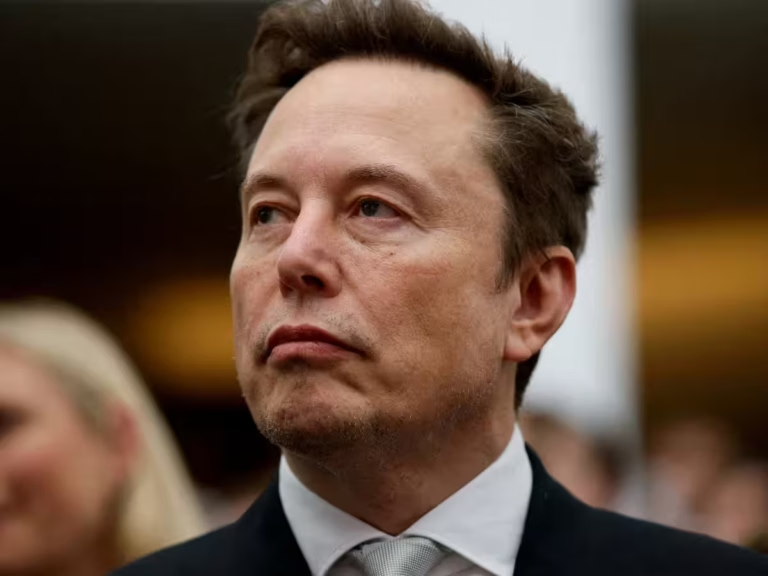
However, the initiative has provoked strong resistance from influential figures in Silicon Valley and the wider business community. Technology entrepreneurs and major investors have raised concerns about the potential financial consequences, while some wealthy residents have reportedly explored relocating outside California. Critics argue that taxing assets such as private company shares can create difficult valuation questions, particularly when fortunes fluctuate with financial markets.
The controversy has also drawn attention to the extraordinary political influence of billionaires. Wealthy individuals and business interests have reportedly committed substantial resources to opposing the proposal, turning the campaign into a broader confrontation over taxation and economic power. Supporters maintain that the concerns about relocation are overstated and argue that California should not abandon a potentially significant source of public revenue simply because the people affected are exceptionally wealthy.
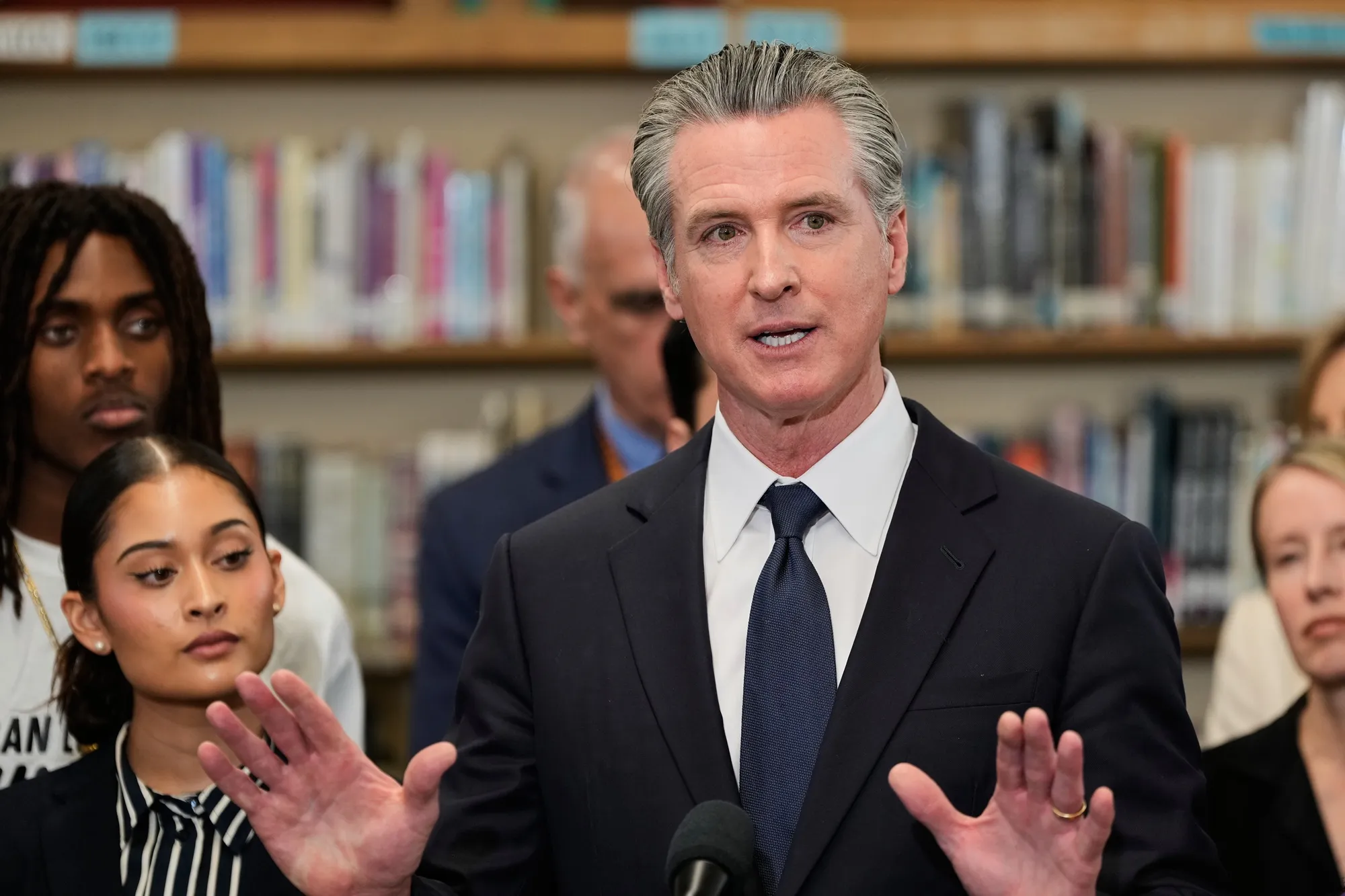
California Governor Gavin Newsom has expressed opposition to the measure, warning that it could encourage billionaires to leave the state and weaken its tax base. Critics further question whether a one-time levy can provide a lasting solution to healthcare funding challenges that require continuing financial support. Supporters counter that the tax could offer immediate assistance while policymakers pursue more sustainable long-term funding arrangements.
Public opinion remains divided. A September poll conducted by the University of California, Berkeley’s Institute of Governmental Studies in partnership with the Los Angeles Times found that 45% of likely voters supported the proposal, compared with 42% who opposed it, while 13% remained undecided. The narrow margin suggests that the final outcome could depend on how voters weigh the promise of additional public funding against concerns about economic competitiveness.
The debate extends far beyond California. Wealth taxes have been introduced in different forms in several countries, including Spain, Norway and Switzerland, although their systems differ considerably. California’s proposal is attracting particular attention because of the scale of wealth concentrated in the state and the potential implications for the technology industry. If implemented, the measure could influence discussions elsewhere about whether accumulated fortunes should contribute more directly to the cost of public services.
Yet the outcome would not automatically determine whether similar policies would succeed in other jurisdictions. Much would depend on the amount of revenue ultimately collected, the administrative costs involved, legal challenges and any changes in the behaviour of wealthy residents. The proposal could become a significant example for policymakers, but its effectiveness would need to be assessed through evidence rather than campaign promises.
As California approaches its vote, the central question is becoming increasingly difficult to avoid: should the state ask its wealthiest residents to contribute a larger share of their fortunes to protect public services, even if doing so carries economic risks? For supporters, the answer is rooted in fairness and the urgent needs of ordinary families. For opponents, the danger lies in creating a policy that could drive away investment without guaranteeing a lasting solution to the state’s financial challenges.
The decision will carry consequences beyond the immediate tax bill. It could shape California’s economic policies, influence the national conversation about wealth inequality and test public confidence in the ability of government to balance social needs with economic growth. Whatever the outcome, the billionaire tax battle has already placed a fundamental question at the centre of America’s political debate: how much responsibility should the country’s wealthiest people bear for financing the society in which their fortunes were built?








+ There are no comments
Add yours