








Global financial markets faced renewed volatility Monday as escalating tensions between the United States and Iran in the strategically vital Strait of Hormuz drove oil prices sharply higher and weighed on investor sentiment.
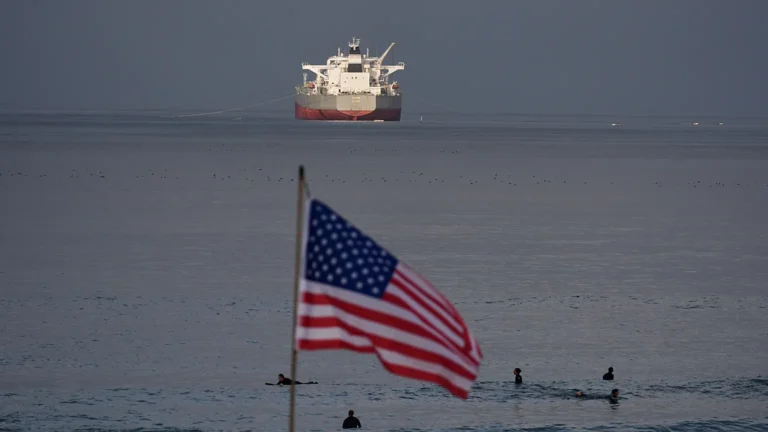
Crude oil benchmarks climbed significantly following reports that U.S. forces seized a vessel in the Gulf of Oman, intensifying fears of supply disruptions in one of the world’s most critical energy corridors. The Strait of Hormuz, through which roughly a fifth of global oil supply passes, has long been a flashpoint for geopolitical risk.
Financial markets reacted swiftly. Futures tied to the Dow Jones Industrial Average declined in early trading, reflecting investor caution amid uncertainty. Meanwhile, the U.S. dollar strengthened to a one-week high, signaling a flight to safety as traders sought refuge in traditionally stable assets.
Analysts warn that further escalation could trigger broader economic consequences. Major banks are reportedly stress-testing their portfolios and preparing contingency plans to navigate potential shocks stemming from higher energy costs and disrupted trade routes.
In corporate developments, tech giants continue to push forward despite macroeconomic concerns. Google is reportedly in discussions with Marvell Technology over advanced AI chip supply agreements, highlighting sustained demand in the artificial intelligence sector even as global markets fluctuate.
Market participants remain on edge, closely monitoring diplomatic and military developments in the region. Any further disruptions in the Strait of Hormuz could exacerbate inflationary pressures worldwide, complicating the outlook for central banks already balancing growth risks against persistent price concerns.









+ There are no comments
Add yours